Showing posts with label Lung Cancer Awareness Month. Show all posts

Monday, 26 November 2018

Cancer rate doubles in India: Facts, stats, cure and treatment of the most deadly disease in the world


Cancer burden in India has more than doubled over the last 26 years. The highest increase among all therapy areas, with breast cancer being the most common among Indian women, according to a recent report.
As per the Indian Council of Medical Research (ICMR) data, India had 14 lakh cancer patients in 2016 and this number is expected to increase.
The government has laid down four priority cancers — breast cancer, cervical cancer, oral cancer, and lung cancer which together constitute 41 per cent of cancer burden, the report mentioned.
Oral Cancer is among the top three cancers in India, number one among all cancers in men and number three among female cancers.
“Breast cancer is currently the most common cancer among Indian women, both in terms of incidence as well as mortality, with proportional prevalence in younger age-groups being higher than the global average.”
“The age standardised rate is approximately 25.8 per one lakh women and is expected to rise to 35 per one lakh women in 2026,” the report stated.
Nearly 60 per cent patients with breast cancers are diagnosed in advanced stages. Breast cancer burden is not only limited to disease burden and mortality but also leads to an economic loss for the nation.
India lost nearly 6.7 billion USD in 2012 due to cancer, amounting to 0.36 per cent of the total GDP.

Fact sheet

1. There are more than 100 types of cancers; almost any part of the body can be affected.
2. The five most frequent cancers (ranking defined by the total number of cases) in India between men and women are breast, cervical, oral cavity, lung, and colorectal. These top five account for 47.2 per cent of all cancers
3. Cancer is the second most common cause of death in India (after cardiovascular disease).
4. Use of tobacco products (eg smoking cigarettes) is the single most preventable cause of death worldwide. As many as 2,500 persons die every day due to tobacco-related diseases in India.
Tobacco (smoked and smokeless) use accounted for 3,17,928 deaths (approx) in men and women in 2018.
5. More women in India die from cervical cancer than in any other country. Rural women are at higher risk of developing cervical cancer as compared to their urban counterparts.
6. Breast cancer is the most common cancer in women in India and accounts for about a quarter of all cancers in women in Indian cities.
7. The average age for breast cancer in India is almost a decade lower than that in the west.
8. Cancers of major public health relevance such as breast, oral, cervical, gastric, lung, and colorectal cancer can be cured if detected early and treated adequately. One woman dies of cervical cancer every 8 minutes in India

Busting myths that revolve around cancer

1. Cancer is contagious – No, cancer is not contagious.
However, some cancers are caused by viruses and bacteria, for example, Human Papillomavirus (cervical cancer), Hepatitis B and Hepatitis C (liver cancer), Epstein Barr virus (lymphomas, nasopharyngeal cancers and stomach cancer) or Helicobacter pylori bacteria (stomach cancer).
2. If there’s no family history of cancer, you will also not suffer from it – If no one in your family has ever suffered from cancer it does not guarantee that you will not get cancer.
Only five-10 per cent of the cancer cases are hereditary. The rest are caused by genetic changes that occur throughout a person’s lifetime by chance, natural results of ageing, and exposure to environmental factors, such as tobacco, smoke, and radiation.
3. Herbal products can cure cancer – Although some studies suggest that alternative or complementary therapies, including some herbs, may help patients cope with the side effects of cancer treatment, no herbal products have been scientifically proven to be effective in the treatment of cancer.
Visit Amri Hospital Best Cancer Hospital In Kolkata

Sunday, 25 November 2018

Doctors blame rise in lung cancer fatalities on late diagnos .

The incidence of lung cancer, which today accounts for a higher number of fatalities than colorectal, prostrate and breast cancers, is on the rise in Bengaluru, oncologists and onco-surgeons said, citing Indian Council of Medical Research (ICMR) data.
Speaking at an event organized in the city on Friday as part of the
ongoing lung cancer awareness month, doctors pointed out how late
diagnosis continues to be one of the primary reasons for the high number
of fatalities associated with the disease.
“ICMR data shows incidence of lung cancer is growing in Bengaluru,
which stands third in the country in terms of the number of cases.
Smoking is the single largest contributor to lung cancer. Passive smoking,
exposure to carcinogenic toxins like asbestos and radon, radiation and air pollutants are the other causes, besides a small percentage of genetic cancer. In addition to smoking, exposure to pollutants like PM 2.5 is a high-risk factor for lung cancer.”
According to Doctors of Amri Hospital , only 15% of lung cancer cases are curable at the time of diagnosis.
“Patients come for diagnosis at a much later stage than other cancers due to the nature of the disease. In its early stages,
people with lung cancer have no symptoms or show only vague ones. In fact, by the time lung cancer is detected through chest
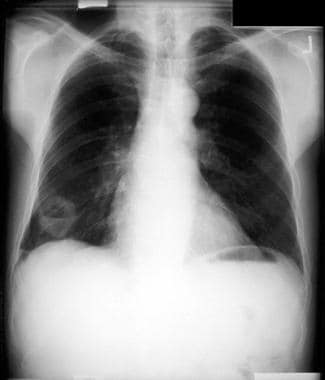
x-rays, it becomes too late for the patient. The only effective method for screening lung cancer in early stages is the low-dose helical lung CT where high-resolution images pick up early lung lesions,” she added. As per data gathered by the National Cancer Institute in the US, if one quits smoking at the age of 30, the risk of contracting
smoking-related illnesses is reduced by 90%. Similarly, quitting smoking at the age of 50 reduces the risk by 50%, doctors pointed out. “Two out of every three patients with lung cancer are over 65 years old. So, one gets enough time to take steps to
avoid this high-mortality disease.”

Friday, 23 November 2018

Challenges and opportunities for India’s healthcare sector


India has witnessed a major rise in communicable and non-communicable diseases in the last decade. The figures are likely to increase, and there is no devised plan to curb the problem. The challenges are mounting for the healthcare industry. At this point, there is a need to look at all the possible opportunities to improve the same.
Indians are meeting 62 per cent of their health expenses from personal savings, explain medical practitioners at AMRI Hospitals, one of the best hospitals in Kolkata, West Bengal.
For comparison, if we look at the UK, people are only paying for 10 per cent of their health expenses, while the US and China stand at 13.4 and 54 per cent respectively. This shows the inability of the existing policies to cater to the growing demand.
The private sector is dominating the healthcare delivery system across the country. The majority of population living below the poverty line, with an ability to spend Rs 47 per day in urban areas, and Rs 32 in rural areas, is only adding fuel to the fire. These sections of the society face several problems as they rely on under-financed and short-staffed public sector for healthcare needs.
Furthermore, healthcare professionals are concentrated in urban areas due to the higher paying power of the citizens, leaving the rural areas vulnerable. Although, there are adequate physicians in the country, 74 per cent of them cater to a third of the urban population. India is 81 per cent short of specialists at rural community health centers, which speaks volumes about the challenges faced by our healthcare sector.
There are many reasons behind these challenges,a major one beinga vast population, which is more than 1.3 billion, according to the latest Census. It is not easy to cater to such a huge population. On the other hand, the infrastructure in government hospitals is also poor, forcing patients to visit private hospitals and medical practitioners.
Apart from this, the government contribution towards insurance is not helping the cause. The contribution stands at 32 per cent, which is way below similar contribution in developed countries. Furthermore, the technology used in public hospitals is not updated, making the process lengthy and complicated, say medical practitioners at AMRI Hospitals, one of the leading hospitals in Kolkata, West Bengal.
The situation also presents an opportunity to the government to alter the course of the Indian healthcare. With better initiatives and healthcare schemes, there is still a possibility of changing the current state of the industry.

Tuesday, 20 November 2018

The Rising Incidence of Lung Cancer in Indian Men


Lung cancer is no more a smoker’s disease and has moved to the top of the category of life-threatening ailments among Indian males and in the coming years women may also have to face a higher risk of developing lung cancer, expressed doctors in the national capital.
“Of late, lung cancer has moved to number one position among cancers in males in India. But the coming years will see that happen among females as well,” “Overall the coming decade is going to be one of lung disorders in our country. Timely corrective action and suitable treatment facilities may help tame the ill effect of this disaster waiting to happen,” as the world observes lung cancer awareness month in November.
As doctors and healthcare staff all over the world prepare to create better understanding about lung cancer, their biggest concern is that the dreaded disease often goes undetected due to lack of awareness among afflicted patients. Symptoms like persistent cold, cough, accompanied by sputum or blood, and signs of breathlessness call for a visit to an experienced medical practitioner, they maintain. But these conditions are often attributed to changing weather, prompting home remedies or over-the-counter antibiotics.
This delays the visit to a doctor and thereby the chances of timely detection. A simple sputum test or an x-ray can diagnose the same, but even experienced general practitioners may mistake it for tuberculosis. “Nicotine in cigarettes is as addictive as heroin or cocaine. Out of the 4,000 chemicals in them, over 50 are highly carcinogenic. A carcinogen element is something that causes cancer. And we all know that cancer is a disease that often kills those who have it,”.
“While smoking is a known risk factor for lung cancer, pollution, passive smoking and hazardous work environment — like asbestos, mica, coal and bauxite mining — also affect your lung health,”.
According to Amri Hospital Best Cancer Hospital in Kolktata, lung cancer among non-smokers, younger adults especially women who have been initially treated for tuberculosis is very prevalent in India.  To eliminate all doubts, doctors prescribe a screening, low dose CT Scan or biopsy, also referred to as tissue diagnosis, done by taking a small part of lung tissue for a test. They explained that surgery is the best method to remove cancerous tissues that manifest in the form of nodules or lesions visible in X-Ray or a CT Scan. Regular post-surgery follow-up tests are also recommended for further treatments like radiation or immune therapy, if needed.
“Smoker’s cough is not to be taken lightly as it may be early signs of cancer. Cigarette smoke destroys the special tracheal hair designed to trap germs and other foreign particles that enter the airways when a person breathes. This prevents the trachea from throwing out phlegm, hence causing cough.”
Lungs are one of the most fragile organs of the human anatomy, playing a critical role in supplying oxygen to the blood. Smoking leaves carbon monoxide in the lungs for as long as eight hours after the last puff is inhaled, leaving that much less space for oxygen in the lungs.

Monday, 12 November 2018

9 lung cancer symptoms all women should keep on their radar

It’s easy to assume that if you’ve never smoked cigarettes, then you don’t have to worry about lung cancer.

Unfortunately, that’s not exactly true: Anywhere from 5 to 15 percent of all people who have been diagnosed with lung cancer are actually nonsmokers, an adjunct faculty member in the department of oncology at Johns Hopkins University School of Medicine.
Even more worrying: Lung cancer is also the leading cancer killer of women (and men, for that matter) in the U.S., killing more than breast, colon, and prostate cancer combined.
The point: Whether you smoke regularly or have never picked up a cigarette in your life, you need to be on the lookout for the following symptoms-many of them may not be related to cancer at all, but it’s always best to play it safe by discussing them with your doctor.

1. You’ve got a cough that just won’t go away.

If you’ve been hacking away for months and assuming everything’s fine, just get yourself checked out already. Your doctor will likely run tests-like chest x-rays or CT scans.
“Chest x-rays are usually the first line [of diagnosis], but they’re often not good enough,” says Taylor Ripley, M.D., associate professor of surgery and director of the mesothelioma treatment center at Baylor College of Medicine. “CT scans are more important for diagnosing lesions of the chest.”
Ripley also notes that CT scans are the best way to recognize early stages of the disease, including asymptomatic lung cancer, so trust your doc if he or she pushes for more thorough testing.

2. You keep getting bronchitis or other infections.

Recurring chest infections, like bronchitis or chronic pneumonia are a sign that a tumor or lesion could be blocking your airway.
With a blockage, airflow is limited and mucus secretions can get stuck, causing repeated infections. If you never seem to recover from chest infections or get pneumonia over and over again, talk to your doctor.

3. You’re losing weight without trying.

Unexplained weight loss is always a red flag-especially for cancer, says Ripley. The disease takes up a lot of the nutrients that your body should be absorbing, plus it secretes hormones that induce paraneoplastic syndrome, a cancer-related condition which can lead to symptoms like weight loss.
“If you’ve lost more than 5-10 percent of your body weight and are actively trying not to lose weight, that should be investigated,” he says. “You shouldn’t be losing weight without effort.”

4. Your bones feel oddly achy.

If lung cancer has spread to other organs in your body, you may feel an ache deep down in your bones or joints, says, a medical oncologist and director of thoracic oncology at MemorialCare Cancer Institute at Orange Coast Memorial Medical Center in Fountain Valley, California. The back and hips are common sore spots. (Though this may also be a sign of vitamin D deficiency.)

5. You’re experiencing swelling in your neck or face.

This symptom is specific to superior vena cava syndrome, a condition where a large lung tumor is blocking the circulation of blood from the head and the shoulders back to the heart, Ripley explains.
He adds that this is also a sign of locally advanced cancer and usually associated with small cell lung cancer (i.e. a type of cancer that appears almost exclusively in people with a history of heavy smoking).

6. You feel tired all the time.

It’s totally normal to be tired a lot (you know, life), so fatigue is a tricky symptom to characterize. Plus, Ripley says, there are so many medical a conditions that can cause it (everything from cancer to metabolic disorders to psychological illness).
Still, if your activity levels are low and you don’t know why, it’s important to see a doctor-especially if you’re also experiencing other possible symptoms of lung cancer, like a cough or chronic infections.

7. Your muscles feel weak.

Lung cancer affects your muscles as well as your organs. One of the first areas to be impacted: your hips. Weakness in the shoulders, arms, and legs is also typical.
Ripley says this symptom often goes hand-in-hand with overwhelming fatigue, and it can be hard for people to really distinguish between the two. Bottom line: if you’re consistently not feeling like yourself, get to your physician.

8. You’re drinking a lot-and peeing a lot.

Certain lung cancers make hormone-like substances that upset the balance of minerals in your body, which can cause excess calcium may be released into the bloodstream, per the ACS.
Some symptoms of high calcium levels include frequent urination, excessive thirst, constipation, nausea, belly pain, and dizziness. But most of the time, that you aren’t likely to know you have high calcium levels until after you suspect something is wrong-like if you see your doc for increased fatigue-and your doctor orders lab tests.

9. You’re coughing up blood.

So this is an incredibly alarming symptom that can absolutely be a sign of lung cancer-and you should never ignore seeing any kind of blood in your spit or whatever else you cough up.
Still, it doesn’t necessarily mean you have lung cancer: “People always freak out when this happens,” “but it can just be a sign of infection.” The most common causes are acute or chronic bronchitis, because the inflammation from repeated coughing can rupture blood vessels.
The takeaway here? Pay attention to whether this is a one-time occurrence or something persistent, and don’t wait until you’re coughing up “gobs” of blood to see your doctor.

Saturday, 10 November 2018

Screenings can help find lung cancer in its early stages


Many Missouri residents may be unaware that lung cancer is the leading cancer killer of men and women in the U.S., accounting for about one in four cancer deaths. It is estimated that in 2018 alone, 5,750 people in Missouri will be diagnosed with lung cancer.
One of the reasons that lung cancer is so deadly is that it is often diagnosed in advanced stages, after the disease has already spread. Alternatively, lung cancer can be cured if diagnosed in early stages, so screening for lung cancer in high-risk patients is of utmost importance.
As a pulmonologist, I have seen firsthand the impact that this terrible disease has on families and residents of Missouri. Two different patients come to my mind, both of the  same age group and heavy smokers. One had difficulty walking and was found to have brain lesions that turned out to be metastases from undiagnosed lung cancer. By the time he was diagnosed and started on treatment, the disease was too advanced, and his body was too weak to handle chemotherapy.
The other patient underwent the recommended lung cancer screening and was found to have a small lesion in his right lung. The lesion was biopsied and turned out to be early lung cancer. Surgical resection was performed, and no chemotherapy was needed. The patient is currently cancer-free and leading a successful life.

Wednesday, 7 November 2018

Lung cancer death rate for women may rise to 40% by 2030


In an alarming new research study, researchers have stated that lung cancer mortality rates among women could increase by 43% by 2030. The findings are according to an analysis of data from 52 countries. The global age-standardised breast cancer mortality rate is projected to decrease by 9% in the same time frame.
Globally, among women, the mortality rate for lung cancer is projected to increase from 11.2 in 2015 to 16.0 in 2030; the highest lung cancer mortality rates in 2030 are projected in Europe and Oceania, while the lowest lung cancer mortality rates in 2030 are projected in America and Asia. Only Oceania is predicted to see a decrease in lung cancer mortality, which is projected to fall from 17.8 in 2015 to 17.6 in 2030.
“Different timelines have been observed in the tobacco epidemic across the globe,” said study author Jose M Martinez-Sanchez. “This is because it was socially acceptable for women to smoke in the European and Oceanic countries included in our study many years before this habit was commonplace in America and Asia, which reflects why we are seeing higher lung cancer mortality rates in these countries.”
Globally, the mortality rate for breast cancer is projected to decrease from 16.1 in 2015 to 14.7 in 2030. The highest breast cancer mortality rate is predicted in Europe with a decreasing trend overall, while the lowest breast cancer mortality rate is predicted in Asia with an increasing trend overall. “Breast cancer is associated with many lifestyle factors,” Martínez-Sanchez explained.
“We are seeing an increase in breast cancer mortality in Asia because this culture is adapting a Westernised lifestyle, which often leads to obesity and increased alcohol intake, both of which can lead to breast cancer. On the other hand, we are witnessing a decrease in breast cancer mortality in Europe, which may be related to the awareness of breast cancer among this population, leading to active participation in screening programs and the improvement of treatments.”
Compared to middle-income countries, high-income countries have the highest projected age-standardised mortality rates for both lung and breast cancer in 2030. However, high-income countries are more likely to have decreasing breast cancer mortality rates. Furthermore, the first to witness lung cancer mortality rates surpass breast cancer mortality rates are mostly developed countries,
“This research is particularly important because it provides evidence for health professionals and policymakers to decide on global strategies to reduce the social, economic, and health impacts of lung cancer among women in the future. The findings appear in the journal Cancer Research.
Visit Amri Hospital Best Cancer Hospital in Kolkata

Tuesday, 6 November 2018

Awareness Month – The latest in lung cancer research


November is Lung Cancer Awareness Month. This month is about raising awareness and improving efforts on lung cancer. Lung cancer survivors, caregivers, and families of individuals with lung cancer are encouraged to share their stories to help raise awareness.
What is Lung Cancer?
Lung cancer is the leading cause of cancer deaths, accounting for 27% of all cancer deaths. Lungs are an important part of the respiratory system. They help us breathe by taking in oxygen when we inhale and releasing carbon dioxide when we exhale.
Lung cancer begins in the cells of the lungs as a cancerous (malignant) tumour that can grow and destroy nearby tissue.  Non-cancerous tumours may also develop in the lungs; these tumours are called hamartoma or papilloma tumours.
A cancerous tumour can spread cancer cells to other parts of the body. Metastatic lung cancer is when lung cancer originates from one place in the body and spreads to the lungs. Cancer that originates in the lungs is called primary lung cancer.
There are 2 types of primary lung cancer:
  1. Non-small Cell Lung Cancer (NSCLC): Begins in the glandular tissue on the outer part of the lungs
  2. Small Cell Lung Cancer (SCLC): Begins in the cells that line the bronchi in the centre of the lungs.

Smoking and Lung Cancer

Smoking is the number on risk factor for lung cancer. Tobacco products such as cigarettes, cigars, or pipes contain toxic chemicals that can damage the lungs. Over time, these poisonous chemicals can build up in the lungs, which can cause cancerous tumours to develop. Second-hand smoke is also a risk factor for lung cancer. Lung cancer does occur in individuals who have never smoked.
Learn more about the latest lung cancer research below:

1. Can following the Mediterranean diet reduce your risk of lung cancer?

An individual’s diet also plays a role in the development of lung cancer. The Mediterranean diet involves eating primarily plant-based foods such as vegetables, fruits, whole grains, legumes, and nuts. This diet also includes fish, olive oil and canola oil, herbs and spices, and a moderate amount of red wine. A study published in the British Journal of Nutrition investigated the association between a Mediterranean diet and the risk of lung cancer. Find out if a Mediterranean diet can reduce your risk of lung cancer here.
Mediterranean diet

2. Clinical trial finds that pembrolizumab with chemotherapy improves lung cancer survival

Non-small-cell lung cancer is the most common type of lung cancer. This type of lung cancer accounts for 85% of all lung cancers and it mainly occurs in current or former smokers. A study in The New England Journal of Medicine evaluated the use of pemprolizumab during chemotherapy for lung cancer. Pemprolizumab is (a humanized antibody used in cancer immunotherapy). Read more to find out the efficacy and safety of using pemprolizumab with chemotherapy here.
 3. Does body mass index predict your risk of developing lung cancer?
Body mass index (BMI) is the measure of body fat based on the weight and height of an individual. A high BMI is a measure of as obesity, and obesity is a risk factor for many types of cancer, including breast cancer. A study published in BMC Cancer determined the association between BMI and lung cancer. Read more to find out if obesity is a risk factor for lung cancer here.

Monday, 5 November 2018

Diwali 2018: 10 safety precautions you should take while bursting firecrackers


New Delhi: Diwali, the festival of lights, brings with it a spirit of happiness and prosperity. It is the time when friends and families throw a bash and celebrate the victory of light over darkness, good over evil and knowledge over ignorance. During the festival, people light fireworks and partake in family feasts, where mithai (sweets) and gifts are shared. Unfortunately, this joyous celebration can become a tragic memory for some people, mainly due to lack of supervision and vigilance. Amid increasing levels of air pollution in Delhi-NCR, the Supreme Court of India on October 23, 2018, allowed the use of only ‘green firecrackers’ with reduced emission and decibel levels during all religious festivals.
While bursting firecrackers is a part and parcel of the celebration, many receive burn injuries during Diwali due to carelessness or use of firecrackers in an unintended way – although there were occasional reports about firecrackers behaving erratically. Besides children, women are said to be most prone to burn injuries because they are involved in elaborate cooking and other household chores during festivities, including lighting diyas. In addition, crackers worsen air pollution levels, increasing the risk of respiratory problems and skin allergies among other health risks.
Air pollution causes a wide array of health problems, including asthma, lung disease, cardiovascular diseases, etc. Increase in air pollution levels can result in a number of symptoms such as eye burns, running nose, skin allergy and rashes. Here are a few tips to help you enjoy a healthy and allergy-free Diwali.
  • People with pre-existing conditions, such as asthma, and breathing problems must stay indoors and limit their exposure to smoke as far as possible. They should also take medications as directed by their physicians prior to prolonged exposure to fumes and smoke. It is advisable to seek immediate medical help in case of extreme breathlessness.
  • If you’re playing with crackers (green crackers), make sure that you wear loose, full sleeve, cotton clothes to avoid catching fire while lighting firecrackers. Avoid nylon or synthetic fabrics as they can easily catch fire and worsen burn injury.
  • Wear protective eye gear to help prevent entry of particles into the eye and irritation by fumes.
  • Avoid keeping your face close to the cracker while trying to light it. Keep a safe distance from firecrackers.
  • Don’t burn crackers in crowded, congested places or near sources of fire or inside the house.
  • After playing with crackers, wash your hands and feet thoroughly with water and soap as they contain materials that may be toxic to your health and skin.
  • Wash your face properly. Pat dry and apply moisturiser on your hands and legs to hydrate the skin and avoid dryness.
  • Drink plenty of water to clear up your skin and stay hydrated, giving you a healthy glow.
  • Avoid or limit intake of fried foods that promote breakouts and make your skin look dull.
  • Avoid chilled drinks that can aggravate wheezing.
While keeping these tips in mind, we encourage you to celebrate a cracker-free and smoke-free Diwali for a healthier and happier life.

Friday, 2 November 2018

Higher risk of lung cancer with females revealed


Lung cancer rates with females is generally higher than with males, across most societies. New research has found the hormone estrogen to be a significant factor in explaining this difference.
This type of research is of pressing social importance given that studies are showing that rates of lung cancer are rising with younger women in the many countries, including the U.S. See, for example, a study published by Gourd in The Lancet: “Lung cancer incidence higher in US women than men.”
Lung cancer is the deadliest cancer in the world with 1.69 million deaths in 2015 alone, according to the World Health Organization. However, incidence in men have been falling yet the lung cancer epidemic in women have shown an increase.
New research, from the University of Florida, has attempted to explain the variance between men and women and for the increase in lung cancer rates among women.
According to lead researcher, speaking with the website Cure: “In a number of studies, there have been indications that, at the same levels of smoking, women may be more susceptible to lung cancer than men.”
He adds: “Also, in patients with lung cancer who never smoked in their lifetime, the proportion of women is higher than men. We, therefore, hypothesized that steroid hormones, which differ between women and men, can be a factor influencing the etiology of lung cancer.”
The new research looked at the connection between smoking, gender and the expression of different hormone receptors. For this the researchers took tumor samples from 813 patients (composed of 450 women and 363 men). The laboratory analysis showed that the expression of estrogen receptor beta (ER-beta), a hormone receptor that inhibits tumor growth, was lower in women than in men. The scientists additionally found that levels of this hormone in postmenopausal women and those who had never used hormone therapy.
These discoveries indicate that circulating levels of the hormone estrogen, which is falls during the menopause and which is elevated due to hormone therapy could modifying ER-beta levels. Furthermore, hormone receptors could be affected by cigarette smoking. This is because there are higher levels of the estrogen receptor alpha, which can promote tumor growth, in smokers compared with non-smokers.
While there is an association with the hormone and a connection with women, and then for women who are older, the researchers state that the overriding message is not to smoke.
Visit Amri Hospital Best Cancer Hospital in Kolkata

Thursday, 1 November 2018

What are the signs of lung cancer in women?


Lung cancer is often only linked to smoking or exposure to certain chemicals, without gender or ethnicity being considered.
Recent research, however, has found some key differences between men and women when it comes to cancers, and to lung cancer in particular.
According to the American Cancer Society, lung cancer is the second most common type of cancer in both men and women, with more than 200,000 Americans predicted to be diagnosed in 2017 alone.
Despite far fewer women smoking cigarettes than men, they still account for nearly half of all new cases. And even though cancer deaths in men have been declining since 1990, lung cancer deaths among women continue to rise.
In this article, we look at lung cancer specifically in women, including the signs and symptoms of the disease.

Risk factors

The risk factors for developing lung cancer are similar in both men and women and include:
  • family history
  • prior medical history of lung cancer or disease
  • exposure to asbestos, smoke, or radon
  • poor diet
  • cigarette smoking
  • exposure to secondhand smoke
    Smoking or exposure to secondhand smoke remains by and large the biggest and most significant risk factor associated with lung cancer.However, among nonsmokers, women may be at a higher risk than men. A study published in Seminars of Thoracic and Cardiovascular Surgery found that: “In the U.S. and Europe, approximately 20 percent of women with lung cancer have never smoked versus 2-6 percent of nonsmoking men.”
    The authors suggested that this difference signaled that there were further differences in the risks and progression of lung cancer in women compared with men.

    Symptoms

    Men and women also experience very similar symptoms of lung cancer, which can include the following:
    • persistent and worsening cough
    • ongoing chest pain
    • coughing up blood
    • shortness of breath
    • wheezing
    • hoarseness of the voice
    • difficulty swallowing
    • loss of appetite
    • weight loss
    • fatigue
    • recurrent lung infections, such as pneumonia or bronchitis
    Anyone experiencing these symptoms is encouraged to see their doctor to discuss their concerns.
    SOURCE – MedicalNewsToday