Showing posts with label Urology & Nephrology. Show all posts

Saturday, 22 June 2019

Urology Diseases & Conditions

What is Urology

Urology is the field of medicine that focuses on the urinary tract and the male genital organs.

The urinary tract consists of the:


  • kidneys
  • bladdert
  • ureters
  • urethra


The organs covered by urology include the:


  • kidneys
  • ureters
  • urinary bladder
  • urethra
  • male reproductive organs (testes, epididymis, vas deferens, seminal vesicles, prostate and penis)


Urology is a surgical speciality and can trace its origin to medieval lithologists, who specialized in surgical removal of bladder stones. Today, urology combines management of medical (i.e. non-surgical) problems such as urinary infections and surgical problems such as the correction of congenital abnormalities and the surgical management of cancers.

At AMRI Hospitals understand that urological disorders can be inconvenient and embarrassing at the same time for most patients. Main objective is to make patients aware about various disorders and help them manage the same. Managing these disorders early will ensure that the patients can be treated without surgery or in a minimally invasive way.

Saturday, 18 May 2019

AMRI Hospitals Serving Glucose Water & First-Aid Services to the Restoration Workforce at Bhubaneswar

As Cyclone Fani ravaged through Odisha, hospitals couldn’t escape the warth of nature. AMRI Hospitals, Best Hospitals in Bhubaneswar also severely affected by the Cyclone Fani, but the restored with the help and co-operation of our highly professional workforce and serving people like before.
60441839_1007316586323690_119017804379717632_o
AMRI Hospitals continued its effort to stand by the people & Community always. Today the employees of AMRI Hospitals distributed Glucose water and First-aid services to the people involved the restoration work after Cyclone FANI in Bhubaneswar. The employees roaming in the town and serving Glucose water and first-aid services whenever required. The Hospital aims to continue this service till 15th May’2019.

Monday, 13 May 2019

AMRI IVF Center: Bringing the joy of Parenthood to over 10,000 Couples


No amount of worldly pleasures can beat the happiness of holding your own baby in the arms, and experiencing the ultimate feeling of motherhood. However, with the recent shift in the pattern of parenthood, more and more parents are looking for medical options and assisted reproductive techniques to help them experience parenthood. AMRI IVF center caters to childless parents and provides them with effectual fertility treatments using advanced reproductive technologies.
IVF or In-Vitro Fertilization, is a well-known assisted technique of reproduction. AMRI IVF Centre at Southern Avenue, Kolkata is the very first IVF service provider in Eastern India having an advanced cyrobank (storing eggs, sperms for later use). The hospital has, since then, delivered happiness in the form of healthy babies to hundreds of its patients who were either childless parents, or people dealing with fertility problems. The center holds an impressive roster of consultant doctors, who perform every screening and treatment services with utmost precision, and dedication.  Its expert professionals support parents in bringing their child into the world and assist them throughout the duration of the treatment.
With its high-tech Infertility (IVF) services, AMRI hospitals Southern Avenue aim at treating a number of fertility related issues, and lend means of delivering healthy children, devoid of genetic anomalies or chromosomal disorders. Our medical services provide the best possibility of success. The IVF medical facility treatments are open for people not just in Kolkata but across Indian, and international borders.
Key highlights of AMRI IVF CENTRE:
  • Success rate of over 50% – 60% in self cases & 80%-90% in third party cases
  • Over 10000 babies conceived under one roof
  • Dedicated team of fertility super-specialist, embryologists, andrologists, endocrinologists, counsellors and dietician
  • 100% Non-Disclosure Agreement – Client Confidentiality
  • Advanced Lab following ICMR guidelines
The treatments are available at affordable rates, and to every person irrespective of the gender, cultural, and regional differences. The services are supported by leading technologies in the field of reproductive sciences, and best-in-class medical staff.
The fertility and IVF center is known for its uncompromising health-care services. We are committed to deliver quality services in a controlled, confidential and nurturing environment. For couples who want to conceive their own child, get sterile treatments or have their eggs frozen, the fertility center at AMRI Hospitals helps them in every treatment option they wish to proceed with.

Saturday, 11 May 2019

AMRI Hospitals introduces NRI Privilege Health Card for Indians living outside the country


AMRI Hospitals, premier private healthcare provider in Eastern India, has introduced NRI Privilege Health Card for Indians living in different parts of the world. The health card offers special benefits to the Indians residing in the US, UK, UAE, and many other countries, along with their parents living back home in India.
The NRI Privilege Health Card will cater to all the healthcare needs of the NRIs, considering their sizeable population across the globe. Launched during the North America Bengali Conference (NABC) in May 2018 at Atlantic City in the US, AMRI’s NRI Privilege Health Card has garnered great response from many people, especially the ones residing in the US.
NRIs can avail the benefits of health card by registering with $100, which will be valid for 1 year. The health card not only offers special benefits to the primary member, but to his/her family members as well. Apart from special rates for packages and priority booking for appointments with top Consultants, the AMRI Hospitals NRI Privilege Health Card offers several other attractive features and benefits.
These benefits include:
• Free ambulance service within city limits from the hospital
• One annual Full Body Health check-up (up to 4 individuals) at 25% discount
• 15% discount on bed charges (single room and above)
• 20% discount on OPD Investigations
• Free Medicine delivery service within city limits from hospital & above the purchase of INR 1,000
• 10% discount on all Dental procedures & Eye investigations
AMRI Hospitals, top multi-specialty health Centre in Kolkata, is committed to offer best services to its patients across the globe with extensive benefits offered through NRI Privilege Health Card. All the units of the hospital are working for the complete satisfaction of patients, providing best healthcare services in a cost-effective manner.
For any enquiry regarding NRI Health Card, click here.

Friday, 10 May 2019

Important events, significant achievements and robust healthcare initiatives of AMRI Hospitals, Bhubaneswar in March 2019


Setting new standards and achieving new milestones every year, AMRI Hospitals, Bhubaneswar has established itself as the leading healthcare provider in Eastern India. It has always been steadfast in its commitment to offer comprehensive tertiary medical care in the region.
Maintaining its record in terms of proper healthcare initiatives, AMRI Hospitals Bhubaneswar, came up with a number of medical campaigns in March 2019. The month started with the hospital receiving the prestigious NABH certification for quality services in its Emergency department.
AMRI Hospitals, Bhubaneswar, has always been uncompromising when it comes to the well-being of its patients. Standing by its unwavering commitment towards better women health and medical care, the hospital introduced an exclusive health check-up package starting at Rs 2,000 on 7th March. In a bid to create opportunities for women and empower them, the hospital organised an entrepreneur fair, in association with its health partner SHE, at Bhubaneswar’s Esplanade One Mall, from 8-10th March.
International Women’s Day was celebrated with a lot of enthusiasm by the hospital. It organised a health awareness talk by leading dietician, Ms Swati Mahapatra at Bharti Airtel, addressing the women staff on the eve of International Women’s Day. The hospital also hosted an interactive event for its team of committed and credible women employees at SBI, focusing on better healthcare measures.
Celebrating the spirit of womanhood, AMRI Hospitals hosted an informative session, led by dietician, Ms Reshma Paul at Primetals Technologies on 8th March. In an event that took place at IOCL Paradeep refinery, Dr G.S.S. Mohapatra, O&G Specialist, spoke about better healthcare and opportunities for women.
The hospital also organised a BLS Training Programme at NTPC on 8th March. Further rejoicing the true spirit of womanhood, AMRI Hospitals, Bhubaneswar, celebrated Women’s Day at Cosmopolis Ladies Club Members on 8th March.
In the News World Odisha Healthline programme organised on 11th March, expert Nephrologist, Dr Sukanto Kishore from AMRI Hospitals, Bhubhneswar talked about kidney diseases, precautionary measures, and healthcare. It was followed by a health awareness talk organised by AMRI Hospitals, Bhubaneswar, at Mindtree on 12th March.
Proving its mettle yet again, AMRI Hospitals performed a successful kidney transplant surgery on its NRI patient, Gopal Prasad, who consecutively followed a speedy recovery post-surgery. In its attempt to congregate better health-care for senior citizens, the hospital introduced a mega health check-up camp in association with Inner Wheel Club, Bhubaneswar, in Janpath on 13th March. The hospital also organized a program, which included health check-up facilities for its ambulance drivers on the same day.
On World Kidney Day, AMRI Hospitals, Bhubaneswar, Nephrologist, Dr Sukanta Das featured on Sambad Odia news daily, Nitidina Odia news daily and The Political Business Daily, talking about kidney ailments and healthcare. Creating awareness around heart care, and importance of heart health, AMRI Hospitals organized a healthy heart walkathon in Sambalpur on 15th March.
On 18th March, a ‘Mommies Day Out’ programme was organised at AMRI Hospitals, Bhubaneswar, including health talks by well-known doctors, dieticians and physiotherapists. In its attempt to promote better health-care, a free health screening camp was also setup by AMRI Hospitals at TCS on 19th March. A similar healthcare camp was set up at BPCL Depot, Balasore, on 22nd March.
AMRI Hospitals Bhubaneswar, conducted a BMD camp at the ECOR Khurdha Ladies Club, on 28th March. The event was a great success with more than 50 participants. With the aim of creating healthcare awareness, medical experts from AMRI Hospitals, Bhubaneswar, gave Basic Life support (BSL) training at Jindal Steel & Power LTD, Angul, on 28th March. Ending the month on the same note, AMRI Hospitals’ medical experts organised an informative health talk on correct body postures at work, at Jindal Stainless LTD, Jaipur, on 30th march.
Certainly, with such initiatives every month, AMRI Hospitals, Bhubaneswar, continues to widen the horizons of Eastern India’s healthcare segment.

Monday, 25 March 2019

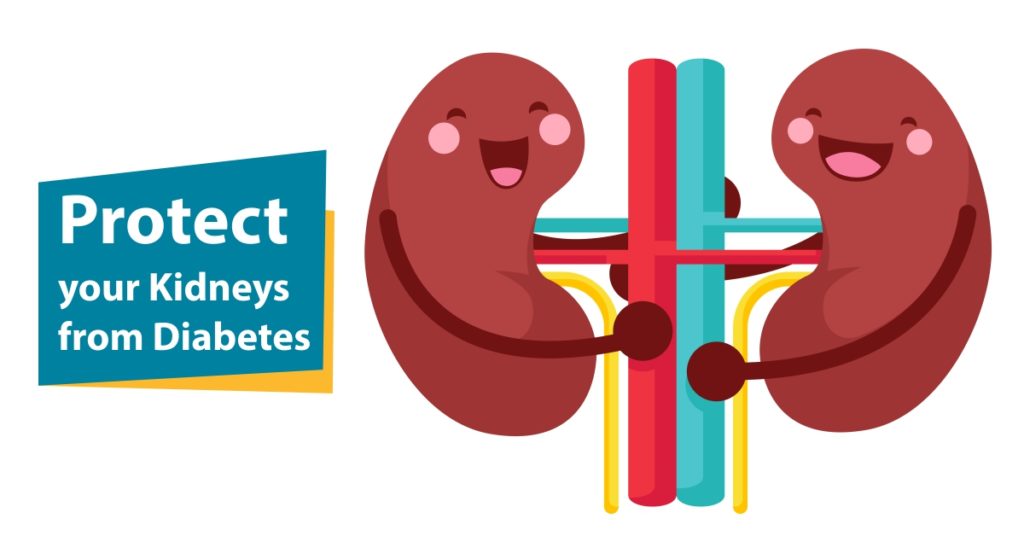
Healthy Tips to Save Your Kidneys from Diabetes


If you are suffering from diabetes you should know that you need to take special care of your kidneys. High blood sugar levels can affect every organ of your body and your kidneys have to face the maximum wrath. As they are the organs responsible for removing toxins from the body, when there is high sugar in the blood, the sugar erodes the capillaries of the kidneys. Over a period of time the capillaries become defunct and the kidneys dysfunctional. This is why people who suffer from diabetes are at an increased risk of suffering from kidney disease.
Here are some tips to prevent kidney disease in diabetics:-
1. Avoid foods that are high in sodium, potassium, and phosphorus as they put a load on your overworked kidneys.
2. Protein-rich foods such as meat and dairy products break down into wastes that healthy kidneys remove from the blood. When one takes too much protein, i.e., far more than what the body needs, one may put an extra burden on the kidneys and cause kidney function to decline faster. If you are also a diabetic, make sure that you keep a tab on your protein intake.
3. Those with high blood pressure should limit their daily sodium intake to no more than 1,500 mg. choosing sodium-free or low-sodium food products will help. Alternative seasonings such as lemon juice, salt-free seasoning mixes and hot pepper sauce can help people reduce their salt intake.
4. Frequent monitoring of serum, potassium levels is essential. Too low or too high potassium levels can be a problem. Potassium keeps the heart beating regularly and the muscles working properly. When kidneys are damaged, potassium builds up in the blood and may cause serious heart problems.
5. People with advanced chronic kidney disease may need to limit their fluid (water) intake because damaged kidneys can’t remove the extra fluid. The fluid can thus build up in the body and strain the heart. Hence the amount of fluid permitted by your doctor must be adhered to prevent diabetic kidney disease, says experts of AMRI Hospitals, the Best Hospital in Eastern India.
There are other lifestyle changes that can help to keep the kidneys healthy:
1. Physical activity: As it helps to use the insulin in our body and keep blood sugar levels in check
2. Maintaining an ideal body weight: Weight reduction has a positive impact on blood glucose levels which helps the kidneys and other organs to stay healthy.
3. Quitting smoking and using tobacco in any form: Cutting down on these vices can prevent all complications of diabetes. Smoking increases the risk for many associated illnesses, and can also increase the risk for kidney failure.

Sunday, 24 March 2019

How to Prevent Kidney Stones: 5 Tips for Kidney Health


1. Stay Hyderated at all Times
This is the most effective preventive measure at your disposal.
Dehydration causes kidney stones because it alters the composition of your urine. If you don’t drink enough liquids, the density of your urine grows. This makes it likelier for minerals to clump together and form kidney stones.
How much water do you need to consume to avoid this?
People who are at a very high risk are advised to drink up to 12 glasses a day. While other fluids are useful too, you should make sure that at least half of your fluid intake is pure water.
2. Salt Vs. Calcium – Be Careful What you eat
In many cases, kidney stones form because there is too much calcium in the affected person’s urine. Hence, many people assume that it’s not safe to eat calcium-rich foods when you know you’re at risk of this condition.
But the truth is that calcium is good for the body, and eating high-calcium foods doesn’t make you likelier to suffer from kidney stones. In fact, having low calcium levels actually makes you likelier to develop this condition.
The only way that calcium can be dangerous for your kidneys is if you overuse calcium supplements. The amount of calcium you get out of a healthy diet can’t cause any difficulties. Eating dairy products, salmon, and leafy greens is a good choice for at-risk people.
The real risk factor you should worry about is salt (sodium). Consuming salty food easily leads to dehydration, and it also has a negative impact on your calcium levels. Sodium makes it more difficult for your body to absorb calcium, which leads to a pile-up in the kidneys, consult doctors at AMRI Hospitlas, Best hospital in Kolkata
3. Use Saunas, But Don’t Overdo it
Sweating has a great number of health benefits. It detoxifies your body, clears the skin, and provides you with an endorphin boost. You can also prevent colds by using saunas or working out to the point of sweating.
Doctors say that sweating is also a good way to prevent kidney stones. It lowers the amount of salt accumulating in your system and doesn’t have a negative impact on your calcium levels.
Too much sweating can endanger your kidney health because it can lead to dehydration. So if you decide on doing intense workouts, make sure there’s enough water at hand at all times.
4. Keep your weight under control
Obese people, especially women, are at a high risk of developing kidney stones.
The main reason for this connection is uric acid. Too much uric acid leads to crystals forming in the kidneys. This is a problem that’s frequently present in people whose body weight is over 100 kg (about 220 lbs). Additionally, weight can also impact the absorption rate of calcium in the body, say experts of AMRI Hospitals, the best hospital in Eastern India.
Losing weight is a crucial preventive measure. Additionally, maintaining a healthy diet and exercise regimen decreases your chances of developing diabetes. Having type 2 diabetes is another risk factor, as it increases your urine acid levels.
5. Eat Oxalate-Rich Foods in Moderation
Oxalate is a natural compound with a strong binding ability. Most kidney stones consist of calcium oxalate. Decreasing your oxalate intake is a simple and easy way to avoid this health issue.
This means that it’s best to avoid coffee, chocolate, spinach, beets, rhubarb, peanuts, and other oxalate-rich foods. However, it’s not necessary to remove them from your diet entirely. If you normally eat well-balanced meals, your oxalate levels are unlikely to get too high.
Conclusion
If you have a family history of kidney stones, it’s important to be vigilant and find out how to prevent kidney stones. The same is true for overweight people, people with digestive issues, and so on. But this information is important even if you don’t belong to an at-risk group.
The main takeaway is that dehydration and a bad diet can increase your likelihood of developing this condition. Some easy adjustments in your everyday routine could thus help you avoid a host of problems.

Wednesday, 20 March 2019

4 tips to care of kidney | AMRI Hospitals


Every day, 120 to 150 quarts of blood are strained through our two fist-sized kidneys. During this process, these little organs produce 1 to 2 quarts of urine to rid the body of waste and excess fluid.
And our kidneys do a lot more than that. They produce enzymes that help normalize blood pressure. They make a hormone that tells the body to make red blood cells — the blood’s oxygen carriers. And they activate a form of vitamin D that works with calcium to maintain the strength of our bones.
All the more reason to keep these valuable organs in good working order.
Here are some good strategies:
  • If you have diabetes, keep your blood sugars under control. Excess sugar in the blood puts extra pressure on the kidney’s filtering mechanism. When the kidneys are injured, then can’t clean blood properly, causing a build-up of water and toxic waste.
  • Maintain a normal blood pressure. According to the National Institute of Diabetes and Digestive and Kidney Diseases, the kidney’s filtering units can be damaged when the force of blood surging through the kidneys is high. One well-studied diet strategy to lower blood pressure is the DASH diet, which stands for Dietary Approaches to Stop Hypertension.
  • The DASH eating plan has been confirmed to lower blood pressure, and not just by cutting back on salt. It features vegetables, fruits, whole grains, low fat dairy foods, fish, poultry, beans, nuts and vegetable oils. DASH is rich in potassium, magnesium and calcium, nutrients known to help lower blood pressure and low in high fat meats and sweets.
  • Stay hydrated. Water delivers valuable nutrients to our kidneys and helps them remove wastes from our blood. Adequate fluids can also help prevent kidney stones and urinary tract infections, says experts of AMRI Hospitals.
  • How do you know if your kidneys are working as they should? Protein in the urine is one of the first signs of kidney disease. Well-functioning kidneys don’t allow this valuable nutrient to escape. A simple test called the Albumin Creatinine Ratio uses a small amount of urine to tell your doctor if your kidneys are preserving a protein called albumin or allowing it to pass into the urine.
  • Another useful test called the GFR (Glomerular Filtration Rate) estimates how well your kidneys are working to clean wastes from your blood. It requires a sample of blood and a calculation based on your race, age and gender. A GFR of 90 or better indicates your kidneys are in good working order. Less than 60 is a sign of kidney disease.
Visit AMRI Hospitals, Best Hospital in Kolkata

Wednesday, 13 March 2019

Living Positively with Kidney Failure – the Challenges and the Solutions


The world kidney day (WKD) this year is on 14th March, and the theme for this year is Kidney Health for Everyone Everywhere. It is worthwhile to understand the global burden of this disease.Nearly 850 million people worldwide are now estimated to have kidney diseases from various causes. Chronic kidney diseases (CKD) causes at least 2.4 million deaths per year and are now the 6th fastest growing cause of death.The social ,psychological and emotional effects of chronic kidney diseases (CKD)remain significant because of the challenges they pose on patients and their families.Here we briefly discuss the various areas associated with kidney failure and the best ways to cope with these.
What treatments are available for chronic kidney disease (CKD)?
In early stages from stage 1 to stage 4 patients are managed with diet and medication. For  end stage kidney disease (CKD stage 5) , three main types of treatment are available for patients with kidney failure. They are haemodialysis, peritoneal dialysis and kidney transplantation.Kidney Transplants can come from living donors, who are usually family members, spouses or friends of the patient.Transplants can also come from people who died recently (deceased donor).
How to choose one form of treatment over another?
The patient and family should explore each choice carefully with their doctor, transplant surgeon and other health care team members at AMRI Hospitals . A treatment choice is not always final. For example, a patient who has decided that haemodialysis is the best choice may, at a later time, still consider peritoneal dialysis or a kidney transplant after talking to the doctor and other members of the health care team. Haemodialysis may be done at a dialysis centre or at home, and treatments usually take place two to three times a week.Peritoneal  Dialysis may be done at home, in office , in school or wherever a clean, private space is available for bag exchanges.
What are the common worries and fears at the  beginning of treatment?
Having concerns about your well being, whether the treatment is painful,what the society will think of you, how close to normal you can feel and how long you can live with the disease is normal and expected.Visiting the facility before you begin treatment can help make the dialysis machine and the treatment less frightening.Speaking to the doctor, staff, other patients and families who have been through the same experience can be very helpful.
How can a patient be guided to take responsible decisions ?
Every patient should take part in decisions about type of treatment.The staff at the dialysis center may be able to help by suggesting transportation sources for ambulatory patients and patients requiring wheel-chair transportation.They should  arrive on time for scheduled dialysis treatments.Learning that dialysis or a transplant will be needed can be very stressful at first, but normal activities can be resumed slowly with understanding the disease process and associated responsibilities
When and how can dialysis patients return to their work ?
Absolutely they should return to their work once medically stable,and after discussing with the doctor. When patients and their families return to a more normal routine,they feel much more satisfied with their lives. There may be need of some modifications at work as some activities may no longer be tolerated and others may need to be changed to another time. One should keep in mind their haemodialysis and PD timings to sync with their work timings. A kidney transplant patient can go back to his professional life after a brief period of rest in the post-operative period.
Can dialysis  and transplant patients exercise?
With regular dialysis and use of erythropoietin patient’s well being ,most patients can start mild to moderate levels of exercise like brisk walking,light forms of aerobic exercises with the consultation of their of doctor . Successful kidney transplants often increase patients’ exercise tolerance to normal levels.Before beginning an exercise program, it is important to consult your doctor and remember the difference between “doing” and”overdoing.” Exercising with a family member provides increased safety and companionship.
Can they have a normal sexual activity ?As with other chronic illnesses, the desire for sexual activity may change with the onset of kidney failure. Impotence, the inability for a man to have or maintain an erection, is common in kidney failure. This may be due to medical causes or emotional reasons, such as depression, Couples who find that their sex lives are changing as a result of one partner’s kidney failure should talk about the problem with the doctor or social worker because many of these problems can be treated.While some men and women with kidney failure continue to have sexual problems,many transplant recipients become more active sexually and have fewer sexual problems as their new kidney continues to function.
Can a woman who is on dialysis have a baby?Women with kidney failure, whether or not they have begun dialysis, are usually advised against becoming pregnant. The rate of complications and the risk to both then developing baby and the mother are high. It is important to consult a doctor for further information and advice and to consider birth control.
Can a woman who has a transplant have a baby?
Yes. A woman who has had a kidney transplant usually has more regular periods and
better general health. Therefore, it is easier for her to get pregnant and have a child.
However, pregnancy is not recommended for at least one year after the transplant, even
with stable kidney function. In some cases, pregnancy is not recommended because of
risk to the mother’s life or possible loss of the transplant.
What can patients and their families do about feelings of depression and anxiety?These feelings are very common causing in difficulty adapting to kidney failure if one holds the sadness and anxiety inside. Other patients can be a good source of support and inspiration.With the stress of kidney disease, it is important to maintain a sense of warmth and closeness with family and friends.However, it is important not to make your family members feel guilty about your illness or to take out your anger about your illness on them.Patients may feel they are a burden to their family. Sharing your thoughts and feelings freely in an honest, respectful manner can help you and your family.
How can patients and their families deal with the stress of chronic kidney disease?
It is important to realize that kidney failure does not happen just to individuals – it happens to families. Family members may feel helpless because they cannot do anything about the illness. Kidney failure requires changes in lifestyle.Routine tasks and activities that require physical strength may be difficult to perform. Family members or friends may have to take on added responsibilities.The following steps can help to lessen the stress:Talk to the staff at the dialysis unit or transplant clinic.Write down questions ahead of time and inform family members about changes in treatment.Keep involved in the pleasures, activities and responsibilities of daily living.Share your feelings with family or close friends.Share your feelings with other patients.Seek help from the social worker at the dialysis unit or transplant clinic or fro man outside counselor , if family or personal problems need further attention.Find time to enjoy the outdoors.Be patient and set realistic goals in adjusting to all lifestyle changes
Dr Sukant Kishore Das, DM
Senior Consultant Nephrologist and Kidney transplant physician

Tuesday, 12 March 2019

Kidney Diseases – A Few Misconceptions & Facts


The world kidney day (WKD) this year is on 14th March 2019, and the theme for this year is Kidney Health for Everyone Everywhere.The global burden of kidney related problems is very huge and nearly 850 million people world wide are now estimated to have kidney diseases from various causes. There are so many misconceptions related to kidney problems amongst the ordinary people. Therefore we will take this occasion to uncover a few misconceptions related to kidney disease and clarify with factual information for the ordinary people.
Dialysis once performed, will always be required subsequently.
Actually it depends on the underlying cause of kidney failure. Acute kidney failure is of short duration and and mostly a  reversible type of kidney failure.Most of the patients of acute kidney failure  who need dialysis for a short period rarely require dialysis in the long run. Their kidney functions returns to normal after treatment of the cause behind the acute kidney failure. Delay in dialysis because of fear of permanent dialysis can be life threatening in such cases.Only Chronic kidney disease causes a progressive and irreversible type of kidney failure and in chronic kidney disease stage 5 (End Stage Kidney Disease) lifelong dialysis support is required.
Dialysis can cure kidney failure.
No, dialysis does not cure kidney failure. Dialysis is an appropriate
and life saving treatment in kidney failure. It carries out the function that kidney is no longer capable of doing, such as  removal of waste toxic products, excess water and corrects electrolytes as well as acid base disturbances. Dialysis keeps patient asymptomatic, fit and  healthy in spite of severe kidney failure.
Once a kidney disease occurs it cannot be cured .
Actually all kidney diseases are not incurable.Many kidney diseases can be cured with early diagnosis and treatment. Treatment started early often slows or halts the progression of kidney diseases.
 Kidney failure can occur even if one kidney fails.
Fortunately people do not have any problem if one kidney fails completely, and in such cases, value of blood urea and serum creatinine in blood tests are usually normal.But when both kidneys fail, toxic  products accumulate in the body and the raised level of blood urea and serum creatinine in blood test suggests kidney failure. Actually kidney failure occurs only when both kidneys fail.
Presence of oedema (swelling of body) suggests kidney failure.
No, oedema can occur due to many diseases, such as heart ,liver ,thyroid and kidney diseases etc.Sometimes in certain kidney diseases oedema is present, but kidney function is totally normal (e.g. nephrotic syndrome).
If there is no oedema (swelling of body, there is no kidney failure.
Oedema may be present in majority of patients with kidney failure, but not in allA few patients do not have oedema even in advance stage of kidney failure. So the absence of oedema does not rule out kidney failure.
All patients with kidney failure have a reduced amount of urination.
Some times in early stages of kidney failure the urine output quantity may be still normal, but the serum creatinine may be higher than normal values. Only in advanced stages of kidney failure,urination decreases.
Drinking  a large amount of water prevents against kidney failure ?
Actually requirement of water varies from person to person ,and people should drink water according to their thirst and according to seasonal requirements and avoid excessive dehydration . Only patients suffering from stone disease and urinary tract infection with normal renal function are advised to drink a large amount of water. Those with reduced urine output due kidney failure are advised for water restriction.
Since there are no symptoms there is no kidney problem underlying?
Unfortunately in early stages, only clue to detecting underlying problem is getting urea and creatinine tests in blood, as most patients otherwise may have no clear symptoms.
Kidneys are normal if serum creatinine level is slightly above normal?
In early stages, chronic kidney disease is usually asymptomatic, and increased value of serum creatinine may be the only clue of underlying kidney disease. Serum creatinine level of 2 mg/dl means over 50% of kidney function is already lost, which is significant.Treatment under the care of a nephrologist at this stage of chronic kidney disease helps to preserve kidney function for a very long time.When serum creatinine level is 4.0 mg/dl, it means 45% of kidney function is lost. This value suggests seriously impaired kidney function.Proper treatment at this stage is beneficial to delay disease progression .When serum creatinine level is 8 mg/dl, it means nearly 85% of kidney function is lost and this value suggests end stage kidney disease. Most of the patients need dialysis or transplant at this stage.
A woman can not get pregnant and give childbirth after having transplantation?
A woman who has had a kidney transplant usually has more regular periods and better general health. Therefore, it is easier for her to get pregnant and have a child. However, pregnancy is not recommended for at least one year after the transplant, even with stable kidney function. In some cases, pregnancy is not recommended because of risk to the mother’s life or possible loss of the transplant.
Women after kidney donation can not give child birth and men lose their sexual function?
Kidney donation is very safe and there is no effect on health and sexual function. Kidney donors live a normal life including marital life and childbirth
Dr Sukant Kishore Das ,DM
Senior Consultant Nephrologist and Kidney transplant physician

Tuesday, 12 June 2018

AMRI Hospital- Urology & Nephrology

Because nephrologists and urologists can treat kidney-related conditions, it can be easy to confuse the services of a nephrologist for the services of a urologist. These specialties of medicine often overlap, and you may need to see both for the same condition.So, how are they different, and when should you see one instead of the other? Let’s take a look.
Nephrology

The field of nephrology is a subspecialty of internal medicine, and its main focus is diagnosing and managing diseases that affect the way your kidneys function. There are many kinds of these diseases, several of which relate to hypertension, or high blood pressure.
There are a variety of services that a nephrologist can offer, such as:
• Monitoring blood pressure
• Monitoring fluid and electrolyte balance in the body
• Dialysis treatments: Dialysis is a treatment for kidney disease that is performed by a nephrologist. Treatment can range from in-house dialysis at your provider’s office to your home or even in the emergency room. Your nephrologist will monitor your dialysis and evaluate whether a kidney transplant is required if other treatments are ineffective.
• Medication: Nephrologists can prescribe medication for hypertension or kidney disease.

Some of the reasons you may be referred to a nephrologist include:

• Acute kidney failure or chronic kidney disease
• Hypertension
• Electrolyte imbalances
• Dialysis treatment
• Chronic urinary tract infections (you might also need to see a urologist for this condition)

Urology
There are certain conditions that can be treated by both a urologist and a nephrologist, but there are many specific to urology.
Urologists focus on treating anatomical or structural problems of the urinary tract and its related organs. Areas that can be treated by urologists include:

• Urethra
• Bladder
• Ureters
• Kidneys
• Adrenal glands
• Penis
• Testes
• Prostate
• Seminal vesicles
• Vas deferens
• Epididymis

In addition, urology is a surgical specialty—nephrology is not. Some of the common diseases for which you may be referred to a urologist include:

• Urinary bladder problems
• Urinary tract infection
• Ureter conditions
• Anatomical kidney defects
• Kidney stones
• Conditions of the male reproductive organs
• Adrenal problems

To summarize, nephrologists specifically treat diseases that affect the kidneys and their ability to function, such as diabetes or kidney failure. Urologists treat conditions of the urinary tract, including those that can be affected by the kidneys such as kidney stones and obstruction. Urologist and nephrologists often work together to coordinate care for a single patient if an overlapping condition is present.
If you have more questions regarding your condition and whether it requires the help of a nephrologist or urologist, consult your primary care provider. He or she will be able to tell you which type of specialist is right for you.