Showing posts with label AMRI Hospital Bhubaneswar. Show all posts

Thursday, 15 August 2019

How long can you breastfeed ?


If you breastfeed your baby for simply a couple of days, he/she will receive your foremilk, or early milk. By providing certain anti-infective factors like antibodies and other types of food the baby’s brand new body expects, breastfeeding provides your baby his/her initial and best ‘immunization’. It also helps in getting the baby’s system to operate in a seamless way. It additionally helps your own body recover from post-pregnancy pain. Given how little it takes to offer it, and how much your baby stands to gain, it makes good sense to breastfeed for at least a day or two, even if you plan to bottle-feed after that.


·     If you breastfeed your baby for 4–6 weeks, you will have eased him/her through the foremost vital part of his infancy. Newborns who do not seem to be breastfed are way more seemingly to get sick or be hospitalized, and have an increased risk of Sudden Infant Death Syndrome (SIDS) than breastfed babies, explain health practitioners at AMRI Hospitals, one of the best maternity hospital in Kolkata. After 4-6 weeks, you'll probably have worked through any early breastfeeding issues, too. Build a significant goal of breastfeeding for a month and seek advice from a qualified breastfeeding expert, if you have got any queries. These will help you to be in an exceedingly higher position to make your mind up whether continuing breastfeeding is ideal for you or not.

·       If you breastfeed your baby for 3-4 months, his/her digestive system will have matured a great deal, and he/she will be ready in a far better way to tolerate the foreign substances. Giving nothing but your breast milk to the baby for the first six months will help to safeguard the baby against various types of infections.

·     If you breastfeed your baby for 6 months without any other food or drink, you will help in ensuring good health throughout your baby's initial years of life, reduce the little one's risk of infections, and cut back on your own risk of breast cancer. Exclusive breastfeeding throughout the first six months, if your periods are yet to come back, provides 98 effective contraceptive methods. The World Health Organization and other well-known medical organizations suggest waiting for a minimum of six months before starting on solid foods.

·   If you breastfeed your baby for nine months, you will have nourished him/her for his/her quickest and most vital brain and body development on the food that was designed for the baby — your milk. Weaning could also be fairly natural at this age but then, so is breastfeeding! If you wish to avoid weaning this early, make sure that, from the beginning you breastfeed willingly so that your child is comforted and not simply fed.

·    If you breastfeed your baby for one year, you will be able to avoid the expense of feeding formula to your child, when it is a fact that your baby’s one-year-old body will be able to handle most of foods consumed by your family on a normal basis. Breastfeeding will give your kid several health benefits, which will last throughout one’s whole life, suggest doctors at AMRI Hospitals, best child care hospital in Kolkata. He/she is going to be less likely to want treatment and have a reduced risk of some childhood cancers like leukemia. Experts recommend breastfeeding for a year, or for as long as a mother and baby needs. As a result of this, it helps ensure the traditional nutrition and health for your baby.

·        If you breastfed your baby for 18 months, you may have continued to supply nutrition, comfort, and sickness protection for your baby, at a time when illness is very common in weaning babies. Your baby is perhaps well established on family foods, too. He/she has had time to create a solid bond with you, which is a healthy start line for his/her growing independence, too. At 18 months, the baby is of the right age when you can begin weaning him/her off breast milk, but at a pace that the baby can handle.

 In cultures where there's no pressure to wean, youngsters tend to feed for a minimum of two years, the World Health Organization and UNICEF strongly encourage breastfeeding throughout a baby’s days of being a toddler: Biologically human beings seem geared to of weaning age he age of 30 months and seven years. It is smart to make our children’s bones from the milk that was designed for them. Your milk provides nutrients, anti-infective factors and different protecting substances as long as your kid continues breastfeeding. 

The World Health Organization says that mothers who feed their babies for a relatively longer time have a lower risk of developing breast cancer. Breastfeeding is an essential parenting issue that has been related to a kid’s emotional development, particularly in developing the bond between children and their mothers. Breastfeeding eases each of you through the tears and tantrums that are an integral part of babyhood, besides helping to ensure that the effect of many diseases are milder and much easier to deal with.

Are there any negative effects of prolonged breastfeeding?

According to the obstetricians at AMRI Hospitals, prolonged breastfeeding does not have any effect on the baby, instead carries a positive effect. A significant positive for prolonged breastfeeding is that it helps mothers to reduce their post pregnancy weight, helps her maintain her normal figure, eve helps in weight loss. It also helps a mother to fight diseases like breast and ovarian cancers. Prolonged breastfeeding produces prolonged lactation, which helps in contraception simply by preventing it. Further, prolonged breastfeeding helps in strengthening the bond between mother and baby, subsequently helping in a child’s mental development. Babies who are breastfed for a long time achieve the developmental milestones earlier than babies who are breastfed through bottles.

Breastfeeding for an extended period is one of the most precious gifts that you can give to your child, especially during his/her first year, when it plays an essential nutritional role. After that period, the baby’s overall requirement for milk will start to dwindle, although breast milk will continue to provide excellent nutrients, immune strengthening benefits, and emotional security. It’s because of this emotional value that weaning can be tricky, particularly if there have been slight changes or stress in the family. 

If you’ve been breastfeeding for a prolonged period, it is quite natural that you might have to start to plan the weaning process of your baby, advice health practitioners at AMRI Hospitals, best maternity hospital in Kolkata. However, every parent must take note that, breastfeeding becomes so fast and easy over time it is actually quite right for you take the decision to continue nursing. One must keep in mind that there is nothing wrong or abnormal with extended breastfeeding, more so since society is changing and so are its norms.

There is practically nothing wrong with your baby breastfeeding for a longer period in time and a look at the child’s digestive enzymes will reveal that the baby was designed to be breastfed for at least two to three years or more. If the baby has been breastfed for a minimum period of nine to 18 months, he/she will be undoubtedly very reluctant to stop but this does not mean the baby is spoilt. It simply means the baby knows what is best for the self. Ultimately, how long one should breastfeed is up to the mother and the baby. There are certain advantages in both cases -- if the mother breastfeeds only for a few days, or if the baby is breastfed for years -- for both mother and child.


Tuesday, 13 August 2019

What is Osteoporosis and how it can be treated?

Our bones are complex living tissue comprised of a thick outer shell (known as the cortex) and a strong inner honeycomb mesh of tiny cross-members (known as the trabeculae). This structure enables our bones to be strong, lightweight and somewhat flexible. These properties are important because they allow our skeletons to support us while being able to cope with the stresses and strains that we impose upon them in the course of day-to-day life.

During the first two decades of life our skeleton grows, reaching what is termed Peak Bone Mass – the point when our bones are at their most dense – in our early 20s mentions AMRI Hospitals. In the middle period of life, a continual process of repair is ongoing which ensures that old worn-out bone is replaced by fresh new bone.

In later life or when specific medical conditions occur in people in their middle years – the balance between old bone being broken down (known as resorption) and new bone being made (known as formation) can be lost. When there is more resorption than formation, the total amount of bone in the skeleton begins to decline and bones become more fragile. This is particularly common for women who have experienced the menopause, because oestrogen plays an important role in maintaining the balancing act of this process known as bone remodelling. For significant numbers of men it should be noted that, after 70 years of age, loss of bone density is also an issue.

When a person’s bone density drops below a specific level a diagnosis of osteoporosis will be made.

Treatment of osteoporosis

Calcium

Calcium is an important component of bone. Therefore, it is important that we eat sufficient calcium to maintain our skeletons, but there is no evidence that taking more than this is helpful. There is controversy regarding what is an adequate intake, recent evidence suggesting that as little as 500 mg/day (2 servings of dairy products) is sufficient in adults, though some experts still recommend 1000 mg/day, or more. Many older people find it difficult to take 1000 mg/day in their diets, so use supplements. However, there are now several safety concerns related to calcium supplements, and the consensus is that calcium from the diet is to be preferred. People ingesting at least 2 servings of dairy products daily are likely to be receiving enough calcium.

Vitamin D

Vitamin D is a substance made in the skin as a result of sunlight exposure. It facilitates absorption of calcium from the diet. When vitamin D levels are very low, mineralisation of bone is impaired. Individuals who never go outside (e.g. frail elderly), those who are veiled, and those who have dark skin are at risk of vitamin D deficiency, so might benefit from a vitamin D supplement. The use of supplements by those who are not deficient does not improve bone health. Most healthy European New Zealand adults living independently do not require vitamin D supplements.

Wednesday, 19 June 2019

AMRI Hospitals-Bhubaneswar is impacting several lives with robust health care programmes and campaigns

One of the leading private healthcare service providers in Eastern India, AMRI Hospitals-Bhubaneswar is well-known for launching various campaigns through different mediums to raise awareness and educate people about diseases and benefits of leading a healthy lifestyle. It also comes up with various health programmes, and organizes camps on various health issues to extend top-notch healthcare services to the people of Bhubaneswar and rest of Odisha in a cost-effective manner. This month, AMRI Hospitals Bhubaneswar came up with various campaigns and programmes to continue their efforts towards serving the community.


The most recent campaign launched by the hospital aims at spreading awareness on World No Tobacco Day, by offering consultation with specialists and free PFT (pulmonary function test) at a great discount.A social media campaign has also been launched to raise awareness about the harmful and deadly effects of using tobacco. By discouraging the use of tobacco, the campaign aims at extending support to people who are willing to giveup the addiction for a tobacco-free world.Apart from this, AMRI Hospitals-Bhubaneswar recently organized a medical camp in collaboration with leading educational institute, IIT–Bhubaneswar, to support collective community welfare. The camp was organized at the institute campus, in collaboration with the medical unit of IIT-Bhubaneswar, headed by Dr M.A. Khan.
The medical camp was led by AMRI Hospitals’ panel of medical experts, including senior ophthalmologists, cardiologists, medical specialists and gynaecologists. It was fully equipped to provide a series of generic health treatments and tests, such as blood sugar, ECG (on doctor’s advice), pulmonary function test (PFD), eye checkup, etc.

On the other hand, AMRI Hospitals-Bhubaneswar continued with its effort to stand by the people and community by serving people at the time of disaster. The staff of AMRI Hospitals distributed glucose water and offered first-aid services to all government personnel from the disaster and relief management departments, along with to civilians who jined hands to help in rescue and restoration work, after Cyclone Fani ravaged Bhubaneswar and its surroundings.The hospital also launched social media campaigns before and after Cyclone Fani hit Bhubaneswar to spread awareness about dangers associated with such a calamity. The hospital also extended support to affected people throughout the course of the disaster and afterwards.In its attempt to promote community well-being, AMRI Hospitals-Bhubaneswar also organized a health screening camp at Dhenkanal. The camp gathered a large number of people, who availed the opportunity to access their overall health,for free.Extending the reach of its healthcare services, AMRI Hospitals-Bhubaneswar has been committed to servingthe community. The hospital has helped thousands of people seek medical treatment and lead a healthy life. Having impacted a number of lives, the hospital aims at continuing the good work in coming years.

Friday, 14 June 2019

What kind of procedures do Gastroenterologists do?

Gastroenterology is a medical specialty focusing on diseases of the digestive system. Gastroenterologists are trained in diagnosing and treating a number of diseases, including cancers of the pancreas, liver, esophagus, stomach, colon, rectum and anus.

A host of diagnostic tests may be performed to detect and stage stomach cancers, such as a barium enema, colonoscopy, endoscopy or ultrasound. The type of diagnostic test and treatment patients receive depend on the specifics of each individual’s case. Our Gastroenterology Program uses minimally invasive procedures to treat cancers of the digestive system and to relieve symptoms associated with your specific digestive cancer.


Once a gastric cancer has been diagnosed, some of the procedures that may be performed by our gastroenterologists include:

Endoscopic retrograde cholangiopancreatography (ERCP): This procedure is used to view the bile ducts in the pancreas. Your doctor may use ERCP to remove samples for biopsy, relieve an obstruction of the bile duct or place a stent into a narrowed duct to keep it open.

Fiducial markers: Fiducial markers are placed inside a tumor before radiation therapy. Using these markers allows for more precise targeting of tumors and helps reduce harm to healthy tissue.

Jejunostomy tube (J-tube): This feeding tube is inserted through the abdomen and into the second part of the small intestine, known as the jejunum. Patients who receive a feeding tube may be having difficulty digesting food or may inhale food into their lungs.

Esophagogastroduodenoscopy (EGD): Commonly called an upper endoscopy, this procedure is used both to diagnose and treat conditions of the upper gastrointestinal tract. The doctor views the lining of the esophagus, stomach and beginning of the small intestine using real-time images from a camera attached to a thin, flexible tube called an endoscope. An EGD may be used to treat cancer of the esophagus, stomach and small intestine.

Nd: YAG laser: The Nd: YAG (neodymium: yttrium-aluminum-garnet) laser shrinks or destroys tumors and/or helps relieve symptoms in difficult-to-reach areas of the body, such as the lungs, esophagus or colon.

A high-power laser beam burns, or “vaporizes,” the tumor. The cancer is evaporated, and the vapor is suctioned out through an endoscope or bronchoscope.

The Nd: YAG laser is often used to treat large, obstructive masses that causing symptoms such as bleeding or obstruction but cannot be removed surgically. For example, the laser may be used to remove an obstruction in the esophageal tract to relieve swallowing difficulties, or in the airways to improve breathing.

Needle-based ablation: Needle-based ablation is a localized cancer treatment that uses high-energy radio waves or microwaves to heat and destroy cancerous cells.

Using a CT scan for guidance, a thin probe is temporarily inserted into a tumor through a tiny incision in the skin. The probe releases heat and destroys cancer cells. This procedure may be used to treat tumors when surgery is not an option or to relieve other symptoms related to cancer treatment.

That is why our team of the best gastroenterologists of Kolkata, hepatologists, gastro-intestinal &minimal access surgeons, endoscopists, and interventional radiologists combine to provide comprehensive clinical care – all under one roof.

Thursday, 13 June 2019

Colonoscopy and endoscopic procedures for colorectal cancer

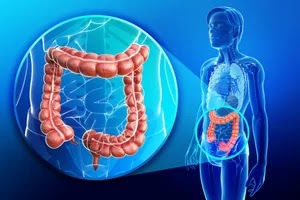
A gastroenterologist uses a colonoscopy to examine the inner lining of the colon and rectum, which make up the large intestine. In this endoscopic procedure, a colonoscope—a long, flexible, lighted tube with a tiny camera attached to the end—is inserted into the rectum. The gastroenterologist guides the colonoscope through the colon, looking for polyps, signs of bleeding, inflammation or other abnormalities.


If the gastroenterologist finds polyps, or small growths inside the colon or rectum, a polypectomy may be performed during the colonoscopy. The polyps are then analyzed in a laboratory for signs of cancer.

A patient may have a colonoscopy as an outpatient. The procedure typically takes 15 to 60 minutes, but patients usually remain onsite for two to three hours, including preparation and recovery time. Patients are often sedated during the procedure to help them relax and tolerate discomfort. They may experience pressure, bloating or cramping during or after the procedure, but rarely do patients experience pain.

In addition to a colonoscopy, endoscopic procedures used to diagnose colorectal cancer include by AMRI hospitals specialist:

Flexible sigmoidoscopy: For this procedure, a gastroenterologist uses a lighted tube with a tiny camera attached to its end to examine the rectum and lower part of the colon (the sigmoid colon) for polyps or other abnormalities. The gastroenterologist may also perform a biopsy to collect samples of tissues or cells for further investigation. This colorectal cancer detection test is an outpatient procedure that does not typically require pain medication or sedative anesthesia.

Endoscopic ultrasound (EUS): A gastroenterologist uses this procedure to carefully examine the digestive tract and nearby organs, including the pancreas, liver, gallbladder and bile duct. This high-resolution imaging technology helps detect potential tumors and identify lymph nodes in the chest and abdomen, where the cancer may have spread. A very thin needle is used to obtain tissue samples, which are analyzed to determine whether cancer cells are present. Sometimes, doctors use an EUS to stage rectal cancer and determine an appropriate treatment plan.

Wednesday, 12 June 2019

AMRI Hospitals organizes a series of events for public health literacy and medical care

AMRI Hospitals has actively participated in community health-care and well-being. Organizing multiple events to create awareness about healthcare and treatments, AMRI Hospitals brings together both individuals and organizations to provide a national platform to help deliver medical aid. As people suffer healthcare challenges every day, AMRI Hospitals mainly stresses on timely care and preventive measures. The hospital works actively in favour of the community, emphasizing upon combatting threats and illnesses through various initiatives.


AMRI’s key event highlights this month took into account wide-ranging health issues that aimed at community-focused medical-care:

World No Tobacco Day– In the light of World No Tobacco Day, AMRI Hospitals provided expert medical consultation, along with a free pulmonary function test, to help people have access to effective medical screening, and better lung care.

Continuing Medical Education (CME) sessions:AMRI’s chain of hospitals hosted multiple CME sessions, where doctors and research professionals spoke about various healthcare issues, such as Neural Tube Defect, etc. The educational sessions saw participation of several students, as well as doctors.

Multiple free health check-up camps- In order to support its objective of collective community welfare, AMRI Hospitals organized free health checkup camps across Kolkata and other parts of Bengal. Senior doctors volunteered and conducted free consultations and checkups, benefitting numerous people through their services. The hospital regularly collaborates with several institutes to provide basic healthcare services.

AMRICON 2019- In an attempt to enhance treatment offerings for better cardiac care, AMRI Hospitals hosted their annual event, AMRICON 2019 that encouraged discussions on new drugs, treatments and screening possibilities in the field of cardiology.

Programme on bone health – Stressing upon the need to have healthy and sturdy bones, AMRI Hospitals–Saltlake organized a programme on bone care. The programmewas led by leading Orthopaedic surgeons.

Health talks- Communicating well with your doctor is imperative to good medical care. Therefore, AMRI organized a series of talks on various aspects of healthcare to support people and help them make smart choices in matters concerning their health and well–being.

AMRI Hospitals, best hospital in Kolkata has laid equal focus on providing premium healthcare services, along with increasing health literacy amongst the community. These events were organized to help local community members live healthier lives, and to reinstate AMRI’s objective to deliver aid to the community at all times.  

Monday, 10 June 2019

Essential Tips for a Healthy Liver

The liver is a wonderfully resilient and complex organ that nurtures and protects your body day in and day out. It helps neutralise and dispose of toxins, feeds your body the energy it needs to function, fights off viruses and infections, regulates sex hormones, cholesterol levels and vitamin and mineral supplies in your body. And that’s only some of its more than 500 functions.


The liver is the only organ that can regenerate itself, thus making it possible for one person to donate part of their liver to another person.

By learning more about your liver and how you can keep it healthy, you may actually help reduce your risk of developing not only liver disease but also other health conditions including diabetes and heart disease.

Top tips for a healthy liver
1) Reduce alcohol

We are often told that too much alcohol is bad for us, and you may have wondered when sipping a glass of wine or beer how alcohol affects your liver. Your liver can cope with drinking a small amount of alcohol. However, the liver can only handle a certain amount of alcohol at any given time, so if you drink more than the liver can deal with by drinking too quickly, or drinking too much over a short period of time, the liver cells (hepatocytes) struggle to process it.

2) Maintain a healthy weight

Research has demonstrated that more than 70 per cent of Irish over-50s are either overweight or obese. Of those classed as obese, approximately 30 per cent will have fatty liver disease or non-alcohol fatty liver disease, putting them at high risk of liver scarring (cirrhosis), liver failure and liver cancer.

3) Avoid fad diets

Fad diets that make your weight yoyo can put excessive stress on your liver. Avoid any products that promise large amounts of weight loss in an unrealistically short period of time. Aim to lose weight at a healthy rate of ½kg-1kg per week. Liver cleansing and detox diets should also be avoided. Contrary to popular belief, no particular diet is liver cleansing, but a healthy diet improves well-being, suggested by AMRI Hospitals consultants.

4) Be aware of drug safety

With easy access to health information via the internet, you may be tempted to self-diagnose and treat your own health problems. But by not consulting a doctor, you may be putting yourself at risk for potentially hazardous side effects that can result when certain medications and/or supplements are combined. As the main organ that detoxifies most drugs, herbal remedies and vitamins, the liver is vulnerable to the toxic consequences of self-medicating.

Saturday, 8 June 2019

Gastroscopy – Symptoms & Treatments

A gastroscopy can be used to check symptoms or confirm a diagnosis, or it can be used to treat a condition.


Checking symptoms
A gastroscopy may be recommended if you have symptoms that suggest a problem with your stomach, oesophagus (gullet), or the first section of your small intestine (duodenum).

Problems that are sometimes investigated using a gastroscopy include:

abdominal (tummy) pain
heartburn or indigestion
persistently feeling and being sick
difficulties swallowing or pain when swallowing (dysphagia)
a reduced number of red blood cells (anaemia), which may be caused by persistent internal bleeding
severe bleeding, which may have caused a sudden, sharp pain in your abdomen, vomiting blood or very dark or “tar-like” poo
Diagnosing conditions

A gastroscopy is also used to help confirm (or rule out) suspected conditions, such as:

stomach ulcers – open sores that develop on the lining of the stomach and small intestine
gastro-oesophageal reflux disease (GORD) – where stomach acid leaks back up into the oesophagus
coeliac disease – a common digestive condition, where a person has an adverse reaction to gluten in food
Barrett’s oesophagus – abnormal cells on the lining of the oesophagus
portal hypertension – where the blood pressure inside the liver is abnormally high, causing swollen veins (varices) to develop on the lining of the stomach and oesophagus
Stomach cancer and oesophageal cancer
As well as examining the oesophagus, stomach and duodenum, the endoscope (a thin, flexible tube that’s passed down your throat) can be used to remove small samples of tissue for testing. This is known as a biopsy.

Treating conditions
A gastroscopy can also be carried out to treat some problems affecting the oesophagus, stomach and duodenum, suggested by AMRI Hospitals.

For example, a gastroscopy can be used to:

stop bleeding inside the stomach or oesophagus, such as bleeding caused by a stomach ulcer or enlarged veins (varices)
widen a narrowed oesophagus that’s causing pain or swallowing difficulties – this can be caused by GORD, oesophageal cancer, or radiotherapy to the oesophagus
remove cancerous tumours, non-cancerous growths (polyps) or foreign objects
provide nutrients – a gastroscopy can help doctors guide a feeding tube into the stomach, when a person is unable to eat in the normal way

Friday, 7 June 2019

Is It Gas Pain or Something More Serious?

Everyone has intestinal gas, which can lead to uncomfortable bloating and even pain. But how can you tell when excessive gas might be something more serious?

Gas is a normal, yet often uncomfortable, part of the digestive process. It’s a by-product of many of the foods we eat.

Is It Just Intestinal Gas?
Keep in mind that some people pass gas more than 20 times a day, and that can be considered normal depending on the individual. Unless there are underlying problems or alarming symptoms, such as blood in the stool, weight loss, abdominal pain, family history of malignancy, or difficulty swallowing, it’s probably nothing to be concerned about, according to doctors of AMRI Hospitals. So what you may think is excessive gas may be a rather ordinary amount. Keeping and reviewing a diet journal could easily help you identify the source of the problem as one of the many gas-producing foods.

Here are some simple ways to tell if intestinal gas is behind your bloating and discomfort:


  • You feel the urge to pass gas or to belch.
  • You get relief from the bloating and pain when you pass gas.
  • Your pain and bloating don’t persist or worsen.
  • Excessive gas and bloating get better when you make certain changes to your diet, like eliminating dairy, cutting back on fiber, or limiting high-fat foods.
  • Pain and bloating improve when you swallow less air, which is what happens when, for example, you chew gum or eat too quickly.


What Else Could It Be?
Although not usually a sign of serious illness, excessive gas can be a warning sign of an underlying medical issue. Excessive gas could be a sign of an abnormality with your digestive system, like gastroparesis, for example. Also, what you think are gas pains could actually be any one of a number of health problems.

Here are just a few possible causes of abdominal pain and bloating:


  • Constipation
  • Lactose intolerance or another food intolerance or allergy
  • Gastroesophageal reflux disease (GERD) or indigestion
  • Irritable bowel syndrome (IBS)
  • Kidney stones, gallstones, or an inflamed gallbladder
  • Crohn’s disease or ulcerative colitis (inflammatory bowel disease)
  • An ulcer in the digestive tract
  • Appendicitis’
  • An obstruction in the bowel
  • A tumor in the abdomen


In most of these cases, you will notice symptoms other than just gas and bloating. For instance, in the case of appendicitis, there will most likely be changes to your abdomen, including stiffness and extreme tenderness. Gas pain doesn’t make your belly sensitive to the touch, so if you notice extreme pain, always seek medical advice.

If your pain, bloating, and excessive gas problems are persistent, take steps to find out the cause.

Diagnosing the Problem

A physical exam and diagnostic tests may be performed to help rule out other more serious medical conditions that could be mimicking excessive gas pain. If lactose intolerance is suspected, your doctor may schedule you for a breath test. Depending on the potential causes, other tests may include blood work, imaging — such as X-ray or computerized tomography (CT) — and endoscopy.

Thursday, 6 June 2019

10 ways to get rid of gas pain fast

Luckily, many home remedies can help to release trapped gas or prevent it from building up. Twenty effective methods are listed below.


1. Let it out

Holding in gas can cause bloating, discomfort, and pain. The easiest way to avoid these symptoms is to simply let out the gas.

2. Pass stool

A bowel movement can relieve gas. Passing stool will usually release any gas trapped in the intestines.

3. Eat slowly

Eating too quickly or while moving can cause a person to take in air as well as food, leading to gas-related pain.

4. Avoid chewing gum

As a person chews gum they tend to swallow air, which increases the likelihood of trapped wind and gas pains.

5. Say no to straws

Often, drinking through a straw causes a person to swallow air. Drinking directly from a bottle can have the same effect, depending on the bottle's size and shape.

6. Quit smoking

Whether using traditional or electronic cigarettes, smoking causes air to enter the digestive tract. Because of the range of health issues linked to smoking, quitting is wise for many reasons.

7. Choose non-carbonated drinks

Carbonated drinks, such as sparkling water and sodas, send a lot of gas to the stomach. This can cause bloating and pain.

8. Eliminate problematic foods

Eating certain foods can cause trapped gas. Individuals find different foods problematic.

However, the foods below frequently cause gas to build up:


  • artificial sweeteners, such as aspartame, sorbitol, and maltitol
  • cruciferous vegetables, including broccoli, cabbage, and cauliflower
  • dairy products
  • fiber drinks and supplements
  • fried foods
  • garlic and onions
  • high-fat foods
  • legumes, a group that includes beans and lentils
  • prunes and prune juice
  • spicy foods


Keeping a food diary can help a person to identify trigger foods. Some, like artificial sweeteners, may be easy to cut out of the diet.

9. Drink Tea

Some herbal teas may aid digestion and reduce gas pain fast. The most effective include teas made from:


  • anise
  • chamomile
  • ginger
  • peppermint
  • powered by Rubicon Project


Anise acts as a mild laxative and should be avoided if diarrhea accompanies gas. However, it can be helpful if constipation is responsible for trapped gas.

10. Snack on fennel seeds

Fennel is an age-old solution for trapped wind. Chewing on a teaspoon of the seeds is a popular natural remedy.

However, anyone pregnant or breast-feeding should probably avoid doing so, due to conflicting reports concerning safety.

While everyone experiences trapped gas once in a while, as suggested by AMRI Hospitals, experiencing regular pain, bloating, and other gastrointestinal symptoms can indicate the presence of a medical condition or food sensitivity.

Wednesday, 5 June 2019

WAYS TO PREVENT INTESTINAL DISORDERS IN THE SUMMER

In the warm season in our lives more actively include barbecues, dinners on the nature and fresh harvest from the beds. All this increases the risk of intestinal disorders, and here are some tips that help to reduce.

1. Drink more water. When the temperature increases, our body starts to produce much more fluid through sweat. That’s why the day must drink at least 8 glasses of water to avoid dehydration and related intestinal disorders.

2. Most use probiotics. These products contain beneficial bacteria that participate in digestive processes. The best source of probiotics are yogurt, which can also help with the development of diarrhea.

3. Limit your use of caffeine, alcohol and soda. Drink less coffee, try to reduce the level of alcohol and carbonated drinks because they irritate the stomach, which can cause problems with digestion.

4. Avoid spices. Contains a large number of spices like food to many people, but in hot weather it can have a negative effect on the stomach and intestines. Often eat foods with fiber like vegetables and fruits.

5. More sports. Any kind of physical activity has a positive effect on digestive processes. Practise yoga, Hiking, running and swimming.

These are the following ways to keep in mind as suggested by AMRI Hospitals consultants.

Tuesday, 4 June 2019

ENT & Head Neck Surgery for Head and Neck Cancer at AMRI Hospitals

The skill base is a complex, highly specialized region deep within the cranium (skull). It is surrounded by vital structures of the head and central nervous system. At Stanford Medicine, a team of highly-skilled specialists in head and neck cancer and neurosurgery work together to provide the highest level of care for patients with tumors of the skull base.

Treatment for tumors of the skull base may involve surgery, radiation therapy, chemotherapy, or a combination. For some patients, a conventional open surgical approach provides more advantages. For others, a minimally invasive or endoscopic approach is recommended.


With endoscopic skull base surgery, the skilled surgeons at Stanford Medicine acces the tumor through tiny holes in the skull or the back of the sinuses. Endoscopic skull base surgery may reduce your hospital stay, decrease complications from surgery, and help you recover faster.

Ear& Skull Base Surgery


  • Microsurgery of the ear for hearing restoration including laser stapedotomy
  • Cochlear Implant Surgery for the new-born
  • Surgery for sleep improvement (sleep apnoea) and correction of snoring assisted by CO2 Laser including laser uvuloplasty and LOP procedures
  • Dedicated Neurosurgery & ENT Team for dealing with growths and tumours in the skull base extending to neck.


The ENT department at Bhubaneswar performs both basic and advanced endoscopic sinus surgeries, micro ear/micro laryngeal surgeries, Esophageal endoscopes and surgery for deafness. It also offers solutions in advanced endoscopic, microscopic anterior and lateral skull base surgeries in collaboration with experienced neurosurgeons.

The ENT specialty unit in Southern Avenue explores the advanced sub-specialties with deeper expertise. Our internationally acclaimed medical faculties along with a dedicated tam of over 15 ENT surgeons ensure that patients are provided with undisrupted medical attention. With over 12 years of sustainable success rate, AMRI Southern Avenue over the years has established itself as one of the best centres for ENT treatment in Eastern India. From Video Endoscope and Microscope based ENT Treatment to Cochlear implant, our highly skilful medical team is well equipped to meet the most complex challenges with ease. There are also numerous dedicated clinics in the unit which include:


  • Dedicated Hearing AID Clinic
  • Snoring Clinic with Drug Induced Sleep Endoscopy (DISE)
  • Vertigo Clinic - through assessment with investigation & rehabilitation therapy
  • Voice Clinic - Voice Correction for the professional voice user with voice therapy, medication & laser surgery
  • Speech Clinic - Providing therapy & counseling to developmental & behavioural speech defects

Monday, 3 June 2019

Belching & Intestinal Gas: Tips for reducing them

Belching or passing gas (flatus) is natural and common. Excessive belching or flatus, accompanied by bloating, pain or distention, can occasionally interfere with daily activities or cause embarrassment. But these signs and symptoms usually don’t represent any serious underlying condition and are often decreased with simple lifestyle measures.

When belching, gas or bloating interfere with your daily activities, there may be something wrong. Find out how to reduce or avoid gas and gas pains, and when you may need to see your doctor at AMRI Hospitals.


Belching: Getting rid of excess air

Belching, or burping, is your body’s way of expelling excess air from your upper digestive tract. Most belching is caused by swallowing excess air. This air most often never even reaches the stomach but accumulates in the esophagus.

You may swallow excess air if you eat or drink too fast, talk while you eat, chew gum or suck on hard candies, drink carbonated beverages, or smoke. Some people swallow air as a nervous habit — even when they’re not eating or drinking. This is called aerophagia.

Acid reflux or gastroesophageal reflux disease (GERD) can sometimes cause excessive belching by promoting increased swallowing. Chronic belching may be related to inflammation of the stomach lining (gastritis) or to an infection with Helicobacter pylori, the bacterium responsible for some stomach ulcers. In these cases, the belching is accompanied by other symptoms, such as heartburn or abdominal pain.

You can reduce belching if you:


  • Eat and drink slowly
  • Avoid carbonated drinks and beer
  • Check your dentures
  • Get moving
  • Treat heartburn
  • Flatulence: Gas buildup in the intestines


Gas in the small intestine or colon is typically caused by the digestion or fermentation of undigested food, such as plant fiber or certain sugars (carbohydrates), by bacteria found in the colon. Gas can also form when your digestive system doesn’t completely break down certain components in foods, such as gluten or the sugar in dairy products and fruit.

To prevent excess gas, it may help to:


  • Eliminate certain foods
  • Read labels
  • Eat fewer fatty foods
  • Temporarily cut back on high-fiber foods
  • Try an over-the-counter remedy
  • Excessive belching, passing gas and bloating often resolve on their own or with simple changes. If these are the only symptoms you have, they rarely represent any serious underlying condition.


Consult your doctor, visit AMRI Hospitals, best gastro hospital in Bhubaneswar, if your symptoms don’t improve with simple changes, particularly if you also notice:


  • Diarrhea
  • Persistent or severe abdominal pain
  • Bloody stools
  • Changes in the color or frequency of stools
  • Unintended weight loss
  • Chest discomfort
  • Loss of appetite or feeling full quickly

Sunday, 2 June 2019

Digestive Diseases | AMRI Hospitals Bhubaneswar

Digestive diseases are disorders of the digestive tract, which is sometimes called the gastrointestinal (GI) tract.

In digestion, food and drink are broken down into small parts (called nutrients) that the body can absorb and use as energy and building blocks for cells.

The digestive tract is made up of the esophagus (food tube), stomach, large and small intestines, liver, pancreas, and the gallbladder. The first sign of problems in the digestive tract often includes one or more of the following symptoms:

  • Bleeding
  • Bloating
  • Constipation
  • Diarrhea
  • Heartburn
  • Incontinence
  • Nausea and vomiting
  • Pain in the belly
  • Swallowing problems
  • Weight gain or loss


A digestive disease is any health problem that occurs in the digestive tract. Conditions may range from mild to serious. Some common problems include cancer, irritable bowel syndrome, and lactose intolerance suggested by AMRI Hospitals.

Other digestive diseases include:


  • Gallstones, cholecystitis, and cholangitis
  • Rectal problems, such as anal fissure, hemorrhoids, proctitis, and rectal prolapse
  • Esophagus problems, such as stricture (narrowing) and achalasia and esophagitis
  • Stomach problems, including gastritis, gastric ulcers usually caused by Helicobacter pylori infection and cancer
  • Liver problems, such as hepatitis B or hepatitis C, cirrhosis, liver failure, and autoimmune and alcoholic hepatitis
  • Pancreatitis and pancreatic pseudocyst
  • Intestinal problems, such as polyps and cancer, infections, celiac disease, Crohn disease, ulcerative colitis, diverticulitis, malabsorption, short bowel syndrome, and intestinal ischemia
  • Gastroesophageal reflux disease (GERD), peptic ulcer disease, and hiatal hernia.


Tests for digestive problems can include colonoscopy, upper GI endoscopy, capsule endoscopy, endoscopic retrograde cholangiopancreatography (ERCP), and endoscopic ultrasound suggested by AMRI Hospitals.

Many surgical procedures are performed on the digestive tract. These include procedures done using endoscopy, laparoscopy, and open surgery. Organ transplants can be performed on the liver, pancreas, and small intestine.

Many hospitals, like AMRI Hospitals, best gastro hospital in Bhubaneswar and Kolkata help diagnose and treat digestive problems. A gastroenterologist is a physician specialist who has received extra training in the diagnosis and treatment of the digestive disorders. Other providers involved in the treatment of digestive diseases include:


  • Nurse practitioners (NPs) or physician assistants (PAs)
  • Nutritionists or dietitians
  • Primary care doctors
  • Radiologists
  • Surgeons

Saturday, 1 June 2019

AMRI Hospitals adds to its comprehensive range of medical services to meet patients’ growing needs

AMRI Medical Center (AMC) is well-known for its expertise in diverse medical services, such as eye care, dental care, ENT to general health check-ups, with optimal OPD investigations and consultations. Offering premium healthcare services to its patients for years, the hospital has added to its comprehensive range of medical services to meet the growing needs of patients.

Situated in one of Kolkata’s prime locations, Southern Avenue, the day care centre has been well accredited for its quality services in healthcare sector. Set up in July 2002, AMC Southern Avenue has on board physicians, who are determined to offer high level of services and care when it comes to eyes, dental, ENT and fertility-related issues.

AMRI Southern Avenue is the first recognized service provider of IVF technology with an advanced cryobank in Eastern India. Its groundbreaking fertility services have brought smiles across the country, with a gleam of hope to be able to conceive a new life.

With its high-tech Infertility (IVF) services, AMRI Southern Avenue aim at treating a number of fertility related issues, and lend means of delivering healthy children, devoid of genetic chromosomal disorders. The IVF medical facility treatments are open for people not just in Kolkata but across Indian, and international borders.

AMRI IVF CENTRE:

Success rate of over 50% – 60% in self cases & 80%-90% in third party cases.
Over 10000 babies conceived under one roof.
Dedicated team of fertility super-specialist, embryologists, andrologists, endocrinologists, counsellors and dietician.
100% Non-Disclosure Agreement – Client Confidentiality.
Advanced Lab following ICMR guidelines.
The hospital is known to provide best care through its team of doctors, having the latest equipment and medical know-how, to treat even the severe complications with ease. The team is dedicated to provide the best optometric, dental, ENT care services. AMRI has not only helped its patients achieve better health, but aims at ensuring their holistic well-being.

AMRI Hospitals has been recognized time and again for its excellence in healthcare services and specialties they provide. They deal in all aspects of eye, dental and ENT care from minor discomforts to illnesses requiring intensive care. Fertility-related treatments provided here are highly effective, with a significant improvement in the chances of reproduction.

The top quality patient-care, excellent infrastructure and panel of expertise have made AMRI Hospitals an award-winning private healthcare provider. The specialty medical center is also actively involved in creating awareness and organizing Continued Medical Education (CME) sessions around healthcare treatments.

Friday, 31 May 2019

AMRI Hospitals department of neurology is renowned for its expertise in neuro-care


One of the most advanced hospital chains in Eastern India, AMRI Hospitals offers premium healthcare services through each of its established units. Its department of neurology has been ranked highly amongst other neurological treatment providers.
AMRI’s medical team of physicians, surgeons, and nurses treat its patients with an aim to provide superlative neurological services, making it the best neurology hospital in Kolkata. The department gives equal weight age to research &development, to continuously optimizing their existing standard of services, and to making path-breaking discoveries in medicinal treatments, further evolving the field of study.
The department of neurology is led by some of the best neurosurgeons in the country, and it provides diagnosis, screening and extensive treatments for diseases related to the nervous system. This includes both neuro-surgery facilities as well as trauma management. AMRI Hospitals Bhubaneswar and Mukundapur  are equipped with advanced neuroscience departments with state-of-art technology and medical facilities.
It also provides a series of neuro-rehab services, which help accelerate the recovery process, after the patient has suffered a stroke or any other neurological problem. The department of neurology has advanced equipment and imaging techniques for the comprehensive evaluation of patients. Depending on the clinical needs of patients, customized treatments are also available. The hospital specializes in areas such as Neurosurgery, Neuro Anesthesia, Neurophysiology, Neuro-Psychology, and Interventional Neurology, along with Neuro Rehabilitation.Time and again, the department has been credited for successfully performing some of the most critical neurological surgeries, and treatments procedures, including brain tumor surgery, epileptic surgery, surgery of brain aneurysm, AVM surgery, and awake brain surgery.
The Neurosciences department provides round-the-clock service and facilities, with a dedicated team of doctors ready to handle complex medical situations that require immediate attention. The hospital’s neuro-emergency and trauma care center helps patients who are affected by neurological issues. AMRI Hospitals also has fully operative ambulance services to reach out to people in remote locations during medical emergencies.
The hospital has earned a prominent position in the field of neurology, with its team of doctors and staff delivering premium medical care, and diligently handling even the most complex cases. It lays great emphasis on providing timely treatments to all its patients.

Thursday, 30 May 2019

World No Tobacco Day: How To Quit Tobacco For Good?


May 31 is observed as World No Tobacco Day. The theme for World No Tobacco Day 2019 is “tobacco and lung health”, focusing on the negative impact that tobacco has on people’s lung health and overall well-being. For ages, people have been using tobacco in our country in different forms. Some use it for smoking – cigarette, beedi, chillum, hooka, cigars and chutta (a homemade cigar). While others use smokeless tobacco in the form of- pan, gutka, khaini, pan masala, mishri, mawa and toothpaste with tobacco.
Many families in India earn their livelihood by making tobacco products like beedis and are assisted by their children in its production. Most of these children end up getting addicted to tobacco use in some form or the other. Children who are not active users of tobacco also suffer by inhaling tobacco flakes while making beedis, which increases their risk of getting various cancers and lung diseases.
Quitting all tobacco related products is the first step one can take towards improving their overall health. Initially, it might be difficult for people who have been smoking for years. But with determination and self-discipline, this can be achieved. Also the support of family, friends and timely professional are a key to helping an individual quit tobacco suggested by AMRI Hospitals, best hospital in Kolkata.
These steps may serve as a guide to quit tobacco
For quitting tobacco, you need to START:
S – Set a date and quit completely; simply reducing tobacco consumption would make you just bounce back. List the reasons why you want to quit and keep it with you.
T – Tell family and close friends to garner strength and support.
A – Anticipate and plan for difficult times. Keep a record of when, how much and why you smoke or use tobacco.
R – Remove all tobacco products from your vicinity.
T – Talk to your doctor to seek professional help for counselling and nicotine cravings; do not self-medicate.
Lastly, be prepared for relapse. Four out of five times the quitting trial fails! Nonetheless, keep trying.
So, START now and lead a tobacco free life on this World No Tobacco Day.

Wednesday, 29 May 2019

Health Tips to keep in mind during Ramadan


The holy month of Ramadan is a crucial month for the Muslim community, both physically and spiritually with the belief of learning restraint through practice. During this period the community observes Roza i.e. fast, which involves its members abstaining from eating and drinking, right from sunrise until sunset.
Fasting during Ramadan is known to help in improving one’s health but doing it the right way is imperative. Moreover, it can pose as a challenge for people with dietary issues to practice it for the entire month. Therefore, eating healthy and ensuring the consumption of all nutrients during this period is essential.
Following are a few suggestions to keep in mind in order to observe a healthy and fit Ramadan fast as suggested by AMRI Hospitals consultants:
1. Don’t miss Sehri – Also popularly known as ‘Suhoor’, this is considered to be the most important meal of the day, similar to breakfast. Sehri is the pre-dawn meal that contributes to a large extent in storing up nutrients to replenish the body’s requirement until Iftar. Unfortunately, several people tend to avoid this meal by eating heavy dinner instead, as waking up early becomes a challenge. However, skipping Sehri can cause digestive discomfort and make your body sluggish throughout the day. Therefore, indulge in a nutritious meal that includes fibre-rich food (figs, bananas, dates, cereals), complex carbohydrates (grains, wheat, oats), and high-protein food (cheese, eggs, meat).
2. Keep your body hydrated– This is one of the most essential tips to keep in mind during the month of Ramadan. One needs to balance the consumption of liquids to compensate not drinking 8 glasses/ 2 litres of water. Dehydration can lead to constipation, splitting headaches, and lethargy, and therefore, hydrating yourself before the fast begins with two-three glasses of water is critical, as is sipping on water on breaking the fast, between Iftar and your bedtime. Unhealthy drinks that contain caffeine including coffee, tea, aerated beverages must be avoided. People who cannot function without coffee can have a cup post 1-2 hours of a healthy balanced Iftar. Consuming water-rich foods like fruits, vegetables, and soups are highly recommended to meet the daily water intake.
3. Moderate your diet and keep a check on your meal intake– People tend to get carried away during the Iftar meal and indulge in a large portion of meals but it is advisable to eat in moderation whenever the fast is broken, and keeping a constant check on the meal-size. Overeating can be responsible for an increase in heart-related issues along with triggering Type-2 Diabetes. Therefore, consuming more fresh fruits and vegetables is advisable.
4. Abstain from heavy workouts and exercising– As the entire month demands long hours of fasting, our body tends to get dehydrated, and therefore, it is recommended to not go overboard with your exercise regime. Light workouts are okay following fasting hours as they aid in regulating body functions and keep it hydrated.
As important as it is to observe fast, one should not overlook the importance of staying healthy. These simple tips can help you keep a check on your health during the holy month of Ramadan so you can observe fast without compromising on your health.

Tuesday, 28 May 2019

Health Tips to maintain Menstrual hygiene effectively


Here are some tips every woman should follow to maintain menstrual hygiene:-
1. Keep your vaginal area clean: It is important to keep your vaginal area clean especially during periods when there is blood flow from the body. Use warm water and diluted soap to wash the area. You can also use recommended vaginal washes available in the market to keep yourself clean. If, however, they irritate your skin or vagina, discontinue the use and speak to a doctor. The vagina also has a self-cleaning mechanism, so these washes aren’t really necessary for most women.
2. Never use two pads simultaneously: No, two is not better than one. Some women who experience heavy flow, tend to use two sanitary pads at one go to control the flow and prevent staining of clothes. This, however, is a bad idea as it can cause infections in the vaginal region. Stick to one and keep changing it often if the flow is more, suggested by AMRI Hospitals, Best hospital in Bhubaneswar .
3. Wear comfortable, clean underwear: While changing your sanitary pad is essential, it is also important to wear something comfortable during these days. Tight thongs or underwear made of fabric that doesn’t allow your skin to breathe will also lead to infections. Stick to clean and comfortable cotton knickers that do not stick to your skin.
4. Change your pad every four hours: If you use sanitary pads to soak the flow during your periods, remember to change it often. Ideally, changing it every four hours is good. If not every day, do this on the first two days when the flow is heavier. On others too, don’t wear the same pad for more than eight hours.
5. Clean reusable pads properly: There are sanitary napkins that can be reused for several menstrual cycles. If you use one of these, ensure that you clean them thoroughly after every use so that there are no germs and there is no scope of infection. Follow the instructions given and don’t reuse them after the said number of uses.

Monday, 27 May 2019

5 things to keep in mind for your menstrual hygiene


Menstruation is one of the vital processes of a woman’s body which deserves utmost caution and self-care. Ensuring proper hygiene during menses, and eating right is the key to ease the pain you go through.
Promise yourself healthy and happy periods with these hygiene tips, suggested by gynaecologist of AMRI Hospitals, best gynaecology hospital in Kolkata.
1. Change your sanitary napkin every 4-6 hours
Changing sanitary napkins or tampons within every 4-6 hours is the cardinal rule to establish vaginal hygiene. Menstrual blood, when released from the body attracts various organisms from our bodies, which multiply in the warmth of the blood, and cause irritation, rashes or urinary tract infections. Changing your sanitary napkin or tampon regularly curbs the growth of these organisms and prevents infections.
2. Wash yourself properly
Washing your vagina regularly is extremely important, because the organisms cling to your body after you have removed your sanitary napkin. Most people wash themselves regularly, but not the right way–which is, using your hands in motion from the vagina to the anus, not vice-versa. Motioning your hand from the anus to the vagina can lead to the transmission of the bacteria from the anus into the vagina or urethra opening leading to infections.
3. Don’t use soaps or vagina hygiene products
While using vaginal hygiene products everyday is a good idea, using these products during menses can turn things around. Vaginas have their own cleaning mechanism which comes into play during menstrual cycles, and these artificial hygiene products can hamper the natural process leading to infections and growth of bacteria.
4. Discard the sanitary napkin properly-
Disposing off your tampons and sanitary napkins properly is an important step. Wrap them properly before you throw them away, so the bacteria and infections do not spread. Make sure you don’t flush them, since that will block the toilet causing the water to back up, spreading the bacteria all over it. Washing your hands properly is of utmost importance after you have wrapped and discarded the used tampons and sanitary napkins, since you’re likely to touch the stained area while wrapping them.
5. Stick to one method of sanitation-


Women tend to use tampons and sanitary napkins, or two sanitary napkins simultaneously during heavy flow which is an efficient technique. While it may keep you dry and prevent stained clothes, it can cause infections too. The combination of two techniques absorbs the blood making us oblivious to the need to change our tampons and sanitary napkins. Without frequent change, the accumulated blood invites bacteria and causes infections. So, it is advisable to use one sanitary napkin and change it as frequently as you can during heavy flow. These cardinal rules will help you stay healthy and manage your period better.