Showing posts with label neurological disorder. Show all posts

Friday, 31 May 2019

AMRI Hospitals department of neurology is renowned for its expertise in neuro-care


One of the most advanced hospital chains in Eastern India, AMRI Hospitals offers premium healthcare services through each of its established units. Its department of neurology has been ranked highly amongst other neurological treatment providers.
AMRI’s medical team of physicians, surgeons, and nurses treat its patients with an aim to provide superlative neurological services, making it the best neurology hospital in Kolkata. The department gives equal weight age to research &development, to continuously optimizing their existing standard of services, and to making path-breaking discoveries in medicinal treatments, further evolving the field of study.
The department of neurology is led by some of the best neurosurgeons in the country, and it provides diagnosis, screening and extensive treatments for diseases related to the nervous system. This includes both neuro-surgery facilities as well as trauma management. AMRI Hospitals Bhubaneswar and Mukundapur  are equipped with advanced neuroscience departments with state-of-art technology and medical facilities.
It also provides a series of neuro-rehab services, which help accelerate the recovery process, after the patient has suffered a stroke or any other neurological problem. The department of neurology has advanced equipment and imaging techniques for the comprehensive evaluation of patients. Depending on the clinical needs of patients, customized treatments are also available. The hospital specializes in areas such as Neurosurgery, Neuro Anesthesia, Neurophysiology, Neuro-Psychology, and Interventional Neurology, along with Neuro Rehabilitation.Time and again, the department has been credited for successfully performing some of the most critical neurological surgeries, and treatments procedures, including brain tumor surgery, epileptic surgery, surgery of brain aneurysm, AVM surgery, and awake brain surgery.
The Neurosciences department provides round-the-clock service and facilities, with a dedicated team of doctors ready to handle complex medical situations that require immediate attention. The hospital’s neuro-emergency and trauma care center helps patients who are affected by neurological issues. AMRI Hospitals also has fully operative ambulance services to reach out to people in remote locations during medical emergencies.
The hospital has earned a prominent position in the field of neurology, with its team of doctors and staff delivering premium medical care, and diligently handling even the most complex cases. It lays great emphasis on providing timely treatments to all its patients.

Tuesday, 7 May 2019

This World Asthma Day, Let’s Spread Awareness to Eradicate This Disease


A long-term inflammatory disease leading to breathing difficulties, asthma poses a major threat to human life. Caused mainly due to the tightening of muscles around your airways, this medical condition can hinder your everyday life to a great extent. It is said to claim more than 250,000 lives every year across the globe.
In its attempt to spread awareness about the dreaded medical condition, all units of AMRI Hospitals, the best hospital in Kolkata, have come up with healthcare initiatives and social media awareness campaigns on World Asthma Day. On the other hand, AMRI Hospitals Dhakuria is celebrating Asthma Week from 6th May to 12th May 2019, including special asthma package consultation with free PFT for Rs 499.
Observed every year on 7th May, World Asthma Day aims at creating awareness around this medical condition. It is a global initiative to improve asthma awareness and combat this disease.
Asthma is more than just coughing or wheezing, and is serious in all its forms, warn pulmonologists at AMRI Hospitals. Having viral infections during childhood is directly linked with an increased risk of asthma.
“Although there is no specific cure or treatment for asthma, awareness of the symptoms can help in keeping a check on this medical condition. The earlier the disease is diagnosed, the better are chances of recovery. It can also help you in managing this medical condition and lead an active life,” say health experts at AMRI Hospitals, Dhakuria.
Excessive coughing (especially while laughing, exercising, or at night), wheezing or whistling sound while breathing, tightness in the chest, fatigue, signs of a cold or allergies (sneezing, runny nose, cough, nasal congestion, sore throat, and headache) and sleep-related issues are among the most common symptoms of asthma. Various medical surveys show that people who have previously been diagnosed with mild asthma are at a higher risk of experiencing a life-threatening attack.
The severity of health risks associated with asthma makes it important to nip the disease in the bud. So, this World Asthma Day, let’s join hands to combat this major concerning issue with AMRI Hospitals, located in Saltlake, Mukundapur, Dhakuria, Southern Avenue and Bhubaneswar.

Friday, 3 May 2019

Symptoms and Treatment of Neurological Disorders


Neurosurgery is a medical discipline concerned with the diagnosis and treatment of nervous system disorders. Neurosurgery is often referred to as brain surgery, however, it’s much more than just the brain. The medical specialty deals with all kinds of neurological disorders including brain, spinal cord, peripheral nerves, and extra-cranial cerebrovascular system.
Nervous system
The nervous system is a highly complex, specialized network inside human body that organizes, elucidates, and directs human interactions with the world outside. The nervous system is primarily responsible for functions like:


  • Five senses of seeing, hearing, tasting, smelling, and feeling
  • Besides regulating things like blood flow and blood pressure, nervous system is also responsible for voluntary and involuntary functions, such as movement, balance, and coordination.
  • The ability to think and reason.

The nervous system is divided into the brain and spinal cord (central nervous system, or CNS) and the nerve cells that control voluntary and involuntary movements (peripheral nervous system, or PNS).
Neurosurgeons treat patients suffering from back and neck pain, spinal arthritis, herniated discs as well as a host of other disorders ranging from trigeminal neuralgia to head injury and Parkinson’s disease.
Neurosurgery treatment at AMRI Hospitals, Best Neurology Hospitals in Kolkata, has considered amongst the best in the world thanks to top-class neurosurgeons who are trained at the best medical schools and have wide experience in handling various kinds of neurosurgery in India. Choosing the best and widely experienced neurosurgeon ensures minimum complications after treatments and much less stress for the patient and the family.

Neurosurgeons in India usually deal with the surgical treatment of the following:
Back pain
Neck pain
Brain tumors
Brain aneurysms
Brain hemorrhage
Spine arthritis
Erniated spinal discs
Spinal stenosis
Epilepsy
Hydrocephalus
Spinal fractures
Head injuries
Carotid Artery Disease
Spinal cord injuries
Carpal tunnel syndrome
Acute and chronic pain
Tremors
Stroke
Artery blockages in the neck and brain
Pain caused by cancer
Parkinson’s disease

Causes Of Neurological Disorder


Insert picture description

The causes of neurological disorder may be quite diverse. Both the spinal cord and the brain are insulated by numerous membranes that can be vulnerable to force and pressure. This also includes peripheral nerves that are located deep under the skin. Neurological disorders can affect an entire neurological pathway or a single neuron. Even a small disturbance to a neuron’s structural pathway can result in dysfunction. As a result, neurological disorders can result from a number of causes, including:
  • Lifestyle related issues
  • Infections
  • Genetics
  • Nutrition related issues
  • Physical injuries
  • Environmental influences

Symptoms of Neurological Disorders

Symptoms of neurological disorders may be mild or severe depending upon which part of the nervous system is involved and what is the root cause of the problem. Nervous system disorders may happen slowly with gradual loss of function or it may be a sudden occurrence that becomes life-threatening.

Some of the symptoms of acute neurological problems and diseases include:
  • Numbness, weakness, or problem in movement of a part or all of one side of the body
  • Blurring, haziness, double vision, or loss of vision in one or both eyes.
  • Speech issues like trouble talking, or trouble understanding or complete loss of speech.
  • Severe headache.
  • Dizziness, unsteadiness.
  • Persistent confusion in understanding things or a change in behavior.
  • Nausea.

Wednesday, 1 May 2019

All you need to know about Brain tumors and their treatment


Brain tumors are difficult to treat, with the survival rate becoming stubbornly low if not detected in due time. They can be fatal, and can significantly hamper the quality of a person’s life. The condition can inflict all age groups and races of men and women. Therefore, that is why brain tumor research and treatment is one of our top priorities, say neurosurgeons at Hospital, one of the best hospitals in Eastern India.
Brain tumor diagnosis and screening might take a mental as well as an emotion toll, but not all tumors are life-threatening. There are a number of questions that circle around brain tumors, and some of the most common are:

How do I know if I have a brain tumor?

A tumor is an abnormal growth of cells in your brain. The tumors can range from being noncancerous or what professionals term as ‘benign’ to cancerous. The outgrowth is not only restricted to the brain but other parts of the body such as the spinal cord (known as the secondary, or metastatic brain tumors).
Most brain tumors are diagnosed after the patient reports a sense of unsought weakness, numbness or sore and stiff muscles. Persisting headaches or any other changes can also be a symptom followed by short episodes of epilepsy in some cases.

How quickly does a brain tumor develop?

The growth of a brain tumor varies on the size, area affected, and the type of brain tumor (benign, malignant). Also, the growth of the tumor determines how intensely it would affect the working of your nervous system. It also has a tendency of continued growth which requires immediate treatment or removal.

What are the implications of being diagnosed with a brain tumor?

The brain is the epicenter of the functioning of your body and tumors can affect it substantially. There are three major areas of functioning affected by a tumor, such as – breathing (brain stem), muscle control and movement, sensory organs and cognitive abilities like memory, sight, emotions, etc. Doctor’s generally group brain tumors by grades such as – grade 1 (less severe) to grade IV (most severe). A higher grade would mean a more aggressive tumor.

What are the symptoms of a brain tumor?

• Sight and hearing inadequacies
• Body balance problems
• Changes in cognitive abilities (such as concentration, memory)
• Seizures, short episodes of epilepsy
• Nausea, weakness, and numbness
• Facial paralysis
• Severe headaches

What all treatment options do I have?

According to health experts at Hospital, there are various treatments available depending upon the severity of the brain tumor. The patient can be treated through surgery or focused radiation treatments which do require surgery. Chemotherapy is another approach to kill the tumor cells, however, it isn’t preferred as it kills the healthy brain cells. Minimally invasive, scarless surgery such as awake craniotomy is also an option, which requires great coordination between the patient and the doctor.  Hospital’s team of best neurologists offer specialized medical assistance while aiming patient’s optimal health and recovery at AMRI Hospitals, best neurology hospital in Kolkata

Observation

Sometimes the best treatment is observation. For example, benign, slow-growing tumors that are small and have few symptoms may be observed with routine MRI scans every year until their growth or symptoms necessitate surgery. Observation may be the best option for people who are older or with other health conditions.

Medication

Medications are used to control some of the common side effects of brain tumors.

Surgery

Surgery is the treatment of choice for brain tumors that can be reached without causing major injury to vital parts of the brain. A neurosurgeon performs a craniotomy to open the skull and remove the tumor. Partial removal can still relieve symptoms. Radiation or chemotherapy may be used on the remaining tumor cells.

Radiation

Radiation therapy uses controlled high-energy rays to treat brain tumors. Radiation damages the DNA inside cells, making them unable to divide and grow. The benefits of radiation are not immediate but occur with time. Aggressive tumors, whose cells divide rapidly, tend to respond quickly to radiation.

Chemotherapy

Chemotherapy drugs work by disrupting cell division. Over time, chemotherapy causes the abnormal cells to die and the tumor may shrink. This treatment can also damage normal cells, but they can repair themselves better than abnormal cells, say neurosurgeons at one of the best hospitals in Eastern India.

Recovery & prevention

  1. Self-care: The primary care doctor and oncologist should discuss any home care needs with you and your family.
  2. Rehabilitation: Brain tumors develop in parts of the brain that control movement, speech, vision, and thinking, rehabilitation may be a necessary part of recovery. Although the brain can sometimes heal itself after the trauma of treatment, it will take time and patience. Physical therapy, occupational therapy, and speech therapy may be helpful to improve or correct lost functions.
Since it is impossible to predict whether or when a particular tumor may recur, lifelong monitoring with MRI or CT scans is essential for people treated for a brain tumor, even a benign lesion. Follow-up scans may be performed every 3 to 6 months or annually, depending on the type of tumor you had.

Saturday, 20 April 2019

Brain Tumors in Children, Causes and Symptoms


Pediatric brain tumors are masses or growths of abnormal cells that occur in a child’s brain or the tissue and structures that are near it. Many different types of pediatric brain tumors exist — some are noncancerous (benign) and some are cancerous (malignant).
Treatment and chance of recovery (prognosis) depend on the type of tumor, its location within the brain, whether it has spread, and your child’s age and general health. Because new treatments and technologies are continually being developed, several options may be available at different points in treatment.
Treatment for brain tumors in children is typically quite different from treatment for adult brain tumors, so it’s very important to enlist the expertise and experience of pediatric specialists in neurology and cancer.
For Treatment Visit AMRI Hospitals, Best Neurology Hospitals in Kolkata

Symptoms

Signs and symptoms of a brain tumor in children vary greatly and depend on the brain tumor type, size, location and rate of growth. Some signs and symptoms may not be easy to detect because they’re similar to symptoms of other conditions.
Some of the more common symptoms of a brain tumor in children include:
  • Headaches, which may become more frequent and more severe
  • Feeling of increased pressure in the head
  • Unexplained nausea or vomiting
  • Abrupt onset of vision problems, such double vision
Other possible signs and symptoms, depending on the tumor location, include:
  • A fuller soft spot (fontanel) on the skull in babies
  • Seizures, especially when there’s no history of seizures
  • Abnormal eye movement
  • Slurred speech
  • Trouble swallowing
  • Loss of appetite; or in babies, difficulty feeding
  • Difficulty with balance
  • Trouble walking
  • Weakness or loss of sensation in an arm or a leg
  • Weakness or drooping on one side on the face
  • Confusion, irritability
  • Memory problems
  • Personality or behavior changes
  • Hearing problems

Thursday, 18 April 2019

5 Daily Habits to Keep Your Brain Healthy

To maintain a healthy brain comes down to a number of life changes, but there are many daily habits people can get into that keep their brains healthy.

1. Change your diet
Dieting is a major trend in modern society, but most people diet to drop a few pounds. But those diets affect the brains in often negative ways. Changing the intake of certain carbohydrates and drinking more water can result in better brain health.
5-brain-foods
2. Exercise
When schedules get busy, one of the first things that gets ignored is exercise. The doctors of AMRI Hospitals, stresses the importance of exercise in reducing stress on the brain, increasing the flow of oxygen, blood, and nutrients to the brain and ultimately protecting it against harmful spikes in sugar levels.
3. Kill ANTs
The one of the most dangerous things to the brain are automatic negative thoughts, or ANTs. Negative thoughts happen to everyone, but letting them fester in the mind is a surefire way to harm your brain. AMRI Hospitals, best neurology hospital in Kolkata  experts offers a number of strategies for taking down these ANTs, most notably questioning the thought intensely to identify how it makes you feel and how you can overturn that feeling by changing the perspective on that thought.
4. Spend time with positive people
Removing negativity triggers chemical alterations to the brain that lead to more positive and energized thought. Taking stock of whom you spend time with and spending more time with positive people will keep your brain healthy and make you more productive and happy.
5. Learn something new every day
Einstein once said that if people spent 15 minutes a day learning something new, in a year they would be an expert and in five they’d be a national expert. The doctors of AMRI Hospitals, agrees and notes that learning new things breaks up routine and keeps the brain revitalized and stimulated.

Tuesday, 16 April 2019

AMRI Bhubaneswar Observes Fire Service Week; Garners Awareness Around Safety and Prevention

The Fire Service Week (FSW) is observed nation-wide during April 14 – 20 in remembrance of the lives lost in the devastating fire that erupted and the explosions that followed on 14th April, 1944 at the Victoria Dock in the Bombay Port. The focus for this week-long remembrance is on Fire Safety awareness among all with a bid to prevent Fire accidents.
AMRI Hospitals, Bhubaneswar has initiated a week-long program to generate awareness among all staff, patients and relatives on the modern methods of fire prevention, various mechanisms of fire detection, fire dousing and the firefighting readiness in the Hospital. The program was inaugurated on 15 April 2019 by Mr Tanjai Kapoor, VP (G&D) from Corporate office, Dr Chirantan Bose, AVP (Medical Services) and Ms Nilanjana Mukherjee, AVP (Operations) with a ribbon-cutting ceremony in the Conference Hall where all firefighting gadgets were displayed.
Image may contain: 8 people, people smiling, people standing
The Management Team and senior staff of the Hospital was explained the importance and working of such gadgets by Mr. Dayanidhi Gochhait, Sr. Manager and HOD, Security Department and Mr D K Behera, Manager, Security Department. Various workshops will be organized throughout this week which would include Theoretical sessions, Fire safety Film Screening and Hands-on training for patients and relatives. HR initiatives like Quiz competition, Poster competition, etc will be organized to spread awareness among staff and others.
AMRI Hospitals, Bhubaneswar boasts of a robust firefighting system and highly trained staff – who are trained in early detection of fire, firefighting and evacuation system. In fact, Fire Drill is held regularly every week, supervised by trained Fire Officers and often attended by representatives from Directorate of Fire Services, Homeguard & Civil Defence, Govt of Odisha. AMRI Hospitals also participate in the various training programs organized by the Directorate. Presently two staff members are undergoing such training at the Directorate campus in Bhubaneswar.

Thursday, 4 April 2019

Neurological Problem Symptoms, Causes and Effects


Neurological Drugs: Possible Options

The type of medication that may be used for the treatment of your neurological disorder will depend on your condition. Possible options for neurological drugs may include corticosteroids, which are often indicated for the treatment of multiple sclerosis. This type of medication may assist with decreasing inflammation. Dopamine-affecting drugs, such as Levodopa, are commonly used in the treatment of Parkinson’s to help with rigidity and tremors.

Medication Side Effects

When taking medication for the treatment of any condition or disorder, it is important to understand that you may experience certain side effects. Medication side effects related to the treatment of neurological disorders can vary based on your own situation and the type of medication in question. In some instances, it may be possible to develop dependence to the medication you are taking. This can occur even if it is a prescription medication, and you are taking it for the treatment of a serious health problem, such as a neurological disorder.

Drug Addiction, Dependence and Withdrawal

If you have developed a drug addiction, dependence and withdrawal are two critical components you need to understand. Dependence can develop when you take medication over a period of time. Depending on the addictive nature of the medication and your own personal situation, dependence can sometimes develop quickly. If you do become dependent on your medication, you will experience withdrawal symptoms when you abruptly stop taking the medication. Symptoms can include headaches, nausea and tremors.
Addiction generally means you also have a psychological dependence on the medication in addition to a physical dependence.

Medication Overdose

The potential for medication overdose is quite real and should not be taken lightly. In instances where an individual has become dependent on a medication, they may begin taking increasingly larger doses of the medication in order to achieve the same effects. This can result in an overdose – a serious medical situation that can be fatal.
If you believe that you or someone you know may be taking too much medication and could be at risk for overdose, it is important to seek help right away. Please contact us at AMRI Hospitals, Best Neuro Hospital in Bhubaneswar

Sunday, 10 March 2019

Nephrotic Syndrome


Treatment for nephrotic syndrome includes treating the underlying condition that’s causing it and taking medications. Nephrotic syndrome can increase your risk of infections and blood clots. Your doctor may recommend medications and dietary changes to prevent these and other complications of nephrotic syndrome.

 Symptoms

 Signs and symptoms of nephrotic syndrome include:
  • Severe swelling (edema), particularly around your eyes and in your ankles and feet
  • Foamy urine, which may be caused by excess protein in your urine
  • Weight gain due to excess fluid retention
  • Fatigue
  • Loss of appetite

Causes

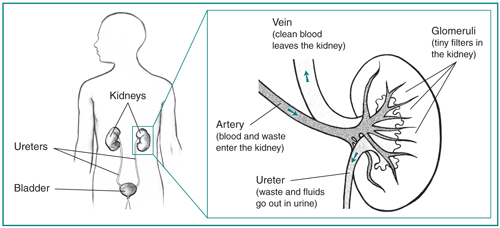
Nephrotic syndrome is usually caused by damage to the clusters of tiny blood vessels (glomeruli) of your kidneys.The glomeruli filter your blood as it passes through your kidneys, separating things your body needs from those it doesn’t. Healthy glomeruli keep blood protein (mainly albumin) — which is needed to maintain the right amount of fluid in your body — from seeping into your urine. When damaged, glomeruli allow too much blood protein to leave your body, leading to nephrotic syndrome.

Many possible causes

Many diseases and conditions can cause glomerular damage and lead to nephrotic syndrome, including:
  • Diabetic kidney disease. Diabetes can lead to kidney damage (diabetic nephropathy) that affects the glomeruli.
  • Minimal change disease. This is the most common cause of nephrotic syndrome in children. Minimal change disease results in abnormal kidney function, but when the kidney tissue is examined under a microscope, it appears normal or nearly normal. The cause of the abnormal function typically can’t be determined.
  • Focal segmental glomerulosclerosis. Characterized by scattered scarring of some of the glomeruli, this condition may result from another disease or a genetic defect or occur for no known reason.
  • Membranous nephropathy. This kidney disorder is the result of thickening membranes within the glomeruli. The exact cause of the thickening isn’t known, but it’s sometimes associated with other medical conditions, such as hepatitis B, malaria, lupus and cancer.
  • Systemic lupus erythematosus. This chronic inflammatory disease can lead to serious kidney damage.
  • Amyloidosis. This disorder occurs when substances called amyloid proteins accumulate in your organs. Amyloid buildup often affects the kidneys, damaging their filtering system.
  • Blood clot in a kidney vein. Renal vein thrombosis, which occurs when a blood clot blocks a vein connected to the kidney, can cause nephrotic syndrome.

Risk factors

Factors that can increase your risk of nephrotic syndrome include:
  • Medical conditions that can damage your kidneys. Certain diseases and conditions increase your risk of developing nephrotic syndrome, such as diabetes, lupus, amyloidosis and other kidney diseases.
  • Certain medications. Examples of medications that can cause nephrotic syndrome include nonsteroidal anti-inflammatory drugs and drugs used to fight infections.
  • Certain infections. Examples of infections that increase the risk of nephrotic syndrome include HIV, hepatitis B, hepatitis C and malaria.

Complications

Possible complications of nephrotic syndrome include:
  • Blood clots. The inability of the glomeruli to filter blood properly can lead to loss of blood proteins that help prevent clotting. This increases your risk of developing a blood clot (thrombus) in your veins.
  • High blood cholesterol and elevated blood triglycerides. When the level of the protein albumin in your blood falls, your liver makes more albumin. At the same time, your liver releases more cholesterol and triglycerides.
  • Poor nutrition. Loss of too much blood protein can result in malnutrition. This can lead to weight loss, but it may be masked by swelling. You may also have too few red blood cells (anemia) and low levels of vitamin D and calcium.
  • High blood pressure. Damage to your glomeruli and the resulting buildup of wastes in your bloodstream (uremia) can raise your blood pressure.
  • Acute kidney failure. If your kidneys lose their ability to filter blood due to damage to the glomeruli, waste products may build up quickly in your blood. If this happens, you may need emergency dialysis — an artificial means of removing extra fluids and waste from your blood — typically with an artificial kidney machine (dialyzer).
  • Chronic kidney disease. Nephrotic syndrome may cause your kidneys to gradually lose their function over time. If kidney function falls low enough, you may require dialysis or a kidney transplant.
  • Infections. People with nephrotic syndrome have an increased risk of infections.

 Consult AMRI Hospitals, the best nephrology hospitals in Kolkata

Wednesday, 26 September 2018

AMRI Hospitals Bhubaneswar hosts AMRICON: Neuro Update 2018 September


Bhubaneswar: AMRI Hospitals, Bhubaneswar today organized AMRICON Neuro update 2018, a National level Conference on the recent advances in the Neuro Sciences. The conference witnessed the participation of renowned medical faculties and eminent doctors from across the country.
Dr. Minaketan Kar, renowned Physician of Odisha, Chief Guest of AMRICON Neuro Update 2018 said, “It is immense pleasure for me to be a part of this academic feast. I wish, all the sessions will fulfill the advanced academic zest of the participants”. Renowned Neurologist Prof. Dr. R. N. Sahoo said, “AMRI Hospitals organizes CME & Conferences on innovative and emerging topics to educate the practitioners and other specialties in the present context always. Here at AMRICON, the Speakers across the region highlighted the recent advances on Neurosciences and emerging topics related to this. By this, the practitioners and physicians updated their queries and doubts related to the subject.”
Welcoming to the delegates & Neurosciences professional, Mr. CLN Reddy, Unit-Head and VP, AMRI Hospitals Bhubaneswar felicitated the speakers of the Conference and illustrated immense pleasure by taking part of the emerging discussions in the field of Neuro Sciences from different renowned Expert Doctors of the Country. “I Strongly hope, this kind of academic programs would happen regularly which will help the clinical fraternity to extend better services to the Society at a large. “mentioned Mr. Reddy.
Mr. Rupak Barua, Group CEO, AMRI Hospitals said in a statement that, AMRI Hospitals is continuously striving these types of conferences which has become a very rewarding experience for upgrading and updating our knowledge horizon which subsequently benefits the patients at large. AMRICON Neuro Update has thrown new lights on the most advanced Neuro Sciences facilities that AMRI Hospitals offers. The Neuro Science team comprises highly experienced full time consultants of Neuro Medicine, Neuro Surgery backed by critical care & trauma team with high end life saving facilities like ECMO. This conference is aimed at enriching and widening the exposures of the practitioners and subsequently benefits the patients.
“There is a tremendous advances in Neuro Sciences in recent years and challenges also increased in similar proportion. This scientific program featured Nationally & Internationally recognized experts, who provided latest advances in different fields of Neurosciences. Many new advanced technologies and invented practices discussed in the whole five sessions. Most of Nurologists, Neurosurgeons and practicing physicians of Odisha participated the AMRICON Neuro Update 2018,” said Dr. L D Parhi, President, AMRICON.
“AMRICON Neuro Update 2018 is an academic feast designed to bring together the leading and eminent scholars & Neuro Scientists across Nation, which will furnish an imperative platform to discuss and unveil crucial Neurological advances in the field. Our Teams vision is to upgrade the concepts in neurological care for the participating delegates and translate innovations into leading – edge treatments and uses for the people of Odisha,” said, Dr. Amit Jaiswal, Consultant, AMRI Hospitals & Organizing Secretary, AMRICON.
AMRI Group of Hospitals has been organizing AMRICON over the years. AMRICON being a knowledge sharing platform has been organizing programmes that cater to the medical fraternity at large. Seminars and courses are also undertaken to provide knowledge and experience about the medical developments and how to best use them in treating patients and in research purposes. The past editions of the national conference have delved into subjects ranging from Endospine, Gynecology, Nuclear Medicine, Radiology, Critical Care, Gastroenterology, and Obstetrics to Medicine, Pediatrics and Surgery.
SOURCE: Orissadiary.com

Monday, 18 June 2018

Autistic Pride Day 2018: How can yoga help deal with autism?


Yoga, meditation and breathing exercises provide a healthy effective adjunct/ alternate treatment that can support both the child and the family.


Autism Spectrum Disorder is one of the fastest growing developmental disorders in the world. Autism, or autism spectrum disorder, refers to an incurable mental disorder with a range of conditions characterized by challenges with social skills, repetitive behaviors, speech and nonverbal communication. This condition, says Divya Kanchibhotla, meditation trainer and Director, Sri Sri Institute of Advanced Research, is present from early childhood and can be diagnosed as early as 18 months of age.
In India, a recent study suggests the prevalence of ASD is 23 children in 10,000. This is relatively much lower than the recent report from Centers for Disease Control and Prevention (CDC),USA which estimates that in USA, 1 in 59 children suffer from ASD, reporting a 15% increase from their last report.
Children with autism spectrum disorder face developmental and emotional challenges. The social stigma attached to the disease creates a barrier for people to seek help and to talk about it. ASD also comes with its share of comorbid conditions like epilepsy, mood disorders and attention deficiency syndrome. ASD is often characterised by emotional and social connected issues.
ASD has no cure, there are several treatment options available, including medication and therapy. Yoga, meditation and breathing exercises provide a healthy effective adjunct/ alternate treatment that can support both the child and the family.
Benefits of yoga
In addition to benefits typically associated with yoga such as increased strength, balance, coordination and flexibility, benefits such as increased social-emotional skills, language and communication, body awareness, self-regulation, focus and concentration and a reduction in anxiety, impulsive, obsessive, aggressive and self-stimulatory behaviors have also been noted. Yoga can help children with Improved social connectedness, reduced anxiety, improved body awareness and a positive sense of self.
How yoga helps Vagus nerve activation
One of the mechanisms of actions by which Yoga can help children with ASD is through Vagus Nerve Activation. Vagus Nerve is the longest cranial nerve that is the command center for Parasympathetic Nervous System (PNS). PNS is the part of the autonomic nervous system that regulates the process that we don’t regulate consciously. Vaga in Latin means to wander. This cranial nerve wanders around the body from the brain to our colon and helps regulate heart rate, speech, hearing, digestion, fertility amongst several important functions. Our ability to perceive someone’s tone of voice and emotional connect with the speaker is also dependent on a healthy Vagus Nerve.
Scientists are now exploring a connect between Vagus Nerve and ASD. Since Autism is a neurological disorder, they hypothesize that people with ASD have impaired functioning of Vagus Nerve which creates cognitive and social challenges. Several studies are now exploring the benefits of Vagus Nerve Stimulation in ASD and exploring the stimulation as an adjunct treatment.
Yoga has been shown to activate the Vagus Nerve. Several studies show the deep breathing, stretching and meditative components of Yoga practice stimulate the Vagus Nerve. When Vagus Nerve is healthy, it has a multifold effect on the mind-body complex: the release of oxytocin creates social bonding. The active PNS allows access to areas of higher cognition. It also creates a sense of calm and reduces anxiety.
A natural way of Vagus Nerve stimulation can be found in Yoga which can lead to improved quality of life and alleviated symptoms in individuals with ASD.
SOURCE: Healthsite

Sunday, 17 June 2018

2018 Neurological Disorder Drugs Market: Global Demand, Supply, Trend Analysis and 2025 Industry Growth Forecast Research Report


Neurological Disorder Drugs Market Analysis and Global Industry Growth Forecast Research Report

Global Neurological Disorder Drugs Market Research Report 2018
In the Global Neurological Disorder Drugs market research report, the global Neurological Disorder Drugs Industry is valued at USD XX million in 2017 and is expected to reach USD XX million by the end of 2025, growing at a CAGR of XX% between 2017 and 2025.
Geographically, the Global Neurological Disorder Drugs market research report split global into several key Regions, with sales (K MT), revenue (Million USD), market share and growth rate of Neurological Disorder Drugs for these regions, from 2013 to 2025 (forecast), covering
North America
Europe
China
Japan
Southeast Asia
India
Global Neurological Disorder Drugs market competition by top manufacturers/players, with Neurological Disorder Drugs sales volume, Price (USD/MT), revenue (Million USD) and market share for each manufacturer/player; the top players including
Novartis AG
GlaxoSmithKline plc
Merck & Co.
Bayer AG
AstraZeneca
Boehringer Ingelheim GmbH
Teva Pharmaceutical Industries Ltd.
On the basis of product, this report displays the production, revenue, price, market share and growth rate of each type, primarily split into
Antipsychotic
Hypnotic & Sedative
Analgesics
Anticoagulants
Others
On the basis on the end users/applications, this report focuses on the status and outlook for major applications/end users, sales volume, market share and growth rate for each application, including
Hospital
Clinic
Home
If you have any special requirements, please let us know and we will offer you the report as you want.
The study objectives of this report are:
To study and forecast the market size of Neurological Disorder Drugs in global market.
To analyze the global key players, SWOT analysis, value and global market share for top players.
To define, describe and forecast the market by type, end use and region.
To analyze and compare the market status and forecast between China and major regions, namely, United States, Europe, China, Japan, Southeast Asia, India and Rest of World.
To analyze the global key regions market potential and advantage, opportunity and challenge, restraints and risks.
To identify significant trends and factors driving or inhibiting the market growth.
To analyze the opportunities in the market for stakeholders by identifying the high growth segments.
To strategically analyze each submarket with respect to individual growth trend and their contribution to the market
To analyze competitive developments such as expansions, agreements, new product launches, and acquisitions in the market
To strategically profile the key players and comprehensively analyze their growth strategies.
In this study, the years considered to estimate the market size of Neurological Disorder Drugs are as follows:
History Year: 2013-2017
Base Year: 2017
Estimated Year: 2018
Forecast Year 2018 to 2025
For the data information by region, company, type and application, 2017 is considered as the base year. Whenever data information was unavailable for the base year, the prior year has been considered.
Key Stakeholders
Neurological Disorder Drugs Manufacturers
Neurological Disorder Drugs Distributors/Traders/Wholesalers
Neurological Disorder Drugs Subcomponent Manufacturers
Industry Association
Downstream Vendors
Available Customizations
With the given market data, QYResearch offers customizations according to the company’s specific needs. The following customization options are available for the report:
Regional and country-level analysis of the Neurological Disorder Drugs market, by end-use.
Detailed analysis and profiles of additional market players.
Some of the points from Global Neurological Disorder Drugs market Research Report are
Global Neurological Disorder Drugs Market Research Report 2018
1 Industry Overview of Neurological Disorder Drugs
2 Manufacturing Cost Structure Analysis of Neurological Disorder Drugs
3 Technical Data and Manufacturing Plants Analysis of Neurological Disorder Drugs
4 Global Neurological Disorder Drugs Overall Market Overview
5 Neurological Disorder Drugs Regional Market Analysis
6 Global 2013-2018 Neurological Disorder Drugs Segment Market Analysis (by Type)
7 Global 2013-2018 Neurological Disorder Drugs Segment Market Analysis (by Application)
8 Major Manufacturers Analysis of Neurological Disorder Drugs
9 Development Trend of Analysis of Neurological Disorder Drugs Market
10 Neurological Disorder Drugs Marketing Type Analysis
11 Consumers Analysis of Neurological Disorder Drugs
12 Conclusion of the Global Neurological Disorder Drugs Market Professional Survey Report 2017
SOURCE: FreeNewsMan