Showing posts with label orthopaedic hospital in Kolkata. Show all posts

Thursday, 20 June 2019

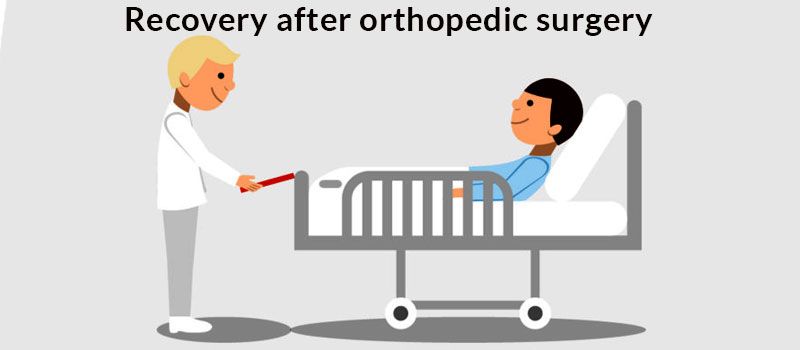
Tips For Faster Recovery From A Orthopedic Surgery

State of the art technologies, modern-day premium techniques, and some world-class orthopaedic specialists and surgeons make us one of the most advanced and preferred orthopaedic care centres today.  Recovery from orthopedic surgery can take a lot of time, but there are some tips you can follow up to make the process go as quickly as possible. Here are some of the basic but effective tips for recovering quickly from an AMRI Hospitals orthopedic specialist :


1) Strictly Follow Post-Operation Instructions
Immediately after the surgery, you will most likely receive a set of specific instructions from your orthopedic surgeon and then you have to meet with a physical therapist to establish a rehabilitation program. It’s important to follow the instructions and recommendations of the doctor/physician and don’t hesitate to ask questions if you don’t understand what you are asked to do.

2) Regularly Go To Your Follow Up Appointments
It’s important to get your progress monitored by the doctor/physician and get your plan tweaked and customized, if there is a need.

3) Perform Rehabilitation Exercises
Your physician will determine your rehab program based upon your situation and set your exercise progression based upon your improvement. Again, for the best outcomes, it’s important to follow strictly as recommended by your physician.

4) Get Proper Nutrition
Eating well after surgery is surely going to help your body heal faster. Some of the foods that doctors/physician recommend includes lean protein (red meat, chicken or fish), dairy, and fresh citrus depending upon the type of surgery you have gone through. Vegetables are nutrient-rich, so keep in mind to eat plenty of green leafy plants including spinach.

5) Sleep Tight
While we sleep our body repairs tissues which promotes healing, so be sure to get at least eight hours of quality sleep each night.

6) Take Proper Medication
After surgery you are most likely be on some sort of pain medication. Talk to your doctor about how and when to take these medicines, and if you should add some multivitamins or other supplements to your daily rehabilitation plan.

7) Ask for Help
After surgery, you will be less mobile and will probably need help with your daily activities. Don’t hesitate to ask for help from your friends and family.

Uteshiya Medicare utilizes the most technologically advanced machining and finishing capabilities for the manufacturing of Orthopedic implants and devices. We are India’s most trusted manufacturers and supplier of customized Orthopedic Implants used in Spine, Trauma, Sports Medicine, and Maxiofacial applications.
Wednesday, 29 May 2019

Health Tips to keep in mind during Ramadan


The holy month of Ramadan is a crucial month for the Muslim community, both physically and spiritually with the belief of learning restraint through practice. During this period the community observes Roza i.e. fast, which involves its members abstaining from eating and drinking, right from sunrise until sunset.
Fasting during Ramadan is known to help in improving one’s health but doing it the right way is imperative. Moreover, it can pose as a challenge for people with dietary issues to practice it for the entire month. Therefore, eating healthy and ensuring the consumption of all nutrients during this period is essential.
Following are a few suggestions to keep in mind in order to observe a healthy and fit Ramadan fast as suggested by AMRI Hospitals consultants:
1. Don’t miss Sehri – Also popularly known as ‘Suhoor’, this is considered to be the most important meal of the day, similar to breakfast. Sehri is the pre-dawn meal that contributes to a large extent in storing up nutrients to replenish the body’s requirement until Iftar. Unfortunately, several people tend to avoid this meal by eating heavy dinner instead, as waking up early becomes a challenge. However, skipping Sehri can cause digestive discomfort and make your body sluggish throughout the day. Therefore, indulge in a nutritious meal that includes fibre-rich food (figs, bananas, dates, cereals), complex carbohydrates (grains, wheat, oats), and high-protein food (cheese, eggs, meat).
2. Keep your body hydrated– This is one of the most essential tips to keep in mind during the month of Ramadan. One needs to balance the consumption of liquids to compensate not drinking 8 glasses/ 2 litres of water. Dehydration can lead to constipation, splitting headaches, and lethargy, and therefore, hydrating yourself before the fast begins with two-three glasses of water is critical, as is sipping on water on breaking the fast, between Iftar and your bedtime. Unhealthy drinks that contain caffeine including coffee, tea, aerated beverages must be avoided. People who cannot function without coffee can have a cup post 1-2 hours of a healthy balanced Iftar. Consuming water-rich foods like fruits, vegetables, and soups are highly recommended to meet the daily water intake.
3. Moderate your diet and keep a check on your meal intake– People tend to get carried away during the Iftar meal and indulge in a large portion of meals but it is advisable to eat in moderation whenever the fast is broken, and keeping a constant check on the meal-size. Overeating can be responsible for an increase in heart-related issues along with triggering Type-2 Diabetes. Therefore, consuming more fresh fruits and vegetables is advisable.
4. Abstain from heavy workouts and exercising– As the entire month demands long hours of fasting, our body tends to get dehydrated, and therefore, it is recommended to not go overboard with your exercise regime. Light workouts are okay following fasting hours as they aid in regulating body functions and keep it hydrated.
As important as it is to observe fast, one should not overlook the importance of staying healthy. These simple tips can help you keep a check on your health during the holy month of Ramadan so you can observe fast without compromising on your health.

Sunday, 19 May 2019

Keep your body hydrated with 5 Remedies


The summer season can be really harsh on your body, depriving it of water and moisture. Hydration is extremely important for the body as it ensures good health, efficient body functions. Hydration is important to keep the body healthy overall, including special benefits for heart health and weight loss.
The body loses water naturally in the form of urination and excretion through the digestive system. During the summer season, the body sweats a lot, which causes even more loss of water. We, therefore, feel more thirsty during the summer than in the winter. It is important to keep your body hydrated during the summer. Dehydration can lead to problems like a heat stroke in the summer. The best way to hydrate your body is to drink a lot of water, but since it can get really boring since it is tasteless and odorless, here are 5 remedies, apart from water, to keep your body hydrated and stay healthy this summer season.
1. Milk: Milk has a lot of health benefits, especially for growing children as it promotes growth and strength in the body. However, milk can also help avoid dehydration, according to a 2011 study, especially in children. According to health-care consultants of AMRI Hospitals, best hospital in Kolkata milk is a better way of hydrating children than other energy drinks or even water itself. Milk works well for hydration in adults too, and a milk-based drink should definitely be included in your summer day.
2. Orange juice: Orange juice is, in fact, a very hydrating drink and therefore should be a part of everyone’s diet in the summer season. Orange juice, which may not be as effective as milk, contains natural sugar, which can help regain energy lost due to the excess heat.
3. Sweet drinks and crisps: Sweet drinks and crisps sound like a great movie night snack and are in fact very helpful in hydrating your body in the summer. When you sweat, you lose water, and salt from the body. You must include naturally sweet beverages like fruit juices to make up for the energy and water loss, and balance the salt loss with the help of crisps. Prefer baked crisps, made with healthy ingredients over packaged chips.
4. Lemon-ginger tea: Including tea in your diet in the summer season can have some re hydrating effects also. A lemon ginger tea adds salt and sugar to your body and creates a balance. We lose sugar, water and salt in the form of sweat and need to replace it to make sure our body is not dehydrated.
5. Eat your water: Another great way to make up for the lost water in the body, apart from drinking this and that, is to include foods rich in water in your diet. A salad made with water-rich vegetables like cucumbers, and fruits like watermelon, sun melon, etc. can be really hydrating.

Wednesday, 1 May 2019

All you need to know about Brain tumors and their treatment


Brain tumors are difficult to treat, with the survival rate becoming stubbornly low if not detected in due time. They can be fatal, and can significantly hamper the quality of a person’s life. The condition can inflict all age groups and races of men and women. Therefore, that is why brain tumor research and treatment is one of our top priorities, say neurosurgeons at Hospital, one of the best hospitals in Eastern India.
Brain tumor diagnosis and screening might take a mental as well as an emotion toll, but not all tumors are life-threatening. There are a number of questions that circle around brain tumors, and some of the most common are:

How do I know if I have a brain tumor?

A tumor is an abnormal growth of cells in your brain. The tumors can range from being noncancerous or what professionals term as ‘benign’ to cancerous. The outgrowth is not only restricted to the brain but other parts of the body such as the spinal cord (known as the secondary, or metastatic brain tumors).
Most brain tumors are diagnosed after the patient reports a sense of unsought weakness, numbness or sore and stiff muscles. Persisting headaches or any other changes can also be a symptom followed by short episodes of epilepsy in some cases.

How quickly does a brain tumor develop?

The growth of a brain tumor varies on the size, area affected, and the type of brain tumor (benign, malignant). Also, the growth of the tumor determines how intensely it would affect the working of your nervous system. It also has a tendency of continued growth which requires immediate treatment or removal.

What are the implications of being diagnosed with a brain tumor?

The brain is the epicenter of the functioning of your body and tumors can affect it substantially. There are three major areas of functioning affected by a tumor, such as – breathing (brain stem), muscle control and movement, sensory organs and cognitive abilities like memory, sight, emotions, etc. Doctor’s generally group brain tumors by grades such as – grade 1 (less severe) to grade IV (most severe). A higher grade would mean a more aggressive tumor.

What are the symptoms of a brain tumor?

• Sight and hearing inadequacies
• Body balance problems
• Changes in cognitive abilities (such as concentration, memory)
• Seizures, short episodes of epilepsy
• Nausea, weakness, and numbness
• Facial paralysis
• Severe headaches

What all treatment options do I have?

According to health experts at Hospital, there are various treatments available depending upon the severity of the brain tumor. The patient can be treated through surgery or focused radiation treatments which do require surgery. Chemotherapy is another approach to kill the tumor cells, however, it isn’t preferred as it kills the healthy brain cells. Minimally invasive, scarless surgery such as awake craniotomy is also an option, which requires great coordination between the patient and the doctor.  Hospital’s team of best neurologists offer specialized medical assistance while aiming patient’s optimal health and recovery at AMRI Hospitals, best neurology hospital in Kolkata

Observation

Sometimes the best treatment is observation. For example, benign, slow-growing tumors that are small and have few symptoms may be observed with routine MRI scans every year until their growth or symptoms necessitate surgery. Observation may be the best option for people who are older or with other health conditions.

Medication

Medications are used to control some of the common side effects of brain tumors.

Surgery

Surgery is the treatment of choice for brain tumors that can be reached without causing major injury to vital parts of the brain. A neurosurgeon performs a craniotomy to open the skull and remove the tumor. Partial removal can still relieve symptoms. Radiation or chemotherapy may be used on the remaining tumor cells.

Radiation

Radiation therapy uses controlled high-energy rays to treat brain tumors. Radiation damages the DNA inside cells, making them unable to divide and grow. The benefits of radiation are not immediate but occur with time. Aggressive tumors, whose cells divide rapidly, tend to respond quickly to radiation.

Chemotherapy

Chemotherapy drugs work by disrupting cell division. Over time, chemotherapy causes the abnormal cells to die and the tumor may shrink. This treatment can also damage normal cells, but they can repair themselves better than abnormal cells, say neurosurgeons at one of the best hospitals in Eastern India.

Recovery & prevention

  1. Self-care: The primary care doctor and oncologist should discuss any home care needs with you and your family.
  2. Rehabilitation: Brain tumors develop in parts of the brain that control movement, speech, vision, and thinking, rehabilitation may be a necessary part of recovery. Although the brain can sometimes heal itself after the trauma of treatment, it will take time and patience. Physical therapy, occupational therapy, and speech therapy may be helpful to improve or correct lost functions.
Since it is impossible to predict whether or when a particular tumor may recur, lifelong monitoring with MRI or CT scans is essential for people treated for a brain tumor, even a benign lesion. Follow-up scans may be performed every 3 to 6 months or annually, depending on the type of tumor you had.

Friday, 26 April 2019

How To Make The Boring Water Interesting To Stay Hydrated This Summer?


The summer season is already hitting its peak this April and with the months of May and June approaching, it is only going to get hotter, especially in North India. The summer season requires you to take a little more care of yourself as the heat can harm your body externally and internally. Keeping your skin safe from the sun and staying hydrated are the key measures to beat the heat.
Hydration is extremely important as it aids weight loss, keeps all body functions running normally, and makes the skin and hair also healthier. Hydration is extremely important, especially during the summer to keep the body cool and to make up for the fluid loss due to sweat, which is excessive in the summers. The best way to stay hydrated is to drink water, but the fact that it is odourless and tasteless can make it really boring and you might want to treat your taste buds which you treat your body. Here are 5 ways you can make the water tasty to beat the heat, and treat your taste buds, at the same time.

The lemon mint virgin mojito

The most refreshing drink that you can try this summer season is the lemon and mint water-based drink. Just squeeze one lemon per glass of the drink that you want to make, crush some mint leaves and add it to the drink. Pour water and add sugar or sugar free drops for sweetener. This is an extremely healthy way to keep yourself hydrated, keep your weight and diabetes under control.

Fruit juices

If blood sugar or diabetes is not an issue, you can indulge in a glass of fresh juice or concentrated juice diluted with water to keep yourself hydrated. However, you should make sure you limit your intake as they are high in sugar and can lead to weight gain.

Detox water

Another way to make your water interesting is to add pieces of fruits in it to infuse the nutrients of the fruit into the water. Lemon, watermelon, mint leaves, and other summer fruits can be added to water and the water can help you detox and lose weight.

Tea

Green tea and other forms of tea are great for weight loss and detox and can also help you stay hydrated. If you are sitting in the office and looking for something warm to sip on, tea may be a good option for you. Tea contains antioxidants and has a lot of health benefits.

Eat your water

Sounds weird, but the best way to make sure you consume more water and stay hydrated is to eat your water in the form of water-based foods and fruits like bottle gourd, cucumbers, watermelon, sun melon, etc. These and other food items contain a high percentage of water and can be consumed to make sure your body stays hydrated during the summer heat

Tuesday, 23 April 2019

Stomach Heat: Here’s How You Can Keep Your Stomach Cool Naturally.


An upset stomach, inflammation and irritation; we have all been there. This problem of excessive stomach heat occurs due to spicy foods, binge-drinking, late night meals. Basically, stomach heat is a condition where excessive heat is produced as a result of a faster digestive process. Stomach heat should be brought under control. Let us look at what exactly is stomach heat and what causes this common condition and some foods to cure it naturally.
The heat produced by stomach while digesting difficult foods can be a problem. There is no typical cause of a raised stomach temperature however, there are some common causes of stomach heat related to the digestive system, some of them which may include-
1. Spicy foods
2. Overeating
3. Late night meals
4. Excessive alcohol
5. Taking too many painkillers
Stomach heat can be treated with certain foods that help cool the temperature and reduce excessive acid levels. Home remedies are extremely effective in this case; however, medical treatment may be needed if the condition still persists.
Here are some foods that can help reduce stomach heat and in turn can give your stomach some relief.

1. Yogurt
While most dairy products can be difficult to digest, plain yogurt can have quite the opposite reactions. The active cultures in yogurt help increase the number of good bacteria in your gut further helping release the heat and aiding in digestion and other mechanisms. Alternatively, you can drink buttermilk every day to get some relief.
2. Cold milk
Cold milk helps cool down the temperature in the stomach and also reduces the level of acid present. Its soothing properties help settle down the uneasiness caused by the heat in the stomach. A glass of raw or cold milk every day may help relieve you from a heated tummy.
3. Boiled rice
A heated stomach may not have many symptoms apart from the uneasiness. What comes as a rescue option is boiled white rice that cools the stomach and increases water content. Do not add any spice or herb in the rice eat it just bland. In fact, you can also pair it up with plain yogurt.
4. Cooling herbs
Cooling herbs like peppermint and chamomile help reduce the heat in the stomach thanks to their cooling properties. A cup of peppermint and chamomile tea will ensure your stomach is relieved of excessive acid levels in the stomach.
5. Water-rich foods
Grab non-citrus foods like apple, peach, watermelon, cucumber, and avoid citrus foods that may only increase acids in the stomach raising temperature levels. Including water rich foods will help cool down the heat and ensure proper digestive system.
6. Lots of water
Drink lots of water to immediately soothe the heat in the stomach caused by various eating and drinking habits. Water will help flush out the toxins produced by excessive heat and ensure a healthy digestive system.
7. Coconut water
Coconut water helps neutralize the acid levels in the stomach; thanks to its alkaline nature. It also helps cool the lining of the stomach, reducing the heat produced.
Visit AMRI Hospitals Best Gastro Hospitals in Kolkata

Wednesday, 17 April 2019

10 ways to keep your brain young


Every brain changes with age, and mental function changes along with it. Mental decline is common, and it’s one of the most feared consequences of aging. But cognitive impairment is not inevitable. Here are 12 ways you can help maintain brain function.
1. Get mental stimulation 
Through research with mice and humans, scientists have found that brainy activities stimulate new connections between nerve cells and may even help the brain generate new cells, developing neurological “plasticity” and building up a functional reserve that provides a hedge against future cell loss.
Any mentally stimulating activity should help to build up your brain. Read, take courses, try “mental gymnastics,” such as word puzzles or math problems Experiment with things that require manual dexterity as well as mental effort, such as drawing, painting, and other crafts.
2. Get physical exercise
Research shows that using your muscles also helps your mind. Animals who exercise regularly increase the number of tiny blood vessels that bring oxygen-rich blood to the region of the brain that is responsible for thought. Exercise also spurs the development of new nerve cells and increases the connections between brain cells (synapses). This results in brains that are more efficient, plastic, and adaptive, which translates into better performance in aging animals. Exercise also lowers blood pressure, improves cholesterol levels, helps blood sugar balance and reduces mental stress, all of which can help your brain as well as your heart.
3. Improve your diet
Good nutrition can help your mind as well as your body. For example, people that eat a Mediterranean style diet that emphasizes fruits, vegetables, fish, nuts, unsaturated oils (olive oil) and plant sources of proteins are less likely to develop cognitive impairment and dementia.
4. Improve your blood pressure
High blood pressure in midlife increases the risk of cognitive decline in old age. Use lifestyle modification to keep your pressure as low as possible. Stay lean, exercise regularly, limit your alcohol to two drinks a day, reduce stress, and eat right.
5. Improve your blood sugar
Diabetes is an important risk factor for dementia. You can help prevent diabetes by eating right, exercising regularly, and staying lean. But if your blood sugar stays high, you’ll need medication to achieve good control.
6. Improve your cholesterol
High levels of LDL (“bad”) cholesterol are associated with an increased the risk of dementia. Diet, exercise, weight control, and avoiding tobacco will go a long way toward improving your cholesterol levels. But if you need more help, ask your doctor about medication.
7. Consider low-dose aspirin
Some observational studies suggest that low-dose aspirin may reduce the risk of dementia, especially vascular dementia. Ask your doctor if you are a candidate.
8. Avoid tobacco
Avoid tobacco in all its forms.
9. Don’t abuse alcohol
Excessive drinking is a major risk factor for dementia. If you choose to drink, limit yourself to two drinks a day.
10. Care for your emotions
People who are anxious, depressed, sleep-deprived, or exhausted tend to score poorly on cognitive function tests. Poor scores don’t necessarily predict an increased risk of cognitive decline in old age, but good mental health and restful sleep are certainly important goals.
Visit Amri Hospitals, Best Neurology Hospital in Kolkata

Tuesday, 9 April 2019

How to Know If You Have a Hernia and What to Do About It?


The organs in your body are surrounded by tissue that holds them firmly in place. However, this supportive tissue can sometimes weaken, allowing an organ to push through it. This condition is known as a hernia. The organ can push through either toward the outside of your body, creating a visible bulge under your skin, or toward another layer of muscle, in which case it won’t cause any visible symptoms.
Millions of Indians suffer from hernias, but less than 20% of those cases are diagnosed. While most hernias aren’t life-threatening, they can cause severe pain if undetected or ignored. In some cases, the flow of blood to the part of the organ affected by a hernia can be cut off, which could result in a fatal outcome. It is thus important to learn how to know if you have a hernia and when to seek treatment.
WHAT CAUSES HERNIAS?
Hernias are a direct result of physical strain and muscle weakness. These two usually go hand-in-hand and can be caused by a variety of factors. Muscle weakness is most often age-related or caused by a congenital defect that leaves a small opening in the abdominal wall. It can also occur due to a chronic cough, as well as damage to the muscle caused by surgery or injury.
With your muscles weakened, many factors can put a physical strain on your body. These include:
1. Persistent coughing
2. Sudden weight gain
3. Lifting heavy objects
4. Abdominal fluid
Because it puts an unusual amount of pressure on your abdomen, pregnancy can strain your body and cause a hernia as a result. Chronic constipation can also cause a hernia, seeing as bowel movements put a lot of strain on your body. Surgical scars following a C-section may also contribute to a hernia.
Although anyone can develop a hernia, people who have a personal or family history of the problem may be more likely to suffer from it. Smoking is a major risk factor, seeing as it can cause a chronic cough. For the same reason, conditions like asthma, cystic fibrosis, and acid reflux can also be contributing factors.
HOW TO KNOW IF YOU HAVE A HERNIA
An unusual bulge or lump in the groin or the abdomen is usually a tell-tale sign of an external hernia. Similarly, a hernia can also manifest itself as a bulge that grows over time but disappears when you lie down or push it back with your finger. This is particularly common in women and is one of the reasons, in addition to outdated ultrasound equipment, why women only account for 8% of all hernia diagnoses.
Men usually experience a bulge in the groin or scrotum area, which is usually accompanied by swelling, burning, and severe pain. Other common symptoms of an external hernia include chronic pain when you try to lift heavy objects, bend over, or cough, as well as weakness or heaviness in the abdominal area.
While it doesn’t typically cause any visible symptoms, an internal hernia will often contribute to the onset of gastroesophageal reflux disease or GERD for short. As such, any of the following symptoms of GERD may be a sign that you have an undiagnosed hiatal hernia:
1. Bloating, pain, and discomfort in the stomach
2. A burning sensation in your chest
3. Sour taste in your mouth and throat
4. Frequent burping
In addition, a hiatal hernia can sometimes cause severe chest pain. As you probably know, chest pain can be a sign of a number of health problems, ranging from anxiety and panic attacks to potentially life-threatening heart and lung problems. Whatever the case, it is not a symptom you should ignore, which is why you should reach out to your doctor the moment you start experiencing chest pain.
A HERNIA WON’T GO AWAY ON ITS OWN
Anyone can develop a hernia, regardless of their age, gender, or health status. If you notice the symptoms of a hernia – either internal or external – you shouldn’t ignore them. A hernia never goes away on its own and can cause a lot of complications – some of them life-threatening.
As such, it is important to visit your doctor at the first sign of the problem. They will look at your symptoms and run all the necessary tests to determine the best treatment. In addition, they may recommend a combination of lifestyle changes and medication to keep your hernia under control.
AMRI Hospitals, Mukundapur, best hospital in Kolkata, brings special hernia screening package at Rs 2500/- providing expert diagnostic services.

Sunday, 7 April 2019

AMRI Hospitals Saving Lives Through Surgical Expertise

A 21-day-old infant named Bhumi Roy had a problem in her right knee. Seeing the problem, her unaware parents went to a random hospital in Agartala, in hope of getting her treated.
However, things took a turn for the worse as her right leg swelled and ultimately stopped functioning. When further looking into the issue, the ultrasonography done by AMRI revealed a blood clot in her hip joint, which needed immediate surgery. Though the entire surgical process had implications, our expert Dr Soumya Ray revived her leg through a successful surgery. The uncommon illness that clenched her, was alleviated by the diligence and efforts of doctors at AMRI Hospitals Mukundapur. 
Her father Bappaditya Roy said “During the operation and both prior and post to the operation the way AMRI hospitals taken care of my child that is amazing and great.” The whole case managed to make it to one of the most famous and renowned newspapers of West Bengal i.e. “Anandabazar Patrika”

Monday, 18 March 2019

Disease of Lungs Emphysema


Emphysema is a lung condition that causes shortness of breath. In people with emphysema, the air sacs in the lungs (alveoli) are damaged. Over time, the inner walls of the air sacs weaken and rupture — creating larger air spaces instead of many small ones. This reduces the surface area of the lungs and, in turn, the amount of oxygen that reaches your bloodstream.
When you exhale, the damaged alveoli don’t work properly and old air becomes trapped, leaving no room for fresh, oxygen-rich air to enter.
Most people with emphysema also have chronic bronchitis. Chronic bronchitis is inflammation of the tubes that carry air to your lungs (bronchial tubes), which leads to a persistent cough.
Emphysema and chronic bronchitis are two conditions that make up chronic obstructive pulmonary disease (COPD). Smoking is the leading cause of COPD. Treatment may slow the progression of COPD, but it can’t reverse the damage.

Symptoms

You can have emphysema for many years without noticing any signs or symptoms. The main symptom of emphysema is shortness of breath, which usually begins gradually.
You may start avoiding activities that cause you to be short of breath, so the symptom doesn’t become a problem until it starts interfering with daily tasks. Emphysema eventually causes shortness of breath even while you’re at rest.

When to see a doctor

See your doctor if you’ve had unexplained shortness of breath for several months, especially if it’s getting worse or it’s interfering with your daily activities. Don’t ignore it by telling yourself it’s because you’re aging or out of shape. Seek immediate medical attention at AMRI Hospitals, best lungs care hospital in Kolkata
  • You’re so short of breath, you can’t climb stairs
  • Your lips or fingernails turn blue or gray with exertion
  • You’re not mentally alert

Causes

The main cause of emphysema is long-term exposure to airborne irritants, including:
  • Tobacco smoke
  • Marijuana smoke
  • Air pollution
  • Chemical fumes and dust
Rarely, emphysema is caused by an inherited deficiency of a protein that protects the elastic structures in the lungs. It’s called alpha-1-antitrypsin deficiency emphysema.

Risk factors

Factors that increase your risk of developing emphysema include:
  • Smoking. Emphysema is most likely to develop in cigarette smokers, but cigar and pipe smokers also are susceptible. The risk for all types of smokers increases with the number of years and amount of tobacco smoked.
  • Age. Although the lung damage that occurs in emphysema develops gradually, most people with tobacco-related emphysema begin to experience symptoms of the disease between the ages of 40 and 60.
  • Exposure to secondhand smoke. Secondhand smoke, also known as passive or environmental tobacco smoke, is smoke that you inadvertently inhale from someone else’s cigarette, pipe or cigar. Being around secondhand smoke increases your risk of emphysema.
  • Occupational exposure to fumes or dust. If you breathe fumes from certain chemicals or dust from grain, cotton, wood or mining products, you’re more likely to develop emphysema. This risk is even greater if you smoke.
  • Exposure to indoor and outdoor pollution. Breathing indoor pollutants, such as fumes from heating fuel, as well as outdoor pollutants — car exhaust, for instance — increases your risk of emphysema.

Complications

People who have emphysema are also more likely to develop:
  • Collapsed lung (pneumothorax). A collapsed lung can be life-threatening in people who have severe emphysema, because the function of their lungs is already so compromised. This is uncommon but serious when it occurs.
  • Heart problems. Emphysema can increase the pressure in the arteries that connect the heart and lungs. This can cause a condition called cor pulmonale, in which a section of the heart expands and weakens.
  • Large holes in the lungs (bullae). Some people with emphysema develop empty spaces in the lungs called bullae. They can be as large as half the lung. In addition to reducing the amount of space available for the lung to expand, giant bullae can increase your risk of pneumothorax.
Visit AMRI Hospitals, Best Hospital in Kolkata

Thursday, 14 March 2019

Rising road accidents in Odisha strike a need for advanced trauma centers, ambulances


Over the last one year, an advanced trauma center was commenced in AMRI Hospitals, Bhubaneswar. The government has launched 92 ambulances under the ‘108’ umbrella
Even as 25 states and Union Territories across the country saw a drop in road accidents since the first half of 2017, Odisha was among states like Uttar Pradesh, Bihar, and Assam, which witnessed an increase of 2 to 8 percent in road accident fatalities during the period.
In 2018, 5,315 people were killed in road accidents across Odisha. Around 11,794 people were injured in 11,262 accidents in the state. The year 2018 witnessed a 10.96 per cent rise in fatality rate, on which the Supreme Court had expressed its displeasure. Earlier in 2017, the apex Court had already asked the state government to control road accident fatalities from 2016 to 2017, which shot up by 7.33%.
Road accidents often lead to serious and multiple injuries with a strong possibility of death or disability. Any injury sustained on the head, skull, chest or abdomen during road accidents are life threatening and needs expertise to handle such critical issues.
The “Status of Emergency and Trauma Care Services in India” report stated that globally there has been a almost 30 percent decline in mortality rate after trauma centers were set up. Whiles setting up trauma care centers is both a public health challenge and an opportunity in Odisha, setting up advanced trauma care centers will potentially be able to address the rising level of fatality in the state.
Amongst private hospitals in the state, AMRI Hospitals, best hospital in Kolkata  launched an advanced trauma center to provide a systematic, targeted approach to treat trauma patients. The first-of-its-kind Advanced Trauma Centre in Odisha also has a direct hotline number (0674-6666666) for round-the-clock functioning of the hospital’s Emergency department.
“Within a month of setting up this dedicated Trauma Center, we have been able to address trauma issues better by providing comprehensive support in critical conditions,” a spokesperson from AMRI Hospitals said.
Better ambulances can reduce deaths 
While Odisha is battling increasing number of road accident deaths through better road safety awareness, and joining hands with NGOs to formulate helplines, a key infrastructural need is the development of advanced ambulances with paramedics to tackle life threatening accidents.
In a bid to improve the performance of Emergency Ambulance Service in the state, the Government of Odisha, has made 92 ambulances available at various community health centres (CHCs) and primary health centres (PHCs) in the districts of Sundargarh, Balangir, Boudh, Deogarh, Gajapati, Kandhamal, Nayagarh, Sambalpur and Sonepur under the 108 fleet.
AMRI Hospitals, which commenced its Trauma Center in February, introduced Advanced Life Support Ambulance Service with “qualified and trained paramedics and state-of-the art equipment.” Further, bike ambulances have also been launched by the hospital to enable the initiation of pre-hospital resuscitation within a very short period of time.

Friday, 8 March 2019

List of Joint Problems

Ankylosing Spondylitis
Ankylosing Spondylitis is a disease of the spine in which there is gradual loss of mobility in the joints between the vertebrae. It occurs mainly in males between the ages of 20 and 40.

Back Pain
Back Pain may be caused by muscular strain or a “slipped disk” or it may be associated with some disease of the bones and joints.
Behcet’s syndrome
Behcet’s syndrome is a disease that involves inflammation of the blood vessels. It causes problems in many parts of the body. The most common symptoms are
Sores in the mouth
Sores on the sex organs
Other skin sores
Swelling of parts of the eye
Pain, swelling and stiffness of the joints
Carpal tunnel syndrome
Carpal tunnel syndrome is fairly common. Symptoms include numbness, tingling and a burning pain in the hand. The symptoms start off by occurring at night, often waking the patient, later they may also be experienced during the day and in some cases be so severe they can interfere with the normal use of the hand.
Diffuse idiopathic skeletal hyperostosis (DISH)
DISH is a form of too much bone growth along the sides of the vertebrae of the spine
It involves inflammation and bone growth where tendons and ligaments attach to bone, such as the elbows, knees and the heels of the feet.
Ehlers-Danlos syndrome (EDS)
Ehlers-Danlos syndrome is a disorder that affects the connective tissues that support the skin, muscles, tendons and ligaments. People with EDS disorders tend to have loose joints, skin that stretches easily, and a tendency to bruise.
Fibromyalgia
Fibromyalgia is the name given to widespread pain affecting the muscles but not the joints. It is a chronic condition, but it is not life-threatening or progressive and does not cause permanent damage to either muscles, bones or joints.
Gonococcal arthritis
Gonococcal arthritis is an infection of the joints, tendons and muscles that occurs in those suffering from gonorrhea. It affects more women than men and usually appears before the age of 30.
Gout
Gout is a chemical defect which causes the accumulation in the bloodstream of a waste product of metabolism also known as uric acid. It is the deposition of crystals of uric acid in the skin, joints and kidneys which is responsible for the symptoms.
Juvenille Rheumatoid Arthritis (JRA)
Juvenile arthritis refers to a “childhood arthritis” for children under the age of sixteen affected by inflammatory arthritis. Children can develop almost all types of arthritis that affect adults, but the most common type that affects children is juvenile rheumatoid arthritis.
Systemic Lupus Erythematosus (SLE)
Systemic Lupus Erythematosus (SLE) is a progressive and potentially serious disease. It can affect nearly every organ in the body. Among the complications that may be seen are inflammation of the membrane lining the heart and the smooth membranous sac enveloping the heart, pleurisy, kidney lesions and disorders of the central nervous system and skin rash.
Lymes Disease
Lyme disease begins by a bite from an insect that is infected by bacterium. The bacterium enters the body and travels to different parts of the body. If untreated, it can progress to produce an infection that involves inflammation affecting joints, the nervous system, the heart and the skin.
Osteoarthritis
Osteoarthritis is a degenerative disease of the joints, usually accompanied by pain and stiffness. It causes a great deal of pain and discomfort to a large number of people and affects both males and females alike. The cause of the disease is not known but it is described as a degenerative disorder developing with age.
Osteomalacia
Osteomalacia is a disease affecting mainly adult women, where the bones are generally softened due to the impaired deposition of calcium. It is thought to be caused by lack of vitamin D.
Osteoporosis
Osteoporosis is a disease in which the bones are generally thinned. From the age of 20 everyone’s bones become progressively thinner with age. In osteoporosis this thinning becomes faster than normal.
Pagets Disease
Pagets Disease is a disease where areas of bone become thickened and soft and there is an increase in the total number of bone cells. It is quite common in old age especially in men.
Polymyalgia rheumatica (PMR)
Polymyalgia rheumatica (PMR) is muscular pains throughout the body starting abruptly in the neck and shoulder muscles and then spreading down the back to the buttocks and the thighs accompanied by stiffness, headache, fever and generally feeling unwell.
Psoriatic Arthritis
Psoriatic arthritis (PsA) is a form of joint inflammation affecting individuals with the skin disorder psoriasis. Psoriasis affects 2-3% of the UK population.
Approximately 10-20% of those with psoriasis may develop some form of arthritis.
Joints are typically stiff after resting, early morning or resting in the evening.Tissues such as ligaments, tendons around the joints may be involved.
Raynaud’s phenomenon
Raynaud’s phenomenon is most common in young women. First the fingertips go white and cold, the fingers become numb and may become stiff due to the blood supply being temporarily cut off. The condition may be slight or severe. In severe cases small ulcers may form on the fingertips and the nails may also be affected.
Reactive arthritis
Reactive arthritis is caused by bacteria travelling through the body to the joints between bones. The joints swell and become stiff and painful. It normally affects the joints of the knees, ankles or toes. In extreme cases it can also affect the eyes or skin or muscles.
Repetitive strain injury
Repetitive strain injury (RSI) is used to describe a range of painful conditions of the muscles, tendons and other soft tissues. It is mainly caused by repetitive use of part of the body. It is usually related to a job or occupation, but leisure activities can also be a cause.
Rhematoid arthritis
Rheumatoid arthritis is a chronic inflammatory disease affecting the connective tissue of the joints. At the onset there may be a general feeling of being unwell, fatigue, and pain and stiffness in the joints. It usually begins with the joints in the fingers spreading to the wrists and elbows.
Visit Amri Hospitals, Best Orthopaedic Hospital in Kolkata

Thursday, 7 March 2019

Is young India falling prey to orthopedic problems?

Lack of physical activity, low exposure to sun, poor eating and living habits and a high paced life full of stress, all these markers point to an increasingly dangerous threat our young generation is falling prey to – that of weak bones and early onset of osteo-arthritis.
Increasingly, we are getting more patients under 35 years of age with neck related, knee related or other joint related problems; some of the most common problems being reported by the young include knee pain due to early onset of osteo-arthritis and neck pain, primarily because of long hours of sitting in front of computers and televisions.
Lack of exercise and very limited sun exposure means that people are growing up with weaker bones. All this points to the fact that something is going wrong with the way we are living. And if efforts are not made to break this unhealthy cycle of life, long term impact might be dangerous,visit ortho oncologist in kolkata.
Hectic schedules and endless tasks, or wrong priorities I might say, leave little time for people to spare for some essential components for life. Basking in the sun, taking an evening stroll to a park, or spending some time stretching yourself; we keep pushing all these for some other good time.
However, to make sure we have a healthy tomorrow, our young generation should make some key alterations to their present ways of living.
Whenever we receive a young patient complaining of joint or neck pain, our first question to them is about their working patterns and lifestyle and in almost all cases they reveal a life that lacks in physical activity and sun exposure.
Osteoarthritis, a  degenerative joint disease involves degradation of the condition of joints mostly caused due to loss of cartilage and may cause stiffness, locking or pain. When the cartilage around the bone wears out, it leaves the bone of the joint extremely vulnerable to damage.
More often than not, such bone related disorders were associated with older people, but an increasing number of cases of young people presenting with osteoarthritis is indicative of the fact that our young generation has discarded certain crucial components of life – like exercising, playing and taking the right diet.
The young workers of today spend long hours sitting in the same positions, mostly in a wrong posture, at office and do not realize the importance of motion for the joints of the body. Walking or cycling is no longer considered viable; and once they return home they spend the remaining hours of the day watching television.
Lack of exercise and physical activities are most glaringly responsible for weaker bones and early joint related problems. Change in life style leads to unhealthy diet and increased stress at family and at work places.
Bone is living tissue which keeps on growing constantly, old bone tissues are continually replaced by new ones, but the process slows down by the age of 30. People having poor calcium intake, low sun exposure, exposure to polluted water and adulterated food products and sedentary lifestyle, may tend to start bone depletion.
If young people who are their productive best fall to health problems like osteoarthritis or osteoporosis, this may put a great health burden on the country.
Osteoporosis is characterized by low bone mass that increases bone fragility and raises a person’s susceptibility to fracture. Osteoporotic fractures, the study said, occur commonly in both sexes in India, and may occur at a younger age than in the West.
Poor sunlight exposure, skin pigmentation and a vitamin D-deficient diet were identified as some reasons and the study highlighted the need public health measures right from childhood.
Therefore, call of the hour is to take up this issue at a serious note. This primarily entails identifying and involving all those who can play a role in bringing about a behavioral change like promoting consumption of calcium and vitamin D rich diet and exposure to sun right from childhood.

These decision makers may be fitness trainers at schools, health practitioners in hospitals, fitness counselors at healthcare centers at Amri Hospitals, Best Hospital in Kolkata
Youth should be motivated and educated to adopt a healthy diet and lifestyle. Education is must, but for the health and overall development of our young generation sporting activities should be given importance in our education system. Sports not only benefits them in maintaining good health but also inculcates leadership qualities and also gives them self confidence.
Doctors could contribute by making it a point to underline the importance of physical activity, balanced diet and sun exposure, while counseling patients. When it comes to bone health, prevention is inarguably the best thing to do.