Saturday, 5 January 2019

Eating disorders in children: Tips you must keep in mind


Have your kid’s eating habits suddenly changed? You need to keep a close watch on them. Obesity, anorexia, bulimia are just some of the conditions they may be suffering from.
The threat of obesity is increasing in children in India and across the world. According to a World Health Organisation report, the number of overweight children under the age of five in 2013 was estimated to be over 42 million, and the number is growing. Of these, around 31 million are from developing nations like India. Children have a tendency to resort to comfort foods that are rich in sugar and fat which gives them an instant rush. During teenage, there is also the problem of eating disorders along with obesity. Nutritionist  explains, “Eating disorders among teenagers are on the rise. We hear of many teenagers adopting incorrect food habits to look thin. These can affect the children much later in life. Between the ages of 10 to 17, the child is surrounded by peer group, media, and different ideas of body image. These factors play an important role in determining their food choices.”
A wrong diet can give rise to eating disorders like Anorexia – where the person severely restricts the amount of food they eat and eat very small quantities of only certain foods or Bulimia – where the person faces frequent episodes of eating unusually large amounts of food and having no control over it. According to the nutritionist, one can detect the following diet patterns in their teen: irregular meal patterns, not having breakfast, excessive dependency on junk foods, undernutrition or overeating.
Keep in mind that the energy requirements in terms of calories for adolescents are higher than adults because their bodies are growing and developing. It is important to eat adequate protein for growth needs, bone development, synthesis of hormones and enzymes. Following are the dietary guidelines for children of this age:
1. Consumption of whole balanced meals. Strongly discourage junk foods.
2. Include calcium-rich foods like milk, curd, paneer cheese, sesame seeds and green leafy vegetables.
3. Include iron-rich foods. Also include protein-rich foods like eggs, meat, dairy products, nuts, seeds and pulses.
4. Include fruits in your diet. One can include fruits in porridges or milkshakes too.
5. Keep a tab on overeating of sweets, chocolates, and fried foods, ready-to-eat snacks, processed foods, biscuits and soft drinks.
6. Educate your child about healthy eating habits. Lead by example. Children often follow the habits of their parents.
SOURCE – TheHealthSite
Friday, 4 January 2019

What are Urology Problems: Symptoms, Causes, Diagnosis, and Treatment


Urologic problems or diseases are conditions that affect any part of the urinary system and the male genitalia.
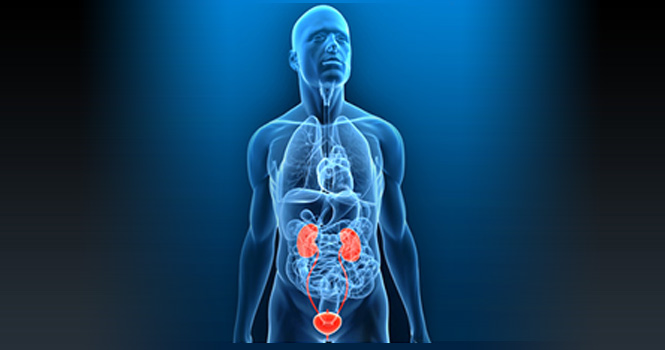
The urinary system (or renal system) is called as such since it’s the producer of urine (pee), the body’s natural by-product from the various metabolic processes. It also contains excess water the body doesn’t need.
It is composed mainly of the kidneys, ureter, bladder, sphincter muscles, and the urethra, which can differ in length between men and women (women have a shorter urethra than men).
The kidneys are the bean-shaped organs found on each side of the body and near the adrenal glands. Although small, they play a major part in the urinary system since they are the ones responsible for filtering toxins and other wastes from the body. They also help keep the electrolyte balance. The urine, which contains the toxins and excess water, then travels through the ureter, which is connected to the bladder.
The bladder can be likened to a balloon, which expands once urine starts coming in and, therefore, controls the elimination of urine. Once the bladder is full, the nerves found on the bladder walls send the message to the brain, so the body reacts and prepares itself for urination.
The urine then passes through the sphincter muscles, which are now relaxed, and into the urethra. It goes out of the vaginal opening or the penis.
The male reproductive system, on the other hand, is made up of the penis, scrotum, bladder, prostate, urethra, vas deferens, epididymis, and testicle. Unlike those of women, the male reproductive parts are more visible. The penis is where the sperm cells (male reproductive cells) are expelled during sexual intercourse or ejaculation. The scrotum is the small sac that hangs behind the penis. It is responsible for keeping the testes, which produce the sperm and the male sex hormones, in an ideal condition. The sperm produced by the testes travels to the epididymis, which stores and allows it to mature for fertilization and reproduction. Then, it goes through the vas deferens and into the urethra.

Causes of Condition

Here are some of the most common causes of urology problems:
  • Infection – Infection such as urinary tract infection (UTI) can happen to males though it’s more common among women. Harmful microorganisms such as bacteria can get into the body through the anus until they invade the urethra, making it painful to urinate. Although UTI is easy to treat, when left unmanaged, it can cause serious complications including septic shock that results in organ failure and death.
  • Obstruction – Kidneys, for example, can develop stones that may block the flow of urine to the bladder. Obstructions can also occur in the vas deferens and prostate.
  • Lifestyle factors – Obesity is currently one of the biggest threats on chronic kidney disease (CKD) risk. CKD is usually associated with elevated blood pressure and diabetes, which are also related to obesity. A person may suffer from CKD without any symptom. Unfortunately, once it’s discovered, it is usually already in the late or end stage.
  • Heredity – Polycystic kidney disease is an inherited disorder characterized by the presence of several fluid-filled sacs in the kidneys. They can multiply and grow large. They can also break causing severe bleeding and pain when urinating. They can damage the kidneys in the long run as they promote high blood pressure.
  • Diuretics or medications – Certain medications such as diuretics promote the production of urine, which may lead to excessive urination or incontinence. Some drugs can also be harmful to the kidneys in the long term.
  • Food – Alcohol and caffeine may also act as diuretics.
  • Congenital – Many abnormalities can affect the male genitalia such as micropenis and chordee (in which the penis’s head is curved either downward or upward).
  • Physiological – Male infertility can be caused by poor or low sperm production, ejaculation issues, and hormonal imbalances.
  • Unknown causes – Some disorders don’t have a definite cause. A good example is interstitial cystitis, which is also called painful bladder syndrome. Researchers point to an autoimmune disease, heredity, genetic defect, and infection as possible causes.

Key Symptoms

  • Difficulty of passing urine
  • Abnormal volume of urine (may be too much or too small)
  • Lower back (flank) pain
  • Pain in the lower abdomen
  • Fever
  • Passing off blood during urination (hematuria)
  • Pain during urination
  • Frequent urge to pass urine
  • Feeling of not emptying the bladder
  • Nausea and vomiting
  • Change of urine color and smell
  • Enlarged prostate
  • Urine leakage
  • Loss of bladder control (incontinence)

Who to See and Treatments Available

Renal problems can be diagnosed and treated by a urologist. Since the problems can also occur among children, parents can find one that specializes in pediatrics. Some urologists also master oncology and surgery.
Although both urologists and nephrologists deal with kidney problems, any issue about the male reproductive system is handled by a urologist.
There are many ways to diagnose a potential problem. One of the most effective and easiest methods is urinalysis, which can reveal any presence of blood, crystal deposits, or even stones, as well as bacteria that may be causing infection. Blood tests can reveal issues affecting the hormones. Ultrasound can also be helpful, as well as imaging tests such as CT and MRI, since they can reveal any blockages such as tumors or presence of cancer cells.
Treatments vary depending on the diagnosis. These include:
  • Surgery, which can remove blockages or diseased body parts such as kidneys (a person can live with one kidney only as long as it’s healthy), as well as correct abnormalities
  • Medications like antibiotics to treat infection, reduce inflammation, or treat the underlying disease that’s causing the urology problem
  • Radiation and chemotherapy for urology-related cancers
  • Reproductive-assisted methods for males who are having hard time to conceive due to sperm issues
  • Counseling for male who suffer from mental health issues that lead to premature ejaculation or erectile dysfunction
Many of the diseases can also be controlled or the risk reduced by lifestyle changes such as quitting smoking, eating a diet that’s low in fat and sodium, and exercising regularly.
SOURCE – DocDoc

Thursday, 3 January 2019

4 Habits That May Trigger Stomach Cancer


Stomach cancer is the fourth most commonly occurring cancers in the world. 1 million cases were reported in the year 2018. It begins in cells in the inner layer of the stomach and slowly invades the stomach wall. Some of the symptoms of stomach cancer include:
  • Nausea
  • Diarrhoea
  • Fatigue
  • Constipation
  • Low appetite
  • Bloating after meals
  • Sudden weight loss
  • Blood in the stool

    Types of Stomach Cancer

    Stomach cancer is categorized on the basis of the type of tissue where they originate from. The most common stomach cancer is adenocarcinoma, accounting for 90% to 95% of all stomach cancers, starts in the glandular tissue of the stomach. Among other forms of stomach cancer include lymphomas (originate in the lymphatic system) and sarcomas (involve the connective tissue such as muscle, fat, or blood vessels).

    Habits that Trigger Stomach Cancer

    Some of your daily habits can also contribute to the progression of stomach cancer. Here are 5 habits that can trigger stomach cancer:

    Irregular Diet

    People who eat at regular intervals are less likely to get this type of cancer than those who don’t. The stomach works better when we follow a fixed diet. Following a fixed diet helps the stomach to digest the food properly and does not damage the stomach. It is vital to stick to a fixed eating regimen for a healthy stomach.
    If you cannot stick to a strict eating pattern, then you can snack in between as it will not starve the stomach yet keep it healthy.

    Hot Food

    Hot food can be dangerous for your stomach because the digestive tract’s mucous membrane is not designed to handle food which is 50 to 60 degrees in temperature. This will cause a stomach burn and lead to pathological changes, thereby leading to stomach cancer. It is better to avoid consuming hot food as it only leads to a health hazard.

    Acidic Fruits

    When one gets hunger pangs that is when gastric acid reaches a high point and attacks the stomach. Eating acidic fruits such as lemon juice, blueberries, etc. on an empty stomach will definitely precipitate the problem. This can lead to a big lump in the stomach, thereby increasing the air pressure in the stomach and other symptoms start to show as well.
    SOURCE – OnlyMyHealth

Wednesday, 2 January 2019

How To Deal With Common Winter Health Issues


Even if you happen to be a fan of winter, you have to admit that it does come with a lot of baggage. When the temperatures fall, the risk of various health problems rise. Here’s are a few tips to deal with them.
1. Cold and flu
Winter is flu season, as we all know — this is likely because the flu virus spreads more easily via cold and dry air. In a recent report, several states were said to be experiencing elevated flu activity 
Getting vaccinated (it is never too late to get the flu shot, experts say) and practicing good hygiene are the most effective ways to reduce your chances of being infected. To keep your immune system in good shape, do stick to a healthy diet and get adequate exercise.
2. Dry skin
Flaky, itchy skin during the winter months is far from uncommon. While moisturizing skin products do the trick for many people, the rest of us need to take some extra steps to protect our skin.
If you your skin is highly prone to this problem, dermatologists recommend a few changes in your diet until the end of the season. Increasing your intake of healthy fats (walnuts, olive oil, and avocados) and reducing your intake of dehydrating beverages (alcohol or caffeinated drinks) may help.
3. Heart attack
For a very long time, experts have noticed an association between cold weather and a higher risk of heart attacks. Several possible factors could explain this such as the potential contraction of blood vessels as our body attempts to conserve heat and energy. This, in turn, can strain the heart of vulnerable individuals.
Besides keeping warm, the  Heart Association recommends that people be aware of heart attack warning signs, learn to perform CPR, and avoid any demanding physical activities such as shoveling snow.
4. Mood problems
Due to seasonal affective disorder, some people develop mood problems or find that their depression becomes more severe during the winter. Some symptoms include staying in bed for long periods, loss of appetite, weight gain, fatigue, and a loss of interest in activities.
Try to expose yourself to sunlight as much as possible as this is beneficial with regard to serotonin and melatonin levels. If your mood problems are severe, speak to a mental health care provider who may recommend therapy sessions or other forms of treatment.
5. Arthritis pain
“Winter tends to bring on more arthritic pains, an orthopedic specialist at the Amri Hospital. “Cold and wet weather, along with changes in barometric pressure, are the most frequent culprits.”
To ease any potential pains, it is important to wear enough layers and trap body heat as much as possible. Of course, accessories like scarves, mittens, beanies, and socks are essential for adequate protection when going outdoors. Small bouts of physical activity throughout the day can also help arthritis patients.
SOURCE – MedicalDaily

Tuesday, 1 January 2019

5 tips to stick to your New Year’s resolutions – Get healthy and fit in 2019


Bhubaneswar : January, 2019 marked the 5th anniversary month of AMRI Hospitals Bhubaneswar being operational in the State of Odisha. The Hospital, which has been serving mankind since its inception, celebrates the occasion with Special Packages to commemorate this milestone month.
AMRI Hospitals Ltd is the premier private healthcare provider of Eastern India. The Group takes care of around 3.5 lakh patients annually, offering more than 1000 beds across its four hospitals and conducting more than 15,000 successful surgeries, with a roster of more than 5,000 healthcare professionals. An impressive team of more than 600 doctors and a well-trained nursing staff force work tirelessly, backed by advanced technologies and latest equipment to save lives.
For the first time in Eastern India, it was the AMRI Group of Hospitals which introduced latest surgical technologies, advanced equipment, high-class facilities, and the competence to synergize all these elements. The growth of AMRI Hospitals has become historically significant in the region, as it paved the path for private healthcare with a corporate approach.
Since 2014, AMRI Hospitals Bhubaneswar has set one of the highest benchmarks in Healthcare services not only within State of Odisha but also in the Eastern part of the Country. In its journey towards emerging as a premier healthcare service provider, AMRI Hospitals , Bhubaneswar operated on the motto of not just doing things better than the others but to introduce a transformative experience altogether.
Mr. Rupak Barua, Group CEO, AMRI Hospitals Ltd said, “AMRI Hospitals, Bhubaneswar provides Tertiary level clinical care, backed by a multidisciplinary team of medical fraternity with the finest state-of-art-technologies available in Eastern India.”
Speaking on the occasion of 5th Anniversary of the Bhubaneswar Unit, Mr. CLN Reddy, Unit-Head and VP, AMRI Hospitals Bhubaneswar, said, “We have one of the most committed team of doctors, medical and paramedical staffs. We offer very competitive rates for our super specialty medical services as compared to other hospitals operating with similar facilities. From the management point of view, our endeavor has always been to offer our patients and their families a smooth coordination, transparency and a humane administration. The emphasis is on providing services at true value for money and total patient satisfaction, with a motto of Get Well Sooner. The Hospital’s internationally acclaimed consultants are attached on full time basis thus ensuring adherence to the highest standards of clinical service throughout the year.”
In observance to the 5th anniversary of AMRI Bhubaneswar, the healthcare provider has launched special packages in areas of Angioplasty, Angiography, Valve replacements, Knee& Hip Replacement offering highly attractive discount prices. The Hospital will also be celebrating every major ‘days’ related to healthcare in the year to spread awareness among general public about the ailments related to the concerned ‘day’ coupled with the launch of Special Health Packages on those specialties.
Continuing the legacy of the Group, AMRI Bhubaneswar is always committed in extending its support to the needy & privileged section of the society through efforts like offering special privileged cards to the Senior citizens and special treatments to the underprivileged patients as a part of its corporate social responsibility.
Apart from offering world class medical services, AMRI Group also strives to propagate transfer of knowledge and institute recent and advanced systems in the patient care and management.
AMRI Group has been organizing AMRICON over the years. AMRICON being a knowledge sharing platform has been organizing Programmes that cater to the medical fraternity at large. Various Seminars and medical courses are also undertaken to provide knowledge and experience about the medical developments and how to best use them in treating patients and in research purposes. The past editions of the National conference have delved into subjects ranging from Endospine, Gynecology, Neurology, Nuclear Medicine, Radiology, Critical Care, Gastroenterology, and Obstetrics, Medicine, Pediatrics and Surgery.

SOURCE: https://orissadiary.com/amri-hospitals-bhubaneswar-celebrates-5th-anniversary/