Showing posts with label best heart hospitals in Kolkata. Show all posts

Friday, 9 August 2019

Cardiovascular diseases might not be ‘silent epidemics’ anymore, AI has found a way

Our heart’s health is determined by several factors including its sound, beat, function, and so on. With the growing sophistication in data, patients seek the help of physicians for a quicker and personalized interpretation of the data.

Digital health technologies have already been introduced for promptness and efficiency in the personalized medicine but this can be further strengthened by the introduction of artificial intelligence in the medicine especially in cardiovascular health. Medical experts at AMRI Hospitals believe that advanced artificial intelligence, digital health technologies, and mobile devices can now transform the future of cardiovascular care by serving as a tool to detect and treat heart diseases.


Measuring heart sounds

Since cardiovascular diseases are slow in exhibiting symptoms, it has been quite challenging to detect them early, until the pocket-sized, user-friendly digital technologies came into existence. Till now there have been various fitness trackers and wearables for keeping track of our heart and overall health. With the optimization of these devices in the next couple of years, people will have their possible heart risks detected and prevented beforehand.

The development of digital stethoscope has touched new heights to the field of medicine. Eko Core, Littman and Clinicloud are one of the best digital stethoscopes in the market currently. They are smart, potable medical devices that let you measure heart rate and record heart and lung sounds and save them automatically in the app. They can also read temperature without any skin contact.

Introduction of nano-pacemakers is also another breakthrough in cardiology. The device is implanted inside the patient’s heart and sends electrical impulses whenever the patient’s heartbeat is slow. According to the research by AMRI Hospitals, Kolkata, nano-pacemakers are more effective than the traditional pacing systems.

Heart rate and blood pressure

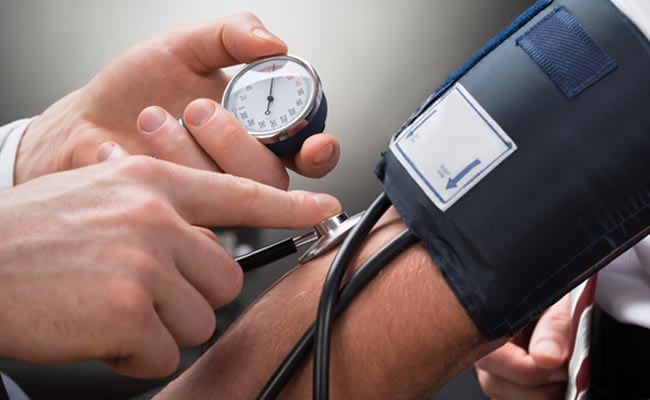
Up until recently, there was no way one could measure heart rate and sounds at home, though blood pressure cuffs were a common thing which could be found in any patient’s home.

Many companies are developing new smart devices, thus defying the ordinary fitness trackers and smartwatches. Patches are one of the latest trends. The VitalConnect’s patch senses and monitors eight physiological measurements including heart rate, variation in heart rate and respiratory rate.

Omro, a Japanese tech company introduced Omron HeartguideSmartwatch that can test hypertension and measure the risk of stroke while sleeping. Biobeat, an Israeli company, has been working on similar wearables that can monitor blood pressure, pulse rate, blood saturation, etc.

With the introduction of new portable wearables and patches that can monitor both heart and blood pressure, the blood pressure cuffs are likely to disappear in a few years’ time.

Besides, not only can AI help in detecting and preventing further heart diseases, but it can also detect fatty deposits in the heart arteries far more efficiently than conventional methods. Experts at AMRI Hospitals have reviewed that this helps in preventing heart attacks as they are usually caused by thickening of artery walls which results in blockage of blood flow.

Tuesday, 16 July 2019

When should you consider a cardiologist?

Heart disease is the leading cause of death worldwide. For people without known heart disease, it can be tricky to know when to see a cardiologist.

Here are 7 signs to look for:

Chest pain

Chest pain is one of the hallmark signs of a heart problem. While there are other causes of chest pain that are not related to the heart, chest pressure that occurs or worsens with activity is particularly concerning that the heart may not be getting adequate blood flow. As per AMRI Hospitals, cardiologist can help determine the cause and the appropriate treatment plan. Chest pain can also be a sign of a heart attack, which is a life-threatening emergency.

High blood pressure

Blood pressure is the force of the blood pushing against the artery walls. Chronically elevated blood pressure causes the heart to have to work harder to circulate the blood, and increases the risk of heart attack and stroke.

Shortness of breath, palpitations or dizziness.

These symptoms may be the result of abnormal heart rhythms or coronary artery disease. A cardiologist can determine if these are due to a heart condition.

Diabetes

There is a strong correlation between cardiovascular disease and diabetes. Poorly controlled blood sugar affects how your blood vessels function and greatly increases your risk for development of coronary artery disease. A cardiologist can work with your primary care physician and will help determine what treatment or prevention strategies can lower your risk.

Have a history of smoking

Smoking is one of the major preventable risk factors for heart disease and can contribute to high blood pressure and cancer risk.

Have a history of high cholesterol

Cholesterol is a fatty substance found in a number of food, and is also made by your liver. High cholesterol can contribute to plaque in the arteries. One of the ways you can lower your cholesterol is by eating a healthy diet. Your doctor may prescribe medications to treat cholesterol that also help to lower your risk of heart attack. Talk to your cardiologist about heart-healthy foods and monitoring your cholesterol to reduce chances of heart disease.

Chronic kidney disease

Kidney disease is tied to high blood pressure and arterial disease. A cardiologist can discuss how your condition affects your heart and help you reduce your risk for heart disease.

Saturday, 13 July 2019

5 Super foods for a healthy heart


Salmon
Salmon and other fatty fish such as sardines and mackerel are the superstars of heart-healthy foods. That's because they contain copious amounts of omega-3 fatty acids, shown in studies to lower the risk of arrhythmia (irregular heart beat) and atherosclerosis(plaque build-up in the arteries) and decrease triglycerides.

Oatmeal
Oatmeal is high in soluble fiber, which can lower cholesterol.

Blueberries
Not just blueberries, but strawberries and other berries as well. According to a 2013 study women aged 25 through 42 who ate more than three servings of blueberries and strawberries a week had a 32% lower risk of heart attack compared with those who ate less.

Dark chocolate
As per AMRI Hospitals, several studies have now shown that dark chocolate may benefit your heart, including one in 2012 that found that daily chocolate consumption could reduce nonfatal heart attacks and strokein people at high risk for these problems. The findings applied only to dark chocolate, meaning chocolate made up of at least 60-70% cocoa. Dark chocolate contains flavonoids called polyphenols, which may help blood pressure, clotting, and inflammation.

Citrus fruits
Citrus fruits are also high in vitamin C, which has been linked with a lower risk of heart disease. Beware of citrus juices that contain added sugar. And be aware that grapefruit productsmay interfere with the action of the cholesterol-lowering drugs known as statins.

Soy
Soy products, including tofu and soy milk, are a good way to add protein to your diet without unhealthy fats and cholesterol. Soy products contain high levels of polyunsaturated fats (good for your health), fiber, vitamins, and minerals. What's more, soy may reduce blood pressure in people who eat a diet high in refined carbohydrates. And compared with milk or other proteins, soy protein can actually decrease LDL or "bad" cholesterol.

Thursday, 11 July 2019

Top 5 ways to prevent cardiac arrest

1.Exercise
It is essential for you to keep your body going at all times. Exercising is the simplest way to ensure that. Exercise every day for just 15 to 20 minutes and that's good enough for your heart. Working out prevents plaque buildup in the arteries, thereby preventing cardiac arrest.
2. Eat right, eat healthy
Your diet is very crucial to your heart health. As per AMRI Hospitals, eating the wrong sort of food can land your heart in trouble. This includes the high cholesterol foods. Oily, sugary and high-carb foods are not good for your heart. They increase the bad cholesterol levels and clog the arteries, thereby preventing proper blood flow. Instead, stick to a diet high in fruits and veggies. These will make up for your nutritional requirements and will lower the risk of a cardiac arrest too.
3. Lose weight
If you are overweight or obese, it is important for you to lose weight. This is essential for your heart. Studies show that obesity is a risk factor for heart disease. So if your BMI is higher than normal, it is time for you to give up on unhealthy foods and stick to a healthier lifestyle which can help you lose weight. Try to cut down on your calorie intake and hit the gym regularly for achieving this goal.
4. Quit drinking and smoking
Smoking and drinking could increase your heart muscle and increase your blood pressure, which together contributes to a risk of suffering a cardiac arrest. In any form, tobacco should be avoided. Studies show that smokers are more likely to develop plaque in their arteries as compared to the non-smoking lot. So give up on these two extremely unhealthy habits, for the sake of your heart health.
5. Reduce emotional stress
Cut down on emotional stress, it is one of the major contributing factors responsible for a cardiac arrest. Try to avoid emotional stress as much as possible. Focus on things which make you happy and release your stress. 


Wednesday, 12 June 2019

AMRI Hospitals organizes a series of events for public health literacy and medical care

AMRI Hospitals has actively participated in community health-care and well-being. Organizing multiple events to create awareness about healthcare and treatments, AMRI Hospitals brings together both individuals and organizations to provide a national platform to help deliver medical aid. As people suffer healthcare challenges every day, AMRI Hospitals mainly stresses on timely care and preventive measures. The hospital works actively in favour of the community, emphasizing upon combatting threats and illnesses through various initiatives.


AMRI’s key event highlights this month took into account wide-ranging health issues that aimed at community-focused medical-care:

World No Tobacco Day– In the light of World No Tobacco Day, AMRI Hospitals provided expert medical consultation, along with a free pulmonary function test, to help people have access to effective medical screening, and better lung care.

Continuing Medical Education (CME) sessions:AMRI’s chain of hospitals hosted multiple CME sessions, where doctors and research professionals spoke about various healthcare issues, such as Neural Tube Defect, etc. The educational sessions saw participation of several students, as well as doctors.

Multiple free health check-up camps- In order to support its objective of collective community welfare, AMRI Hospitals organized free health checkup camps across Kolkata and other parts of Bengal. Senior doctors volunteered and conducted free consultations and checkups, benefitting numerous people through their services. The hospital regularly collaborates with several institutes to provide basic healthcare services.

AMRICON 2019- In an attempt to enhance treatment offerings for better cardiac care, AMRI Hospitals hosted their annual event, AMRICON 2019 that encouraged discussions on new drugs, treatments and screening possibilities in the field of cardiology.

Programme on bone health – Stressing upon the need to have healthy and sturdy bones, AMRI Hospitals–Saltlake organized a programme on bone care. The programmewas led by leading Orthopaedic surgeons.

Health talks- Communicating well with your doctor is imperative to good medical care. Therefore, AMRI organized a series of talks on various aspects of healthcare to support people and help them make smart choices in matters concerning their health and well–being.

AMRI Hospitals, best hospital in Kolkata has laid equal focus on providing premium healthcare services, along with increasing health literacy amongst the community. These events were organized to help local community members live healthier lives, and to reinstate AMRI’s objective to deliver aid to the community at all times.  

Monday, 10 June 2019

Essential Tips for a Healthy Liver

The liver is a wonderfully resilient and complex organ that nurtures and protects your body day in and day out. It helps neutralise and dispose of toxins, feeds your body the energy it needs to function, fights off viruses and infections, regulates sex hormones, cholesterol levels and vitamin and mineral supplies in your body. And that’s only some of its more than 500 functions.


The liver is the only organ that can regenerate itself, thus making it possible for one person to donate part of their liver to another person.

By learning more about your liver and how you can keep it healthy, you may actually help reduce your risk of developing not only liver disease but also other health conditions including diabetes and heart disease.

Top tips for a healthy liver
1) Reduce alcohol

We are often told that too much alcohol is bad for us, and you may have wondered when sipping a glass of wine or beer how alcohol affects your liver. Your liver can cope with drinking a small amount of alcohol. However, the liver can only handle a certain amount of alcohol at any given time, so if you drink more than the liver can deal with by drinking too quickly, or drinking too much over a short period of time, the liver cells (hepatocytes) struggle to process it.

2) Maintain a healthy weight

Research has demonstrated that more than 70 per cent of Irish over-50s are either overweight or obese. Of those classed as obese, approximately 30 per cent will have fatty liver disease or non-alcohol fatty liver disease, putting them at high risk of liver scarring (cirrhosis), liver failure and liver cancer.

3) Avoid fad diets

Fad diets that make your weight yoyo can put excessive stress on your liver. Avoid any products that promise large amounts of weight loss in an unrealistically short period of time. Aim to lose weight at a healthy rate of ½kg-1kg per week. Liver cleansing and detox diets should also be avoided. Contrary to popular belief, no particular diet is liver cleansing, but a healthy diet improves well-being, suggested by AMRI Hospitals consultants.

4) Be aware of drug safety

With easy access to health information via the internet, you may be tempted to self-diagnose and treat your own health problems. But by not consulting a doctor, you may be putting yourself at risk for potentially hazardous side effects that can result when certain medications and/or supplements are combined. As the main organ that detoxifies most drugs, herbal remedies and vitamins, the liver is vulnerable to the toxic consequences of self-medicating.

Tuesday, 26 February 2019

AMRI Hospitals becomes the Official Health Partner of AIFF 4-Nation Women’s Gold Cup 2019

In a bid to extend its support to the iron-clad women football team of India and raise healthcare awareness, AMRI Hospitals,has become the official health partner of AIFF 4-Nation Women’s Gold Cup 2019.
The 7-day women’s football tournament has been organized by the All India Football Federation (AIFF) in Bhubaneswar, in association with the Odisha government. The 4-nation competition will see the women’s national teams from India, Iran, Myanmar and Nepal lock horns with each other. Having started on 9th February, the final match of the competition was held on February 15.
“The tournament is meant to provide an opportunity to the Indian team to face other teams in a competitive format. This will warm up the teams ahead of the upcoming Tokyo Olympic Qualification Round 2,” said AIFF General Secretary, Kushal Das.
This is not the first time AMRI Hospitals has committed to play a role in making an event successful. It was also the Official Health Partner of ‘Clash of the Legends’, a football match between FC Barcelona Legends and Mohun Bagan AC, aimed at contributing to the globalization of the Barça brand and its values.
Apart from this, special medical checkups, walkathons, social media awareness campaigns, initiatives supporting cancer awareness, etc., are some of the efforts made by AMRI to serve the people of Odisha.
Recently, AMRI Hospitals, Best hospital in Bhubaneswar celebrated its 5th anniversary by offering special packages at great discounts.
By partnering the 4-Nation Women’s Gold Cup, AMRI has also reinforced the need to support women in every facet of life, and sports is no exception. All the matches of the tournament were telecast live on Hotstar, enabling fans to watch international women’s football from anywhere.

Saturday, 23 February 2019

5 health tips to prepare yourself for onset of summer

Picture


As winter starts to give way to the spring, people struggle to keep pace with the seasonal transition and the potential health risks posed by the change.
The onset of a new season can be tricky; it can call for a change in routine, a revamped diet, and a new exercise regimen that suits the weather.
Eat light and healthy: Your body will require a constant supply of water and fluids to sustain through the rough weather. Heavy meals with large amounts of carbohydrates and fats give rise to a lot of heat in the body. A natural way of staying hydrated is ample intake of fruits and vegetables that have high water content — oranges, watermelon, tomatoes, etc. This helps balance your core body temperature and keeps diseases at bay. It also helps hydrate the skin and keep it supple.
Gear up for summer: The Indian summer is known for its high temperatures and humidity, which can make you feel uncomfortable and stuffy. Wearing light and breathable fabrics is an effective way to beat the heat. Natural fabrics such as cotton, silk, and linen are much better than synthetic fabrics.
Embrace the radiance of the Sun: Post the shivers and heavy woollens of winter, the sun will finally invite you to bask in its warm glow. As sunlight is one of the best sources of Vitamin D, use this opportunity to exercise or eat outdoors in the morning. It is advisable to soak in the sun rays early in the morning, as this can be a great way of starting your day on a fresh and rejuvenating note. Wear clothes that enable your skin to be exposed to the sun.
Ensure regular and undisturbed sleep: While air conditioners have reduced the discomfort significantly, sleep patterns can still take a hit in the hot, humid weather.
Be prepared for summer infections: Most people suffer from ailments such as common cold, sore throats, and viral infections in summer because of the heat and dust, Consult doctors at Amri Hospitals, best hospital in Bhubaneswar  . While a preventive care approach is imperative, being prepared to face an unexpected disease is equally important. It is advisable to keep a cold balm as part of your first aid kit, as it eases the symptoms of common cold and is easy to carry around. Use one that contains ingredients like camphor oil, mint extracts, nutmeg oil, and turpentine oil, as they help provide quick, symptomatic relief from common cold.


Monday, 31 December 2018

Efficient weight loss tips to maintain healthy lifestyle, know more


Slimming down isn’t fun, but it doesn’t have to be hell. To lose extras kilos from your body to get in shape doesn’t always mean strict gym-ing, there are actually a few smart strategies that work.
While some people believe that staying in shape is no mean job as people often find that they quickly regain the weight that they had shed after a rigorous regime of dieting or exercise. Eating a diet low on carbohydrates may, however, help them maintain weight loss, new research has found.
This is because eating fewer carbohydrates increases the number of calories burned, said the study published in the journal BMJ.
For the study, the researchers from Boston Children’s Hospital in the US enrolled 234 overweight adults aged between 18 and 65 to an initial weight-loss diet for about 10 weeks.
Of these, 164 achieved the goal of losing 10 to 14 per cent of body weight.
The participants were then randomized to follow high, moderate or low-carbohydrate diets for an additional 20 weeks with carbs comprising 60, 40 and 20 per cent of total calories, respectively.
The results showed that over the 20 weeks, calories burned was significantly greater on the low-carbohydrate diet versus the high-carbohydrate diet.
At the same average body weight, participants who consumed the low-carb diet burned about 250 kilo calories a day more than those on the high-carb diet.
SOURCE – IndiaTV

Monday, 15 October 2018

Are you looking for a heart transplant? Here is all you need to know about this lifesaving surgery

Heart transplant is a life-saving surgical method, wherein a damaged heart is replaced with a healthy one. The heart is removed from a brain-dead donor to give a new lease of life to the patient suffering from a bad heart.
Heart transplant is a big decision, which is the last option taken in extreme cases, suggest doctors at AMRI Hospitals, one of the best heart hospitals in Kolkata. A team of doctors makes sure that the heart is healthy enough to undergo a transplant, before taking the big decision.
Drake surprises young fan in need of heart transplant

WHO NEEDS A HEART TRANSPLANT?

When other treatments are deemed ineffective by the doctors and the heart muscles are failing to pump blood throughout the body, heart transplant is the only option that can save the lives in such cases.
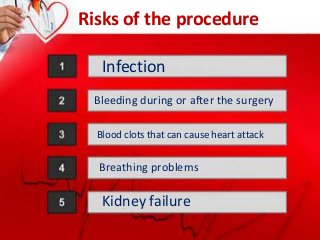
What are the risks of a heart transplant?

WHAT ARE THE RISKS OF A HEART TRANSPLANT?

Every surgery is vulnerable to complications. Some of the risks associated with heart transplant are:
  • Infection
  • Bleeding during and after the surgery
  • Blood clotting
  • Breathing Problem
  • Kidney failure
  • Death
A human body may or may not accept a new heart, which depends on the immune system of patients. The bodycan either attack a new thing or allow it to survive with the help of medicines.

HOW TO GET READY FOR A TRANSPLANT?

According to the medical practitioners at AMRI Hospitals, best hospital in Kolkata every person is not eligible for a heart transplant, and it requires a lot of evaluation to know if the transplant can be done. The transplant evaluation process includes:
  • Blood tests
  • Psychological and social evaluation
  • Diagnostic tests
  • Vaccination
All the information is taken into consideration, before anything is finalized by the team of the doctors. Furthermore, the doctors explain the complete procedure to the patient. Some medicines are given to the patients to feel better. Other specific preparations may also be required, depending on the health condition of the patient. Visit you are nearby heart hospital for more details.

HOW IS HEART TRANSPLANT DONE?  

It requires an open heart surgery. However, the procedure can vary, depending upon the condition of the patient and the doctor’s expertise. In a normal procedure, the surgeon makes an incision into the chest of the patient and separate the chest bone, before opening the rib cage of the patient. After that, the damaged heart is removed and the donor heart is put in its place. All the major blood vessel are attached to the new heart and it immediately starts beating when the blood flow is restored.

PROCEDURE AFTER HEART TRANSPLANT 

A patient will need to stay in the Intensive Care Unit (ICU) after the surgery. After a few days, the patient is moved to a regular hospital room for around 2 weeks. He is continuously monitored by doctors for any signs or symptoms. The patient also needs to go for several follow-ups and regulars tests, as it is important to see if the body is accepting the new heart, explain doctors at AMRI Hospitals, one of the best heart hospitals in Kolkata
Several instructions are also given to the patient for rehabilitation. When the doctor deems the patient fit, all the surgical staples are removed. Initially a lot of medicines are required by the patient, but the dose decreases with time.Some of the medicines are likely to be advised to the patient for the rest of his life.

Thursday, 27 September 2018

Raise Heart Care Awareness Campaign on Twitter #BeatTheRisk

Heart health is cumulative and builds or deteriorates over years. Fortunately, an at-risk person can fix their heart health by following some simple habits like exercising, quitting smoking, and following a healthy diet.


At AMRI Hospitals, we provide compassionate care and comprehensive consultation to heart patients - keeping their health in check and managing risk with affordable tests. On this World Heart Day, Let's pledge for a healthier heart with AMRI and raise Heart care awareness campaign on Twitter with Hashtag #BeatTheRisk

Also AMRI Hospital, Bhubaneswar in Odisha invites you to a walkathon and a FREE health screening camp on 29th September. Be a part of an aware today for a healthier tomorrow.

Over the years, we have focused on providing the best services to our patients, both in terms of cardiac diagnosis and professional treatment.Whether it's in broad daylight or in the dead of the night, AMRI aims to provide prompt cardiac care in the patients' hour of need.
Check out our heart care packages and discounts on AMRI Hospital, the best heart care hospital in Kolkata, Eastern India.
All the offers are valid from 20th September to 20th October 2018. Visit your nearby AMRI Hospitals today.
For apoointments call +917682832004
Branches in Kolkata: Mukundapur, Dhakuria, Saltlake and Southern Avenue
Brnach in Odisha: Bhubaneswar

Suffering From High Blood Pressure? Control It With Basic Lifestyle Changes #BeatTheRisk


Blood pressure is the pressure of blood on the walls of arteries, as the heart pumps it around the body. It is a vital part of how the heart and circulation works.
The blood pressure of a normal person naturally goes up and down, adjusting to the need of the heart, explain doctors at AMRI Hospital, best hospital in Kolkata Kolkata. It depends on the activity one is performing. High blood pressure is when the blood pressure of a person is persistently higher than normal. A blood pressure reading under 120/80mmHg is considered ideal.
On the other hand, readings over 120/80mmHg and up to 139/89mmHg is in normal to high normal range. The medical name for high blood pressure over a long period of time is hypertension.
Blood pressure that remains high over a long time is one of the main risk factors for heart diseases. With age, the chances of having high blood pressure increase. However, the same can be controlled with medication and lifestyle changes.
It’s It is very important to get the your blood pressure checked regularly. If the blood pressure is persistently high, it needs to be controlled, suggest medical practitioners at AMRI Hospital. Uncontrolled high blood pressure can lead to a heart attack or stroke. It may affect the kidneys as well.
Around 1.5 million people die every year in South East Asia due to high blood pressure. The number of people with high blood pressure across the world has nearly doubled in the last 40 years. India is home to about 200 million adults with high blood pressure. The number of people in the world with high BP has reached a whopping 1.13 billion in the recent times.
According to a study, high blood pressure can be controlled with some lifestyle tips that are not very difficult to follow. The first of which is maintaining a healthy weight. Blood pressure usually targets an overweight person. So, if a person is overweight, he must lose some weight to control the blood pressure.
On the other hand, diet also plays a very important role in controlling the blood pressure. Eating low-fat dairy products, fresh fruits and vegetables can do wonders to your health. Limiting the sodium to 2400 milligrams per day can also lower the pressure, which is not much difficult to incorporatefollow.
Apart from this, exercise and other physical activities are important to keep the blood pressure in control. It is also important to avoid alcohol, as it is responsible for increasing the blood pressure. The dDoctors at AMRI Hospital in Kolkata, best heart hospital in Kolkata recommend following these lifestyle tips on a regular basis to avoid high blood pressure from shooting up. A person will never get the desired results, if he/she is not able to change the lifestyle as per the needs of the body.

Wednesday, 26 September 2018

Types of Heart Disease #BeatTheRisk


Cardiovascular disease is the leading cause of death in the United States. More than 62 million Americans have some form of cardiovascular disease. At Covenant HealthCare, we want to see individuals live a long and healthy life. That’s why we’re working hard to tackle the issue of heart disease here in mid-Michigan.
There are many different types of heart disease. Some are congenital (people are born with heart problems), but a majority of heart diseases develop over the course of time and affect people later in life. You’ll find some of the most common heart diseases listed below.
Coronary Artery Disease
Blockage in the coronary arteries is called coronary artery disease—a condition in which the heart muscles don’t get enough blood and oxygen. The most serious effect of coronary artery disease is sudden death without warning. This usually happens in individuals who have had heart attacks or other heart damage.
Silent Ischemia
A form of coronary artery disease in which the blood flow to the heart muscle is reduced but produces very little pain or symptoms. When discomfort is experienced, it is usually during physical exertion.
Angina
Angina is discomfort or pain that occurs when your heart is not getting enough oxygen and nutrients. Angina may be caused by a narrowing of the arteries or muscle spasms in the coronary arteries. These spasms may be induced by cigarette smoke, cold temperatures, strong emotions, and other sources. It is important to note that angina isn’t a heart attack and doesn’t usually cause permanent heart damage, even though it causes pain.
The causes of angina are generally atherosclerosis or coronary artery spasm. Angina is not the same for everyone. While it usually occurs when the heart is working harder than normal, such as after a meal or during physical or emotional stress, it can also occur when resting.
Traditionally, angina occurs primarily in the chest and radiates down the left arm. However, it can be any discomfort that radiates in the chest, across the shoulders, in the upper back, arms (both left and right), neck, throat, or jaw.
Symptoms of Angina
  • Aching
  • Burning
  • Cramping
  • Discomfort
  • Fullness
  • Heaviness
  • Indigestion
  • Numbness or Tinging
  • Pain
  • Pressure
  • Shortness of Breath
  • Sweating or Dizziness
  • Squeezing
  • Tightness
If you experience any of the symptoms above:
  • Stop your activity, sit or lie down, and relax.
  • Take a nitroglycerin (NT6) tablet or use NTG spray as prescribed by your physician.
  • Be sure to notify your physician if these symptoms increase in frequency or severity but are not so severe that you feel the need to go to an emergency room.
If angina lasts longer than 15 minutes or worsens, call 911 or get to a hospital emergency room immediately. Never drive yourself.
Heart Attack (Myocardial Infarction)
Part of the heart muscle can be damaged or die as a result blood flow is blocked. If the blockage is brief, and the heart eventually receives enough blood, oxygen, and nutrients, the damage is often reversible. This is why it is especially important for the heart attack victim to get medical help fast.
Warning signs of a heart attack include:
  • Heavy feeling, pressure, or intense pain or squeezing in the chest that lasts for more than a few minutes.
  • Lightheadedness or fainting
  • Nausea or vomiting
  • Pain that radiates to the shoulders, neck or arms.
  • Profuse Sweating
  • Rapid heartbeat
  • Shortness of breath
  • Severe weakness
If you experience any symptoms for more than 15 minutes and believe they are heart related, call 911 or have someone get you to the nearest emergency room as soon as possible.
Heart Failure
Heart failure happens when the heart isn’t pumping enough blood to meet your body’s needs. While many people believe the misconception that heart failure means an individual is about to die or that their heart has stopped, this is not true. Heart failure simply indicates that the heart is not squeezing as well as it should. It usually does not occur suddenly but gradually worsens over the time.
Heart failure can be caused by:
  • Cardiomyopathies (diseases that damage the heart muscles)
  • Coronary Artery Disease
  • Diabetes
  • Diseases of the Heart Valves
  • Heart Defects present at Birth
  • High Blood Pressure
  • Lung Disease such as Emphysema
  • Past Heart Attacks
If you have the following symptoms of heart failure, please see a doctor immediately:
  • Fluid which builds up in the lungs, known as pulmonary congestion
  • Swelling in the feet, ankles or legs, known as edema
  • Other symptoms may include wheezing, sleep apnea, cough, and fatigue
Arrhythmia
Sometimes the heart’s electrical system does not function normally. It may race, become slow, irregular, skip beats or sometimes the heart’s electrical signal does not move in the proper sequence. This causes the heart to beat faster or slower than normal, or erratically. These abnormal rhythms are called arrhythmias. They can cause a variety of symptoms: dizziness, fainting, fatigue, shortness of breath and chest pain or rapid palpitations that may feel like flutters or pounding of the heart. If left untreated, arrhythmias can be life threatening.
There are four major types of arrhythmias:
  • Bradycardia: Occurs when the heart’s electrical signal is delayed too long or blocked, resulting in a slower than normal heartbeat. If it happens only once in a while, bradycardia is not a problem. However, if it continues over a long period of time, the body will not receive an adequate blood supply, which can be very serious. Heart disease and some drugs can cause bradycardia, and a physician should evaluate it to determine if treatment is required. Treatment can include a pacemaker to make sure the heart beats at a normal rate and/or discontinuing a mediation.
  • Irregular or extra heartbeats: Even people with excellent health have irregular or extra heartbeats every once in a while. In some cases, irregular or extra beats can lead to rapid heartbeats.
  • Ventricular Tachycardia (VT): Occurs when the heart’s electrical signal begins in the ventricles (lower chambers of the heart) and the heart beats too rapidly. When the ventricles pump too fast, they cannot deliver enough blood to the body. In some cases, VT can create a very rapid, erratic heartbeat (ventricular fibrillation), or cardiac arrest. If VT lasts for only a second or two, it may not be noticed and probably will not cause any serious problems. However, if it lasts longer, it can be very serious and should be evaluated by a physician.

Poor blood supply to the heart, diseases of the heart valves or chemical imbalances in the body can cause VT. It often occurs during or after a heart attack. No matter how long it lasts, a physician must evaluate it. Normal heartbeat can be restored with electrical shock treatment (the paddles). Long-term control of VT may require an implanted defibrillator and/or medication.
  • Supraventricular Tachycardia (SVT): Occurs when the heart’s electrical signal begins above the ventricles (the lower chambers of the heart) causing the heart to beat very rapidly or erratically. As a result, the heart is strained, and the body receives an inadequate blood supply. There are three types of SVT – Atrial flutter, Atrial fibrillation and Paroxysmal SVT. A number of underlying conditions can lead to SVT. Medication and/or electrical shock treatment (cardioversion) can restore normal heartbeat. To prevent recurrences, additional treatment and medication may be necessary.

Several diagnostic tests are available to identify arrhythmias including an electrocardiogram (ECG), Holter Monitor, a stress test, a tilt table test, and/or sometimes an electrophysiology study (EP) if necessary. In addition, if an arrhythmia is not revealed with routine testing then an implantable loop recorder may be indicated.
Heart Defects
An obstruction is a heart defect that partly or completely blocks the flow of blood. Obstructions called stenosis can occur in the heart valves, arteries or veins.
  • Aortic stenosis
  • Bicuspid aortic valve
  • Mitral valve prolapse
  • Pulmonary stenosis
  • Subaortic stenosis
Peripheral Arterial Disease
Like the heart, all tissues of the body need oxygen and other nutrients to survive and work. Fatty plaques or atherosclerosis can also affect arteries that supply oxygen-rich blood to other areas of the body. For example, peripheral arterial disease (PAD) occurs when the flow of oxygen-rich blood to the legs and feet is blocked or decreased. This blockage in the vessels deprives the feet and legs of oxygen and nutrients, and produces symptoms usually in the thigh, calf muscle and feet.
Symptoms of PAD
  • Brown spots on the skin
  • Changes in color of the skin on the leg: foot goes from pink to blue
  • Coldness
  • Loss of hair on the lower leg
  • Numbness and tingling
  • Pain or cramping after walking short distances
  • Slow healing of wounds
  • Swelling
  • Ulcers
Visit the best cardiac care in Kolkata for more details.

Tuesday, 25 September 2018

7 tips from a dietitian on how to prevent a stroke

Your eating habits play a huge part in determining your risk of suff
ering a stroke. Here is how you can lower your risk.

September is Heart and Stroke Awareness Month in South Africa. According to the Heart and Stroke Foundation South Africa, 10 people in South Africa suffer a stroke every hour of the day.
While your stroke risk is most likely geneticallydetermined, you can still reduce the odds by making changes to your lifestyle and diet. Our nutrition expert Nicola Walters tells us more.
1. Choose the right carbs
Not all carbohydrates are equal when it comes to stroke and cardiovascular disease prevention.
Foods high in fibre, wholegrains, fresh fruit and vegetables are all great examples of healthy, unrefined carbohydrates. Nutrient-poor and processed refined carbohydrates such as cooldrinks, sweets, chocolates, ice-cream, potato chips, refined grains and sugary, floury baked products should be avoided as much as possible, as consistently high blood glucose levels damage the arteries of the brain and heart.
whole grains
2. Watch your weight
A significant amount of evidence shows that excess body weight profoundly increases your risk of stroke and cardiovascular disease. Fat stored around the stomach area is especially dangerous.
The good news, however, is that according to the Academy of Nutrition and Dietetics (2016), weight loss of only 10% of current body weight achieved in a period of six months can significantly reduce your stroke risk. According the American Heart Association, you should aim for achieving a waistline of less than 102cm if you are a man and 88cm if you are a woman.
woman on scale
3. Give up those habits 
Smoking and excessive drinking both increase your risk of having a stroke. Smoking speeds up the formation of clots in the arteries, and stopping smoking is one of the most powerful lifestyle changes that will reduce your risk. Several studies have shown that if you have more than two drinks per day, your risk of stroke increases significantly.
smoking and drinking
4. Cut back on the salt 
Globally, approximately 1.65 million annual deaths due to cardiovascular disease are partly caused by sodium intake exceeding 2g per day. High sodium intakes increase water retention in the body, which increases the volume of blood, making blood pressure skyrocket. High blood pressure increases the risk of stroke and cardiovascular disease risk.
According to the Heart and Stroke Foundation of South Africa, most South Africans consume twice as much salt as they need – accumulating to approximately six to 11g per day. It is advised that adults consume less than 2 400mg sodium, i.e. less than 5g (one teaspoon) of salt a day.
Reduce your salt intake by not adding salt to food, cutting down on salty snacks such as potato crisps, and reducing your intake of processed foods. In addition, avoid adding salt to cooking by using a variety of herbs and spices, such as lemon, garlic, ginger, rosemary, cumin, thyme and curry spices, to flavour your food.
woman pouring salt on pizza
5. Try the Mediterranean diet
The Mediterranean dietary pattern is a first-class ticket to reducing your risk for stroke and cardiovascular disease risk. The traditional Mediterranean diet is characterised by a high intake of olive oil, fruit, nuts, vegetables, legumes and whole-grains; a moderate intake of fish and poultry; and enjoying wine in moderation with meals.
Importantly, a minimal intake of processed foods high in sugar and unhealthy fats – i.e. sweets, chocolates, bakery items, processed meats, red meat and dairy – is one of the main characteristic of a Mediterranean eating pattern.
healthy foods on Mediterranean diet
6. Get moving
Regular physical activity is critical for lowering your stroke risk. Exercise contributes to weight management and can assist in lowering blood pressure and cholesterol levels. According to the World Health Organization (WHO), this should add up to a minimum of 150 minutes of moderate aerobic activity per week.
Research shows that exercise alone is a powerful way to reduce stroke risk. Make sure exercise is fun and keep yourself accountable by setting up a session with a friend or trainer. Focus on including more movement in your daily activities such as taking the stairs instead of the elevator and enjoying a brisk walk whenever you can.
women doing exercise
7. Choose whole, fresh foods
A high intake of fresh fruit and vegetables is associated with a reduced risk of stroke and cardiovascular disease. These plant powerhouses in their unadulterated form are excellent sources of vital nutrients such as vitamins; minerals (like magnesium and potassium); fibre; and phytonutrients (the colour pigments in fruit and vegetables that act as antioxidants). These food options are naturally low in fat and don’t have undesirable additions like sugar and salt.
The South African Food Based Dietary Guidelines advise us to include plenty of fruit and vegetables in our diet. The WHO recommends 400g of fruit and vegetables per day (five servings of 80g each). The American Heart Association also emphasises the importance of a healthy, balanced diet.

SOURCE: Health24.com