Showing posts with label best cardiac care in kolktata. Show all posts

Sunday, 28 July 2019

What you need to know about hypertension as you start ageing


Blood pressure is the force of blood against the inner walls of your arteries. It has normal fluctuations throughout the day falling when you’re relaxed or asleep, rising naturally in the morning, and increasing temporarily when you’re under stress, excited or exercising.
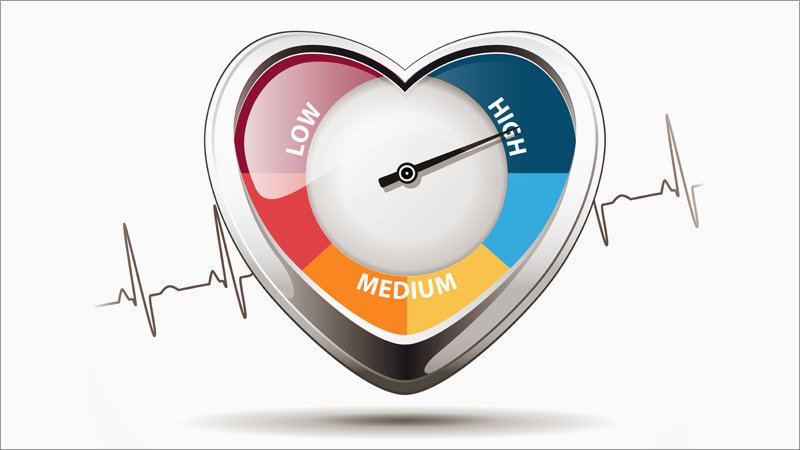
But when your resting blood pressure level rises too high, it can scar, stiffen and/or weaken blood vessels. This effect can double your risk for a heart attack; quadruple your odds for a stroke; raise your risk for heart failure, vision loss, kidney problems, dementia and circulation problems such as peripheral artery disease (which causes pain in your legs) and weaken your bones.

You may be at an increased risk for high blood pressure if you smoke, are overweight, eat a diet that’s low on produce and fiber and/or high in fat and salt, drink alcohol to excess, live with chronic stress or don’t get much physical activity.

A healthy lifestyle is a strong shield against high blood pressure and its damaging effects.
AMRI Hospitals lists these steps that can lower your risk and also help lower your numbers if you already have pre-hypertension or hypertension.
1. Lose a little weight. Excess weight—and especially excess fat stored in your abdomen—can raise blood pressure by increasing your blood volume and by changing the balance of pressure-regulating hormones.
2. Cut back on alcohol. “Moderating alcohol is very important. If you are a man who has more than two drinks a day or a woman who has more than one drink a day, cut back.” While a little alcohol may relax arteries, too much seems to have the opposite effect.
3. Move more. Exercise and other kinds of physical activity help keep arteries flexible and also reduce activity in the sympathetic nervous system, which can tighten blood vessels and boost blood pressure. If you already have high blood pressure, regular exercise alone could lower your numbers by 8 to 10 points.
4. Feed healthy blood pressure. The minerals calcium, magnesium and potassium (found in low-fat and fat-free dairy products, such as milk and yogurt, as well as in produce and dried beans) help your body regulate blood pressure. Too little can raise your blood pressure. So can high amounts of sodium—found in many processed foods—by making your body retain water (which boosts blood volume) and even tightening small blood vessels. Saturated fat (found in meat, cheese, butter, full-fat dairy products and many processed foods) may also raise blood pressure.
5. Quit smoking. Smoking damages arteries and raises the risk of heart disease. While you’re having a cigarette, the chemicals in tobacco products elevate blood pressure too.
6. Soothe stress. It’s not clear whether mind-body therapies have a lasting effect on blood pressure or reduce the risk, but it is known that the body’s stress response releases hormones that temporarily raise blood pressure. You’ll feel better, and find it easier to make other healthy changes, if you regularly practice a stress-soothing technique such as breathing exercises, progressive relaxation and fitness activities. One technique, meditation, has been shown to reduce the risk for heart attacks and strokes in people with high blood pressure.

Tuesday, 16 July 2019

When should you consider a cardiologist?

Heart disease is the leading cause of death worldwide. For people without known heart disease, it can be tricky to know when to see a cardiologist.

Here are 7 signs to look for:

Chest pain

Chest pain is one of the hallmark signs of a heart problem. While there are other causes of chest pain that are not related to the heart, chest pressure that occurs or worsens with activity is particularly concerning that the heart may not be getting adequate blood flow. As per AMRI Hospitals, cardiologist can help determine the cause and the appropriate treatment plan. Chest pain can also be a sign of a heart attack, which is a life-threatening emergency.

High blood pressure

Blood pressure is the force of the blood pushing against the artery walls. Chronically elevated blood pressure causes the heart to have to work harder to circulate the blood, and increases the risk of heart attack and stroke.

Shortness of breath, palpitations or dizziness.

These symptoms may be the result of abnormal heart rhythms or coronary artery disease. A cardiologist can determine if these are due to a heart condition.

Diabetes

There is a strong correlation between cardiovascular disease and diabetes. Poorly controlled blood sugar affects how your blood vessels function and greatly increases your risk for development of coronary artery disease. A cardiologist can work with your primary care physician and will help determine what treatment or prevention strategies can lower your risk.

Have a history of smoking

Smoking is one of the major preventable risk factors for heart disease and can contribute to high blood pressure and cancer risk.

Have a history of high cholesterol

Cholesterol is a fatty substance found in a number of food, and is also made by your liver. High cholesterol can contribute to plaque in the arteries. One of the ways you can lower your cholesterol is by eating a healthy diet. Your doctor may prescribe medications to treat cholesterol that also help to lower your risk of heart attack. Talk to your cardiologist about heart-healthy foods and monitoring your cholesterol to reduce chances of heart disease.

Chronic kidney disease

Kidney disease is tied to high blood pressure and arterial disease. A cardiologist can discuss how your condition affects your heart and help you reduce your risk for heart disease.

Thursday, 11 July 2019

Top 5 ways to prevent cardiac arrest

1.Exercise
It is essential for you to keep your body going at all times. Exercising is the simplest way to ensure that. Exercise every day for just 15 to 20 minutes and that's good enough for your heart. Working out prevents plaque buildup in the arteries, thereby preventing cardiac arrest.
2. Eat right, eat healthy
Your diet is very crucial to your heart health. As per AMRI Hospitals, eating the wrong sort of food can land your heart in trouble. This includes the high cholesterol foods. Oily, sugary and high-carb foods are not good for your heart. They increase the bad cholesterol levels and clog the arteries, thereby preventing proper blood flow. Instead, stick to a diet high in fruits and veggies. These will make up for your nutritional requirements and will lower the risk of a cardiac arrest too.
3. Lose weight
If you are overweight or obese, it is important for you to lose weight. This is essential for your heart. Studies show that obesity is a risk factor for heart disease. So if your BMI is higher than normal, it is time for you to give up on unhealthy foods and stick to a healthier lifestyle which can help you lose weight. Try to cut down on your calorie intake and hit the gym regularly for achieving this goal.
4. Quit drinking and smoking
Smoking and drinking could increase your heart muscle and increase your blood pressure, which together contributes to a risk of suffering a cardiac arrest. In any form, tobacco should be avoided. Studies show that smokers are more likely to develop plaque in their arteries as compared to the non-smoking lot. So give up on these two extremely unhealthy habits, for the sake of your heart health.
5. Reduce emotional stress
Cut down on emotional stress, it is one of the major contributing factors responsible for a cardiac arrest. Try to avoid emotional stress as much as possible. Focus on things which make you happy and release your stress. 


Monday, 8 July 2019

Tips to a healthy heart


  1. Eat mostly plants. Adopting a plant-based diet can have a huge effect on the health of your heart. Because a vegetarian diet is typically lower in cholesterol, excess protein and saturated fat, and higher in fiber, it is a natural component of a healthy heart. Read this month’s Feature Article for further information about the correlation between meat eating and heart disease.
  2. Reduce your fat intake to 10% of your daily calories. That is generally about 25-35 grams of fat. Especially limit saturated fats, trans fats (hydrogenated oils), and cholesterol.
  3. Consume whole, unrefined plant foods such as fresh fruits, vegetables, whole grains and legumes. These foods are high in essential nutrients such as vitamins and minerals and are high in fiber, which is absolutely essential in reducing and maintaining blood cholesterol levels.
  4. Reduce your sodium intake. An immensely important step you can take toward heart health is limiting the amount of processed foods in your diet. Processed foods such as canned foods, microwavable meals, baked goods, and meat tend to contain a lot of salt and are therefore the biggest contributors to a high sodium diet.
  5. Manage your weight. Being overweight greatly increases your chances of coronary heart disease.
  6. Don’t smoke! Cigarette smoking is a major cause of coronary heart disease. A decision to stop smoking is a decision to drastically reduce your risk of heart attack.
  7. Exercise. The heart is a muscle and like any muscle, it needs to be exercised to stay fit and effectively circulate your blood through your body. 
This month, make a conscious decision to improve the health of your heart. Your heart will thank you for years to come!

For more info visit - https://www.amrihospitals.in/

Wednesday, 8 May 2019

Cardiac Issues In Women


Many cardiac issues are found in women. A major cardiac issue is the threat of heart disease. But becoming aware of symptoms and risks unique to women, as well as eating a heart-healthy diet and exercising, can help protect you. Heart disease is the most common cause of death for women. Some heart disease symptoms in women may be different from men. Fortunately, women can take steps to understand their unique symptoms of heart disease and to begin to reduce their risk of heart disease.

Symptoms

The most common heart attack symptom in women is pain, pressure or discomfort in the chest. But it is not always the most prominent symptom, particularly in women. And, sometimes, women may have a heart attack without chest pain. Women are more likely than men to have heart attack symptoms unrelated to chest pain, such as:
  • Neck, jaw, shoulder, upper back or abdominal discomfort
  • Shortness of breath
  • Pain in one or both arms
  • Nausea or vomiting
  • Sweating
  • Light-headedness or dizziness
  • Unusual fatigue
These symptoms can be more subtle than the obvious crushing chest pain often associated with heart attacks. Women may describe chest pain as pressure or tightness. This may be because women tend to have blockages not only in their main arteries but also in the smaller arteries that supply blood to the heart a condition called small vessel heart disease or coronary micro vascular disease. Women's symptoms may occur more often when women are resting, or even when they're asleep. Mental stress also may trigger heart attack symptoms in women. Women tend to show up in emergency rooms after heart damage has already occurred because their symptoms are not those usually associated with a heart attack, and because women may downplay their symptoms. If you experience these symptoms or think you're having a heart attack, call for emergency medical help immediately. Don't drive yourself to the emergency room unless you have no other options.

Risk factors

Although several traditional risk factors for coronary artery disease such as high cholesterol, high blood pressure and obesity affect women and men, other factors may play a bigger role in the development of heart disease in women. For example, risk factors may include:
  • Diabetes. Women with diabetes are at greater risk of heart disease than are men with diabetes.
  • Mental stress and depression. Women's hearts are affected by stress and depression more than men's. Depression makes it difficult to maintain a healthy lifestyle and follow recommended treatment, so talk to your doctor if you're having symptoms of depression.
  • Smoking. In women, smoking is a greater risk factor for heart disease in women than it is in men.
  • Inactivity. A lack of physical activity is a major risk factor for heart disease, and some research has found women to be more inactive than men.
  • Menopause. Low levels of estrogen after menopause pose a significant risk factor for developing cardiovascular disease in the smaller blood vessels (coronary microvascular disease).
  • Broken heart syndrome: this condition often brought on by stressful situations that can cause severe, but usually temporary, heart muscle failure — occurs more commonly in women after menopause. This condition may also be called takotsubo cardiomyopathy, apical ballooning syndrome or stress cardiomyopathy.
  • Pregnancy complications: High blood pressure or diabetes during pregnancy can increase women's long-term risk of high blood pressure and the risk of development of heart disease in the mothers.
For Treatment Visit AMRI Hospitals, Best Cardiac care hospital in Kolkata

Monday, 6 May 2019

Mapping the achievements, healthcare initiatives and contributions of AMRI Hospitals, Kolkata in March 2019


Providing uninterrupted healthcare services to patients, AMRI Hospitals of Kolkata, has always been on the forefront of the country’s healthcare segment. Taking charge of society’s health and well being, it has been steadfast in its commitment to serve the best to the patients. The month of March was no exception in terms of healthcare campaigns and initiatives undertaken by the hospital.
The units of AMRI Hospitals at Kolkata started off the month with a comprehensive health check-up camp for Calcutta Motor Dealers’ Association and its members on March 2nd, 2019. Following this, it came up with an exclusive NRI Privilege Health Card, offering wide-ranging benefits to Indians living in different parts of the world, along with an introductory 10% discount on dental and eye care on March 3rd, 2019.
A health check-up Camp was also organised by the hospital at the Metro Rail on March 6th, 2019. Celebrating International Women’s day with a major focus on their health and well being, the units of AMRI Hospitals at Kolkata offered 50% discount to the first eight women seeking healthcare services and introduced special packages for screening and diagnosis. It also organized Health Talks at Metro Cash ‘n’ Carry and RIL, addressed by Dr Harpreet Kaur, and at Visa Steel by Dr Irina Dey. The celebrations of International Women’s day also took place at SBI LHO, Samriddhi Bhawan.
Considering the complexity of fertility treatments, the hospital offered fertility (IVF) consultation on 8-9 march, 2019. Apart from this, AMRI Hospitals, Kolkata, organized a Health Talk at Wipro on Stress Management, addressed by Dr Debasish Saha, and a health awareness programme at PS Group, a health camp at Newlife Nursing home, Baruipur, , on 8th March. Attaining a great response, the hospital further organized a health check-up camp at Thomas Cook, health talk at Gitanjali Park by Dr Dipayan Biswas on Upper Respiratory Tract Infection (URTI), and a health awareness programme by Dr Rakhi Sanyal at Hindustan Unilever on 9th March.
March proved to be a month of achievements for AMRI Hospitals at Kolkata, with felicitation from  the State Bank of India Officer’s Association and the National Thermal Power Corporation (NTPC).
Later, a health check-up camp and a sit-and-draw competition was organised at Sodepur Waterside Housing Complex, along with Health Check-up Camp at Chinsurah, Hooghly, on 11th March. It was followed by an awareness session on back pain and back pain training programme at the hospital seminar hall, besides a free health screening camp at RIL- retail, Cuttack on the same day.
Observing World Kidney Day, AMRI Hospitals introduced a special Kidney care package, starting at just Rs 799 on 13th March. Dr Ranjan Sarkar, the head of nephrology at AMRI Hospitals, Salt Lake, discussed about kidney ailments, and effectual treatments at a health awareness program. In an effort to spread awareness regarding the issues concerning Kidney care and well-being, Dr Arghya Majumdar, director of nephrology & kidney transplantation at AMRI Hospitals, Dhakuria, interacted with patienst and family members at the hospital on 15thMarch.
Having equal reverence for all the festivals of country, AMRI Hospitals, celebrated Holi with a special 30% discount on its dental services, including consultation, teeth whitening, polishing and scaling. This was followed by Eastern India’s first workshop cum symposium on lympho venous diseases on 23rd March, where the hospital also launched an awarensss campaign.
In view of World Tubercolosis Day, AMRI Hospitals took robust measures to spread awareness around the endemic illness of tuberculosis, and eliminate the disease completely. Keeping up with its history of proactively promoting health and well-being, AMRI Hospitals came up with a #FreeHealthScreeningCamp at Odisha’s state civil supplies corporation led by its medical expert Dr S Das, on 26th March.
A special BLS training programme for the CISF Unit at Airport Authorities of India was also organised by AMRI Hospitals, Kolkata, on 27th March. Addressed by Dr Dipankar Saha, the event witnessed great level of participation from the audience. The hospital came up with #OrthopedicAwareness Program, to raise awareness regarding the vitality of our body’s musculoskeletal system, at Sodepur Club on 28th March.
Ending the month on a great emphasis upon the importance of good health, AMRI Hospitals’ senior consultant, Dr Bastab Ghosh and Dr Ritesh Kauntiya led the very first day of #freemedicalcamp, screening patients and making them health-aware, at Khulna Nagar Swasthya Kendra, Bangladesh, on 30th March.
The healthcare campaigns and initiatives undertaken by AMRI Hospitals hold a testimony to its unwavering commitment to bolster Kolkata’s health care segment.

Wednesday, 27 March 2019

Here’s How To Help Someone Recover After A Heart Attack


Heart diseases are often fatal, and it takes a lot of time to recover from a heart problem. Even after the completion of treatment or surgery. The procedure does not end at the hospital and recovery continues at home. Especially after having a heart attack.
There are some positive steps that can help recover. And reduce the chances of suffering from such problems in the future. It is important to know that treatments of heart diseases vary. Depending on the severity of the problem.
For instance, if a patient has a minor heart attack. He or she will most likely give medicines. And some lifestyle changes will suggest saying Cardiologists at AMRI Hospital. Check Out this the best hospital in Eastern India.

Tips To Recover After A Heart Attack

But, if the heart attack is severe, a doctor is likely to perform all the physical exams. And take the medical history of the patient into consideration, before finalizing the treatment.
It’s also possible that the doctor will recommend specific procedures or surgery. The type of procedure will depend on the extent of the damage to the heart.
But, after the surgery or during medication, what is important is the care that a patient needs at home. Proper care is a must for patients to recover as soon as possible and get back to normal life.
People close to the patient play an important role and must know what needs to do. Even before he or she is discharged from a hospital.
Emotional support is also very important for a patient, as a heart attack happens. One must always keep the doctor, cardiologist or nurse in a loop to ensure a quick recovery.
Talk with the person and be flexible and aware of their needs. Some people find it difficult to talk about their condition.
And are shocked by the incident, say health practitioners at AMRI, offering the best cardiology hospital in Kolkata.
According to them, it is important to convince the patient. To accept the help offered by doctors support groups, counsellors. And also of the cardiac rehabilitation team.
A person who suffers from a heart attack should be able to return to usual activities after a few weeks.
Talk to the doctor before starting different activities like returning to work, travelling, driving, etc.
Being proactive can help the patient recover. And lower risk of further problems in the future.
Regular discussions with a doctor or a health professional are vital. Maintaining a healthy weight is also necessary to avoid more heart problems.
Changing eating habits, such as eating a low-fat and low-sodium diet can help in quick recovery.
Sitting less, engaging in physical activities by getting at least 30 min of moderate exercise daily. Quitting smoking and limiting alcohol intake is also important to stay healthy.
Eating more vegetables, fruits, whole grains, beans, legumes (like lentils), seeds.
And nuts are always recommended by doctors at AMRI Hospitals, one of the best Heart hospitals in Kolkata.
According to them, a heart patient can lead a healthy life by adopting a healthy lifestyle. And following the medication prescribed by the doctor.

Tuesday, 19 March 2019

7 Secrets to Keeping Your Kidneys Healthy


High blood pressure, diabetes or a family history of kidney failure put one in three Americans at an increased risk of developing kidney disease. But even if you don’t fit in any of those risk categories, it’s important to take care of these critically important organs.
  1. Hydrate, but don’t overdo it. “Contrary to popular belief, no studies have proven over-hydration as an effective practice in enhancing kidney function. So, while it’s always a good idea to drink enough water, drinking more than the typical four to six glasses a day probably won’t help your kidneys do their job any better.
  2.  Eat healthy foods. Your kidneys can tolerate a wide range of dietary habits, but  points out that most kidney problems arise out of other medical conditions like high blood pressure and diabetes. Because of this, he suggests you follow healthy, moderate eating habits to control weight and blood pressure. Preventing diabetes and high blood pressure will help keep kidneys in good condition.
  3.  Exercise regularly. If you’re healthy, getting your exercise is a good idea because, like healthy eating habits, regular physical activity can stave off weight gain and high blood pressure. But do be mindful of how much exercise you do, especially if you’re not conditioned.“Overexerting yourself when you’re not fit and healthy can put a strain on your kidneys, especially if you exercise so much that you cause excessive breakdown of muscle tissue.
  4.  Use caution with supplements and herbal remedies. Excessive amounts of certain vitamin supplements and some herbal extracts may be harmful to your kidneys. Talk to your doctor about any vitamins and herbs you plan to take.
  5. Quit smoking. Smoking can damage blood vessels, which decreases the flow of blood in the kidneys. When the kidneys don’t have adequate blood flow, they can’t function at optimal levels. Smoking also increases the risk of high blood pressure as well as the risk of kidney cancer.
  6.  Don’t overdo it when taking over-the-counter medications.“Common non-prescription pills like ibuprofen and naproxen (NSAID’s) can cause kidney damage if taken too regularly over a prolonged period. If you have healthy kidneys and use these medicines for occasional pain, they probably don’t pose a risk, that if you take them for chronic pain or arthritis, you should talk to your doctor about monitoring your kidney function or finding alternative ways to control your pain.
  7.  If you’re at risk, get regular kidney function screening. “If you have either diabetes or high blood pressure, your physician should screen for kidney dysfunction as part of routine care for those conditions,” Experts of AMRI Hospitals, Best Hospital in Eastern India.

The big kidney health takeaway

Often, your kidneys simply become affected by other medical conditions. The most important thing you can do to keep your kidneys safe is to take care of your body to reduce your chances of developing diseases that put a strain on your kidneys.

Wednesday, 27 February 2019

AMRI Hospitals becomes the Official Health Partner of AIFF 4-Nation Women’s Gold Cup 2019


In a bid to extend its support to the iron-clad women football team of India and raise healthcare awareness, AMRI Hospitals,has become the official health partner of AIFF 4-Nation Women’s Gold Cup 2019.
The 7-day women’s football tournament has been organized by the All India Football Federation (AIFF) in Bhubaneswar, in association with the Odisha government. The 4-nation competition will see the women’s national teams from India, Iran, Myanmar and Nepal lock horns with each other. Having started on 9th February, the final match of the competition was held on February 15.
“The tournament is meant to provide an opportunity to the Indian team to face other teams in a competitive format. This will warm up the teams ahead of the upcoming Tokyo Olympic Qualification Round 2,” said AIFF General Secretary, Kushal Das.
This is not the first time AMRI Hospitals has committed to play a role in making an event successful. It was also the Official Health Partner of ‘Clash of the Legends’, a football match between FC Barcelona Legends and Mohun Bagan AC, aimed at contributing to the globalization of the Barça brand and its values.
Apart from this, special medical checkups, walkathons, social media awareness campaigns, initiatives supporting cancer awareness, etc., are some of the efforts made by AMRI to serve the people of Odisha.
Recently, AMRI Hospitals, Best hospital in Bhubaneswar celebrated its 5th anniversary by offering special packages at great discounts.
By partnering the 4-Nation Women’s Gold Cup, AMRI has also reinforced the need to support women in every facet of life, and sports is no exception. All the matches of the tournament were telecast live on Hotstar, enabling fans to watch international women’s football from anywhere.


Wednesday, 13 February 2019

January has been a month of innovative initiatives and robust achievements at AMRI Hospitals, Bhubaneswar


Over the years, AMRI Hospitals have been consistent in its commitment to offer comprehensive tertiary medical care in eastern India. It values patient care above everything else, and strives to ensure their overall health and well being.
Celebrating five years of successful operations, AMRI Hospitals, Bhubaneswar, recently introduced exclusive privileges and discounts on OPD Investigations and health check-up packages. It also provided the service of blood sample collections within the city limits.
AMRI Hospitals, Bhubaneswar has always been at the forefront of the healthcare sector, undertaking healthcare initiatives and organizing several social media awareness campaigns for restraining the widening grip of various diseases.
It recently organized ENT Awareness camp at Bijaygarh Siksha Niketan along with a health talk session presented by the Surgical Oncologist, Dr Suvodip Chakroborty at Voltas. On January 24, 2019 AMRI Hospitals Bhubaneswar took yet another healthy initiative organising the first ever health screening camp at a new corporate – OSRTC (Odisha State Road Transport Corporation).
Focusing on the importance of getting trained in first aid and CPR, AMRI Hospitals, organized a First Aid and Basic Life Support training hands-on CPR 19th January 2019 at TRL Krosaki Refractories Ltd, Belpahal, Jharsuguda. The hospital also launched ‘Lets Save a Life Campaign’ program as an initiative to train the big corporate houses, traffic police and PCR staffs in the same month.
Having the largest network of tertiary care hospitals in Eastern India, AMRI Hospitals introduced vaginal rejuvenation therapy at its unit in Mukundapur, Kolkata, and offering laser treatment for post-menopausal women. On January 16, 2019, the hospital came up with special packages in areas of Cardiac and Cardiothoracic sciences for heart health  as well as in Orthopedics – Knee & Hip Replacement offering highly attractive discounted prices.
Addressing the need for immediate and necessary emergency care of the residents of Bhubaneswar and surrounding areas, AMRI Hospitals launched the first of its kind “Advanced Trauma Care Center” on January 15, 2019.
Keeping up with its golden record of innovations and accomplishments in the last few months, AMRI Hospitals Bhubaneswar has achieved milestones of success in the month of January as well. Its healthcare initiatives reflect the hospital’s committed to provide premium medical services in Eastern India.

Wednesday, 30 January 2019

Types of Heart Surgery

Thursday, 24 January 2019

AMRI HOSPITAL INTRODUCES ARTIFICIAL VALVE FOR CARDIAC VALVE IMPLANTATION IN EASTERN INDIA


Marking its year of many achievements in 2018, AMRI Hospitals, the leading private healthcare group, established yet another benchmark by introducing an indigenous artificial valve for cardiac valve implantation, for the first time in Eastern India. Manufactured completely in India, the valve is not just cost effective but also meets global standards.
Over the years, AMRI Hospital, the best heart hospital in Kolkata has undertaken robust measures to widen the horizons of the country’s healthcare sector. It is always on the lookout for innovations in the field of medicine.
The cardiac implant surgery was conducted on a 73-year old patient, Subhash Chandra Dutta, who is a resident of Chittagong in Bangladesh. It was conducted on December 29, 2018 by Dr PK Hazra, one of the leading cardiac surgeons at AMRI Hospital Dhakuria.
“Mr Dutta had fallen down on the street around 4-5 months ago after losing consciousness. When he underwent tests, he was diagnosed with severe aortic stenosis,” Dr Hazra said.
Diagnosing the medical condition, doctors at AMRI Hospital found that Mr Dutta was in need of Transcatheter Aortic Valve Implantation or TAVI, a procedure where an aortic valve is implanted using a catheter, which is a long narrow tube.
The catheter was inserted into a large blood vessel in the groin area. The patient also underwent a coronary angiography, which is a common procedure along with cardiac catheterization, used to measure pressures inside the chambers of the heart, where a catheter is pushed through an artery and carefully moved up into the heart.
MyVal-TAVR, the first ever indigenously designed and manufactured trans catheter aortic heart valve, was used in the surgery. The valve has been developed by Indian multinational firm, Meril, after the implant device received good reviews in places like the US, Brazil, and Saudi Arabia. The implant has already received approval from the Central Drugs Standard Control Organization, India’s answer to the American regulatory body, FDA.
“The valve is of international standard. It is not just at par with similar foreign devices but even better in many ways. It’s a proud moment for Indian healthcare,” said Dr Hazra.
While this is the first time that an India-made device has been implanted in Eastern India, it was launched after successful trials. “Mr Dutta is doing well after the surgery and he will be able to return to normal life soon,” Dr Hazra added.